Last updated November 17, 2026






Free written scope consultation - allowances, timeline, and change-order rules on paper before a single trade is scheduled
Driveway & Pavers Maintenance Checklist for Richardson Homeowners
Most Richardson homeowners reseal their driveway on the wrong schedule, and it’s the single most common and expensive maintenance mistake we see on local properties. The industry habit of annual resealing gets sold hard, but on the clay-shift-prone soil across this part of Richardson, sealing over hairline cracks before they’re properly filled does the opposite of what you intended. It locks moisture in the slab, traps it through the hottest stretch of August, and speeds up the exact spalling you were trying to prevent. Your driveway isn’t just a flat surface you park on. It’s a drainage and structural system sitting on reactive clay, and the decisions you make in year two and year three matter more than the original installation did. This checklist treats your driveway the way a contractor would: by system, not by season.
Styles & brands we work with
- Kitchen remodeling
- Bathroom remodeling
- Home additions & ADU
- Roofing
- Windows & doors
- Driveway & pavers
- Fence
Quick Answer
In Richardson, a paver or concrete driveway should be inspected at least twice a year and resealed only when it actually needs it (typically every two to three years for pavers, longer for concrete), because the reactive clay soil here shifts with moisture and sealing too often traps water and accelerates damage. The critical maintenance items are joint sand replenishment after heavy rain, drainage slope checks away from the foundation, and crack classification before any treatment. Our technicians have up to 12 years of experience reading these exact failure patterns across Richardson properties.
Table of Contents
- How Clay Soil Changes Everything for Richardson Driveways
- How Do You Read a Driveway Crack? Three Types, Three Responses
- Pavers vs. Natural Stone vs. Concrete vs. Asphalt: Maintenance by Material
- How Do You Test Your Driveway’s Drainage Slope?
- Joint Sand Replenishment and the Right Sealing Schedule
- The Richardson Seasonal Inspection Calendar
- What Repairs Can You Handle Yourself and What Needs a Contractor?
- Common Mistakes to Avoid
- When to Call a Professional
- Frequently Asked Questions
- The Bottom Line
How Clay Soil Changes Everything for Richardson Driveways
Richardson sits on expansive clay soil, and that single fact explains most of what will happen to your driveway over its lifetime. Expansive clay swells when it absorbs water and shrinks as it dries. In a Texas heat environment, that cycle repeats constantly through the growing season, and the ground under your driveway is never truly at rest. The slab or paver base has to move with it, or it fights it. When it fights, you get cracks, heaving, and settled corners.
This is why two driveways built the same month on the same street can age completely differently. The difference usually isn’t the material. It’s the base preparation underneath and the drainage that controls how much water the clay below takes on. A driveway with proper grading and a well-compacted, correctly drained base can ride through seasonal clay movement and stay flat. One with a shallow base and poor runoff will start telling you about it within a couple of seasons.
What this means for maintenance: you’re not just preserving a surface, you’re protecting a structural system. The sealant and the joint sand matter, but the base and the drainage matter more. Any maintenance checklist for a Richardson driveway has to start there, because a perfectly resealed slab sitting on failing drainage is still going to fail.
For homeowners planning a replacement rather than a repair, the base system is where the real money goes, and it’s where a contractor earns the difference. We install hardscape from driveway & pavers brand lines including Belgard, Techo-Bloc, Unilock, Tremron, and Cambridge Pavers, and each system has its own base and drainage requirements. Specify by name, not by guesswork, and make the base spec part of the conversation before the first paver goes down.
How Do You Read a Driveway Crack? Three Types, Three Responses
Not every crack is an emergency, and not every crack is cosmetic. Reading which type you’re looking at is the most important skill in this whole checklist, because treating the wrong crack the wrong way is how small problems become slab replacements. Here’s how to tell them apart.
Clay-Heave Cracks
These appear where the ground has pushed a section of the driveway up, usually after a wet stretch followed by drying. You’ll see a crack with a distinct vertical offset on either side, or a raised “tent” in the middle of a run of pavers or slab. The two sides no longer sit flush. This is a structural signal, not a surface one, and it should be inspected by a contractor before you fill or seal anything. Sealing over a heave crack traps the movement and can make the next cycle worse.
Load Cracks
Load cracks show up where the base is weak, typically where a heavy vehicle turns or parks, or along the edge where the pavement meets unsupported ground. They tend to radiate or form a spider pattern from a single point. A load crack means the pavement isn’t distributing weight the way it should, usually because of base consolidation or a poorly supported edge. These generally need a contractor to assess whether the base is recoverable or whether that section needs to be rebuilt.
Surface-Only Spalling
Spalling is the flaking or peeling of the top layer of concrete, or the surface erosion of a paver. It doesn’t change the level of the surface and doesn’t have an offset. It’s cosmetic at first and can often be managed with a proper clean and the correct sealer. This is the one crack type where homeowner maintenance is genuinely appropriate, as long as you’ve confirmed it isn’t a structural crack hiding underneath.
Pavers vs. Natural Stone vs. Concrete vs. Asphalt: Maintenance by Material
The right maintenance schedule depends heavily on what your driveway is actually made of. In the Richardson climate, with long hot stretches and clay that moves underneath, each material behaves differently and asks for different care.
- Concrete pavers (Belgard, Techo-Bloc, Unilock): These are the most forgiving system on clay. Individual units can move, be lifted, and be reset, which means a heave doesn’t necessarily mean a replacement. The maintenance focus is joint sand and the polymeric or fine sand in the joints. Manufacturer warranties from these lines are typically tied to proper installation, so keep your joint sand maintained and don’t let weeds root into open joints.
- Natural stone pavers: Beautiful and durable, but heavier and slightly more prone to staining. Natural stone benefits from a penetrating sealer rather than a film-forming one, and needs re-pointing of joints more often as the setting material ages. Watch for efflorescence (white mineral bloom) after wet weather; it’s usually benign but should be cleaned properly.
- Poured concrete: The most common driveway material in Richardson subdivisions, and the one that cracks most visibly on clay. It can’t be reset like a paver; once a section heaves or a load crack opens, it usually needs removal and replacement of that section. Resealing is optional and should be done far less often than the industry suggests.
- Asphalt: In the Texas heat, asphalt gets soft and can rut under a parked car, and in heat it oxidizes and turns gray. Asphalt wants an occasional sealcoat, but again not annually. Cracks in asphalt should be cleaned and filled with proper crack filler, not just covered, or the water gets underneath and eats the base.
This is the checklist that separates a surface treatment from a real maintenance plan: know your material, and stop applying a one-size schedule to a job that asks for a specific one. When we match the material to the project, the maintenance plan comes with it.
How Do You Test Your Driveway’s Drainage Slope?
Drainage is the part of your driveway system that homeowners never think about, and it’s the one that determines whether the clay under your slab stays stable or swings with every rainstorm. The goal is simple: water should run off your driveway away from your house and away from the slab, never pool against the foundation or sit in a low spot against the edge.
You can test the slope yourself with a garden hose and a few minutes on a dry afternoon.
- Pick the highest dry point of your driveway, usually near the garage door. You want a stretch that runs toward the street or toward a drainage point.
- Run a steady trickle from the hose at that high point and watch where the water goes. You’re looking for sheet flow that reaches the street or a designed drain without puddling.
- Watch for standing water for more than a few minutes. A small puddle that clears is fine. A puddle that sits and slowly soaks in means the slope is too flat in that spot, or a low point has developed.
- Check the edge along the house. Run water along the foundation-side edge. If it pools against the foundation or runs toward the house instead of away, that’s a grade issue that needs attention before it reaches your foundation.
- Check the street transition. Water should leave the driveway at the apron without ponding in the gutter or backing up onto the driveway.
If your driveway holds water in low spots, don’t fill it with a bucket of sand or top it with a patch. On clay, that just redirects the water and often makes the base problem worse. Drainage corrections usually mean lifting and re-laying a section of pavers, or cutting and re-sloping a concrete section, which is why a contractor should see it before you do anything permanent.
The right grade away from the foundation isn’t just a functional fix; in Richardson, it’s one of the simplest protections you can give the whole house. If you’re planning a broader exterior project, our fence installation work often surfaces the same grade and drainage questions along property lines, because water doesn’t stop at the edge of your driveway.
Joint Sand Replenishment and the Right Sealing Schedule
For interlocking pavers, joint sand is the unsung hero of the whole system. It holds the pavers tight against each other, keeps weeds from rooting in the joints, and stops water from pouring straight into the base. When the joints are full and correctly compacted, the pavers behave as a single structural mat. When they’re washed out, you get movement, weeds, and erosion.
The schedule in Richardson is tied to rain and runoff, not to a calendar. After a heavy storm season, you can lose significant joint sand, especially on a driveway that discharges onto a street. Plan to inspect the joints after any stretch of heavy rain and top up the sand where it’s low. As a working rule, expect to replenish the joint sand roughly once a year on a well-drained paver driveway, more often if your driveway has a shallow slope or discharges toward a low spot. Use a proper polymeric or fine joint sand matched to your paver, and compact it down into the joints rather than just sweeping it over the top.
On sealing: the correct schedule for pavers in this climate is every two to three years, not annually. And a critical point: never seal until the joints are refilled, the cracks are properly filled, and the surface is fully dry through the base. Sealing a damp or poorly filled driveway traps moisture, and trapped moisture over clay is how you get accelerated spalling through the next summer. If a contractor is telling you to seal every year, ask what problem the sealant is actually solving. Often there isn’t one.
The Richardson Seasonal Inspection Calendar
Because Richardson’s climate has clear seasonal swings and clay that reacts to moisture, a seasonal inspection rhythm works better than a once-a-year glance. Here’s what to check and when.
| Season | What to Inspect | Why It Matters Here |
|---|---|---|
| March (spring) | Joint sand depth, surface cracks, any pavers left out of level after winter | Spring rains are when water reaches an under-filled paver base fastest. Refill joints before the wet season gets going. |
| June (early summer) | Drainage slope, low spots, any weed growth in joints, sealant condition | Watering your lawn and late-spring rains have already told you where the low spots are. Fix them before the heat bakes them in. |
| September (late summer) | Spalling, surface cracking, asphalt rutting and oxidation | This is peak heat stress. Poured concrete and asphalt show their worst thermal cracks and rutting now. |
| December (winter) | Crack fill status, settled sections, drainage after the wet late-year rains | Late-year rains are when clay movement is most active. Fill and address structural cracks before the next wet cycle. |
Two inspections beyond the seasonal ones are worth adding if you can: one after any major storm, and one before any large exterior project that involves heavy vehicles or foot traffic on your driveway. The seasonal calendar is the backbone; the storm checks are the safety net.
What Repairs Can You Handle Yourself and What Needs a Contractor?
You can handle more than you think and less than you’d like. The honest split comes down to whether the fix is surface-level or structural.
Homeowner-appropriate in Richardson: Refilling joint sand after inspection, cleaning efflorescence with a manufacturer-appropriate cleaner, pulling weeds from open joints, filling a surface-only crack with a proper flexible crack filler, and testing drainage. These don’t affect the base and don’t trap water if done correctly.
Needs a contractor: Any clay-heave crack with an offset, any load crack with a spider pattern, any section of pavers that’s out of level, a drainage correction that involves lifting and re-laying sections, and any sealing that requires the joints to be properly prepared. The reason is structural: on clay, these repairs involve the base and grade, and a homeowner patch over a base problem will fail within a season. This is also where a licensed and insured contractor with the right compaction and base spec does the work that makes the difference.
If your exterior plan runs beyond the driveway, our home additions & ADU work often overlaps with drainage and grade on the same lot, because adding livable square footage means managing water that now has a new building to work around. One contractor from permit to punch list means those grade decisions get made in the same plan, not by two trades who never spoke.
Common Mistakes to Avoid
- Resealing on a fixed annual schedule. Annual resealing traps moisture and accelerates damage on clay. Seal when the surface actually needs it and the joints are properly filled.
- Filling a structural crack with joint sand. Sand doesn’t bond and doesn’t stop the movement. Use the correct filler for the crack type, or have it assessed properly.
- Ignoring drainage along the house. Water pooling at the foundation edge is a whole-house problem that starts at the driveway. Test the grade with a hose and correct it.
- Patching a low spot with extra sand or top dressing. On clay this just redirects water and hides a base issue that will come back.
- Skipping joint sand replenishment after storms. The joints are what keep the pavers together. Losing sand over a rainy stretch opens the system to erosion and weeds.
- Choosing a single maintenance schedule for every material. Pavers, natural stone, poured concrete, and asphalt each need a different routine. Know what’s in your driveway.
- Sweeping sand into open joints without compacting. Joint sand needs to be compacted down, not just swept on top, or it washes out on the first heavy rain.
When to Call a Professional
Call a contractor when the crack has an offset (the two sides no longer sit flush), when a section of the driveway has dropped or heaved, when water pools against your foundation instead of away from it, when a drainage correction would mean lifting and re-laying pavers, or when a load crack spreads in a spider pattern from a single point. Those signals involve the base and the grade, and on Richardson’s reactive clay, a homeowner patch over a base problem won’t last a season. The other reason to call is safety and code: if your driveway project is part of a larger site plan involving additions, grading, or drainage near the foundation, the repair has to fit the whole property, not just the slab. Construction Richardson offers free estimates in Richardson, and we bring licensed and insured crews and a written line-item quote, so the repair is specified by material and by scope before anyone touches a paver. Call (844) 320-6637. We answer 24/7. Fast dispatch from 7am to 7pm, Sunday through Friday.
Frequently Asked Questions
Every two to three years, not annually. On the reactive clay soil here, sealing more often traps moisture and can accelerate spalling, so the sealant should be applied only when the surface has been properly cleaned and the joints and cracks are filled. Call (844) 320-6637 for an exact quote; estimates are free.
Minor maintenance such as joint sand replenishment or cleaning is a small per-job estimate, while a full reseal or a section repair is priced by the square footage and condition of your driveway. The written estimate sets the price, so the number is specific to your property rather than a ballpark. Call (844) 320-6637 for a free estimate.
No. The written line-item estimate sets the price, and we don’t change the scope when work begins. If the inspection reveals something the quote didn’t cover, you’ll see it in the estimate before any work proceeds, which is what fixed pricing with no change orders means in practice. Call (844) 320-6637 to start with a free estimate.
Yes, where the project requires a permit, we pull it and we pass the inspection. Most driveway and drainage projects don’t require one, but your city’s building department is the final authority, so ask us and we’ll confirm the scope. Call (844) 320-6637 for a free estimate.
A clay-heave crack has an offset, where the ground has pushed one side up or down, while a load crack appears where the base is weak and radiates from a turning or parked vehicle. Both are structural and need a contractor to assess; neither should be sealed over without repair. Call (844) 320-6637 for an inspection.
Only if it’s a surface-only spall or crack that doesn’t involve the base. A crack with an offset or a spider pattern over the base needs a contractor, because a patch over a base problem will fail within a season in this climate. Call (844) 320-6637 and we’ll tell you which type you’re looking at.
The Bottom Line
The maintenance mistake that matters most in Richardson isn’t forgetting to reseal. It’s sealing on the wrong schedule and covering up the signals that actually need attention. Treat your driveway as a drainage and structural system on reactive clay, read your cracks by type before you treat them, keep the joint sand full, test your slope with a hose, and inspect on a seasonal rhythm rather than by the gloss of a reseal. Those steps protect the base, and the base is what holds the whole surface together. Specify by name, not by guesswork, and if a crack, a low spot, or a drainage correction is beyond a surface fix, that’s a contractor’s call, not a homeowner’s patch.
Construction Richardson handles both structural and cosmetic exterior work, from driveway & pavers to fencing and additions, so these decisions get made under one roof. We can also help you plan around a whole-property project if the driveway repair is part of a larger scope. Call (844) 320-6637 for a free estimate and a written, line-item quote. Fixed pricing with no change orders, licensed and insured crews, and our technicians have up to 12 years of experience reading local failure patterns. We answer 24/7. Fast dispatch from 7am to 7pm, Sunday through Friday. Ready to start your Richardson driveway project? Reach out to Construction Richardson and let’s get the spec right.
Written by the team at Construction Richardson.
See the difference
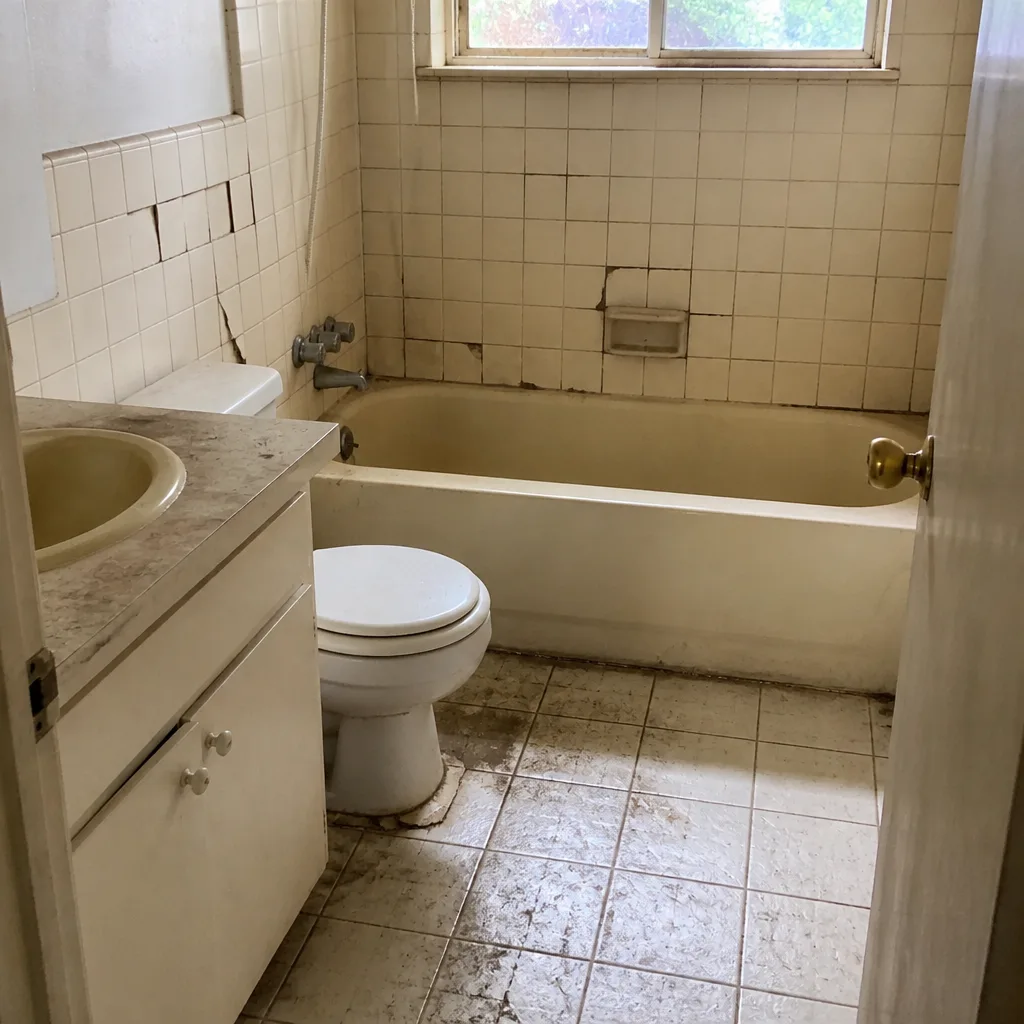 Before
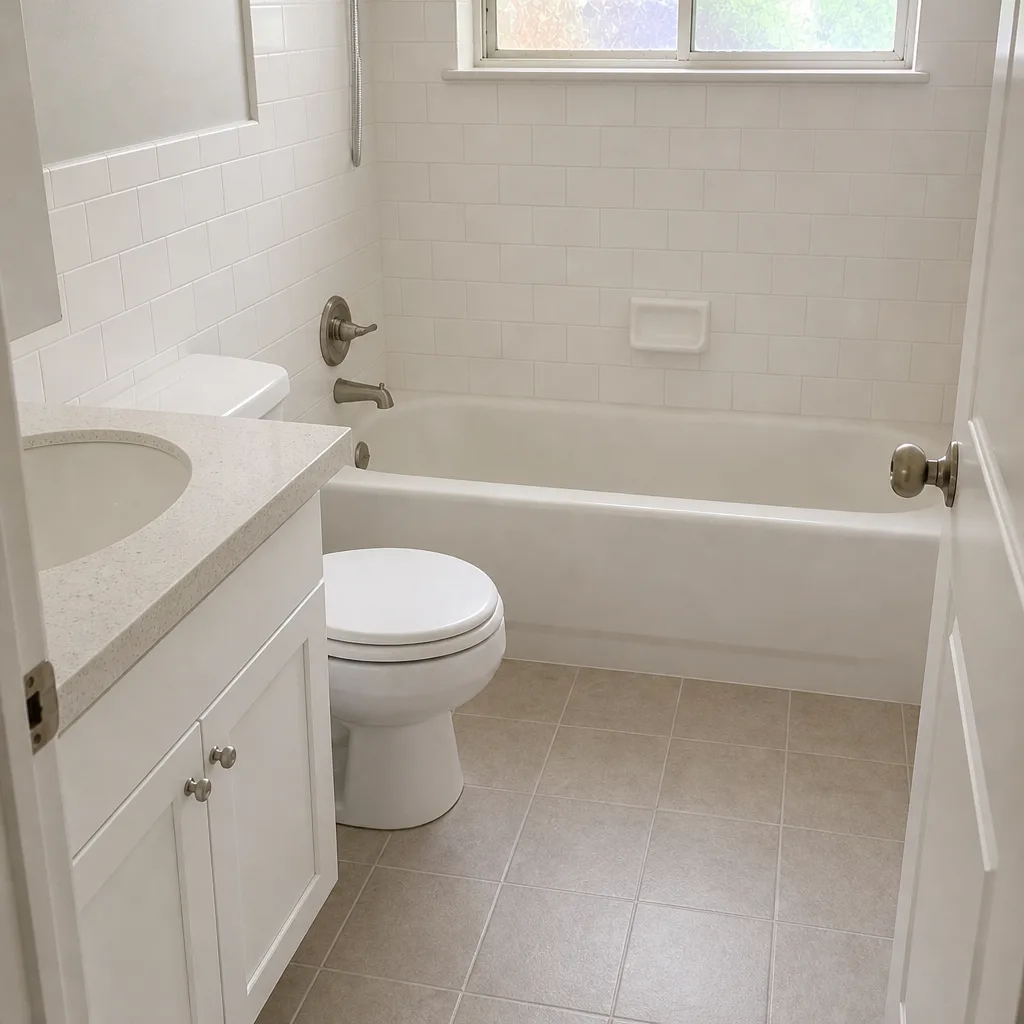 After
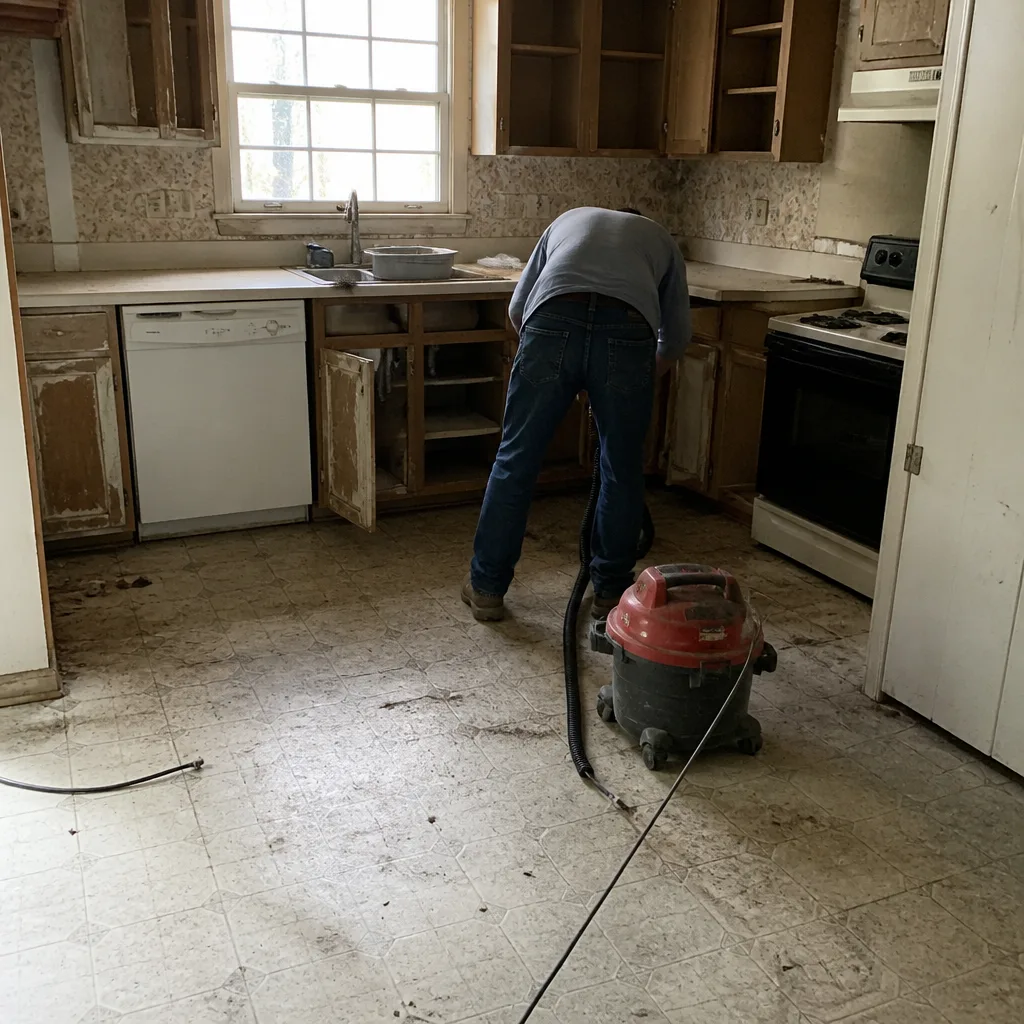 Before
 After
 Before
 After