
Last updated November 17, 2026






Free written scope consultation - allowances, timeline, and change-order rules on paper before a single trade is scheduled
Seasonal Construction Care for Richardson: Year-Round Homeowner’s Guide
Ask most homeowners when their house takes the worst beating and they’ll point at August. In our experience across Richardson, the damage that actually costs money shows up in February. Freeze-thaw cycling on clay-heavy soil after a winter rain event moves foundations and fence posts more than July heat ever does, and the cracks it opens don’t close when the weather warms. The good news is that this pattern is predictable, and a calendar built around it beats a panic call every time. This guide walks you through a month-by-month care schedule tied to Richardson’s real weather rhythms, covering concrete, roofing, wood fences, drainage, windows, and the soil underneath all of it.
Quick Answer
Seasonal construction care in Richardson follows three pressure windows: rapid thermal expansion as summer heat builds from May into August, freeze-thaw movement in December through February, and storm-driven moisture during spring hail and wind events. The highest-return actions are inspecting concrete joints and caulk lines before summer, checking fence post stability before winter, and documenting roof and exterior conditions immediately after any hail or wind storm so you know what’s damaged before you file a claim. Most of this work is inspection and minor repair, not rebuilding.
Styles & brands we work with
- Kitchen remodeling
- Bathroom remodeling
- Home additions & ADU
- Roofing
- Windows & doors
- Driveway & pavers
- Fence
Table of Contents
- Why Richardson’s Clay Soil Drives the Whole Calendar
- The Month-by-Month Care Calendar
- The Pre-Summer Checklist: Before Thermal Expansion Peaks
- Winter Prep for DFW Freeze Events
- Post-Storm Inspection Protocol
- Wet Years vs. Drought Years: How to Respond Differently
- Windows, Doors, and Envelope Sealing Through the Seasons
- Common Mistakes to Avoid
- When to Call a Professional
Why Richardson’s Clay Soil Drives the Whole Calendar
Most seasonal maintenance advice assumes your soil behaves like a sponge. Richardson’s expansive clay doesn’t. When it soaks up water during a wet spring, it swells. When it dries through an August without rain, it shrinks, and the ground under your slab, driveway, and fence posts shifts with it. That movement is the root cause behind the majority of cracking, heaving, and settling we’re called out to look at in Richardson, and it explains why a house can look perfectly fine after a wet spring and show a fresh hairline crack by September.
Here’s the pattern to internalize. A dry summer shrinks the clay and lets structures settle downward. A wet fall re-saturates it and the ground swells back. A hard freeze in January pushes that saturated clay outward and upward, which is why fence posts heave and slab edges crack in February far more often than in July. Your maintenance calendar should move with that cycle, not with the conventional “spring cleaning, fall closing” rhythm most national guides carry.
What this means in practice for a Richardson homeowner:
- Watch water first. Where rain pools against the foundation or across a driveway determines how much the clay moves. Grading is a bigger lever than almost any repair.
- Time your inspections to the transitions. The week before the first sustained heat and the week before the first hard freeze catch trouble while it’s cheap.
- Expect seasonal cracks. A hairline slab crack that appears in a dry August and doesn’t widen isn’t automatically a structural problem. A crack that widens with each wet-dry swing is worth documenting against a reference photo.
- Fence lines move with the ground. Posts set in clay take more seasonal cycling than posts in sandy or rocky ground, and they loosen over time in a way your eye won’t catch until a panel starts to lean.
This is where Construction Richardson fits into the picture: we work on the building systems that interact with this soil all year, from the slab edge to the roof to the fence line, so a single inspection can flag the things that move together.
The Month-by-Month Care Calendar
Every guide tells you to “do spring maintenance.” This one ties each task to Richardson’s actual weather. Treat this as a general rhythm to adapt to your home and the year, not a rigid schedule, since a warm January or a wet August rearranges things.
- January: After any sub-freezing stretch, walk the yard and check fence posts for heave, and look at concrete joints and driveway edges for new separation. Photograph anything new.
- February: This is the assessment month for your highest-risk systems. Check the caulk and seals around exterior doors and windows, look for movement at the slab edge, and note any new interior drywall cracks at corners and door frames. February is Richardson’s most damaging month for residential systems, and most of it is discovered, not caused, here.
- March: Clear winter debris from gutters and downspouts, and confirm water flows away from the foundation. Check drainage swales and any low spots near the driveway.
- April: Pre-storm-season roof and exterior review. Inspect eave and ridge lines, look for loose or lifted shingles, confirm fascia and soffit are tight, and clear the roof of tree litter. Richardson’s storm belt means April through June is when hail and wind hit hardest.
- May: Run your pre-summer checklist before the heat locks in. Inspect concrete joints for cracking, check fence post depth by testing for wobble, and review roof fasteners and flashing at penetrations.
- June: Prime month for post-storm documentation. Photograph the exterior, roof, and any finished surfaces after each significant hail or wind event, whether or not you see obvious damage.
- July: Check window and door seals for heat-driven cracking, and look at caulk lines around exterior frames that see full afternoon sun.
- August: Keep an eye on foundation-adjacent soil. In a hot, dry spell, the clay shrinks, and if you see movement in slab cracks or door frames start to stick, note the timing.
- September: Late-summer storm review and a full exterior walkthrough. Check drainage again as temperatures start to ease.
- October: Pre-winter preparation. Clean gutters, seal any cracks in concrete or exterior wood, and tighten or re-seat anything that loosened over the hot months.
- November: Drainage check and a fence-line inspection ahead of the first freeze. Confirm soil is not piled against fence posts or foundation edges.
- December: Final freeze-ready checks. Look at wood fences for loosened pickets and posts, and confirm any exterior seals before the first hard freeze.
The short version: April through June is roof and storm, July through September is heat and drainage, October through December is freeze prep, and January through March is assessment and repair while the pressure is lower.
The Pre-Summer Checklist: Before Thermal Expansion Peaks
The weeks just before sustained summer heat are the highest-leverage inspection window of the year in Richardson. Everything installed outside contracts and expands as temperatures climb, and small failures caught now cost far less than the same failures found in September after two months of stress. Spend an afternoon on this checklist.
Concrete Joint Inspection
Walk every joint, edge, and control line on your driveway, walkways, and patio. What you’re looking for is separation and any shift in height between adjacent slabs, which signals the clay underneath has already moved. A clean, even joint is fine. A joint with gaps, crumbling edges, or an offset you can trip on is worth flagging for a pro.
Fence Post Depth and Stability Check
Push against each post along the run. A post that wobbles or flexes at the ground line has lost its grip in the soil, and summer heat following wet spring clay will finish it off. Note any leaning sections and check that soil isn’t piled so high against the base that moisture can’t drain. If more than a couple of posts are loose, the whole run is usually due for a reset rather than a one-off patch.
Roofing Fastener and Flashing Review
From the ground, check the ridge line, eaves, and any point where the roof meets a wall, chimney, or vent stack. Look for lifted or curled shingles and gaps around flashing. Hot months make movement at these transition points more likely, and small gaps let water in during the next rain. We work with GAF, CertainTeed, and Owens Corning roofing systems, which lets us match a repair to the material already on your roof instead of guessing.
Exterior Seal and Caulk Check
Trace the caulk line around every exterior window and door frame. Cracks that let heat and moisture in now will let water in during fall storms. Resealing is an inexpensive fix, and the timing matters because summer heat makes the sealant cure faster and hold better.
Getting this inspection done before the heat peak also gives you a realistic scope. If a roof or a fence is headed for replacement, knowing that in May means you can book it on your schedule rather than an emergency one.
Winter Prep for DFW Freeze Events
Richardson winters are mild enough that it’s easy to skip winter prep entirely, and that’s the mistake. It’s not the sustained cold that matters here, it’s the short, sharp freeze. A 48-hour sub-freezing window followed by a quick warm-up is what pushes saturated clay against foundations and drives fence posts upward. Extended cold does different damage. Your prep should account for both.
Vulnerable Systems in a 48-Hour Freeze
- Fence posts in wet soil. If the ground is saturated before a freeze, the expanding water pushes posts up. Check stability and confirm soil isn’t holding water against the base.
- Concrete edges and joints. Water in joints that freezes overnight widens gaps, and short freeze-thaw cycles repeat the damage with each cold snap.
- Exterior caulk and door seals. Cold makes sealant brittle, and a freeze can open gaps at exterior door frames that let cold air and moisture in afterward.
- Downspouts and drainage paths. Water that can’t drain away before a freeze pools, then freezes against the foundation or the driveway edge.
What’s Vulnerable in Extended Cold
A longer cold stretch brings more sustained stress on exterior wood and concrete, since the freeze penetrates deeper and the clay stays rigid longer. Doors can stick as frames move, and interior drywall cracks at corners may appear if the foundation edges shift. The mitigation is the same: clear drainage before the freeze, keep soil from piling against structures, and inspect after the thaw rather than during.
Winter prep is mostly about removing water from where it shouldn’t sit, and that single action reduces the damage from both short freezes and longer ones.
Post-Storm Inspection Protocol
Richardson sits in a storm belt that delivers hail and high winds from spring into early summer. What most homeowners miss is the sequence after a storm: documentation first, then a careful look, then the decision about whether this is an insurance matter or a straight repair. Here’s the order that saves the most headaches.
- Document before you touch anything. Photograph and, where appropriate, video every side of the roof, the exterior walls, windows, doors, fence, and driveway. Take wide shots and close-ups. Timestamp them. This record protects you regardless of what happens next.
- Do the safe walk-around. From the ground, check for dented or lifted shingles, cracked window or door glass, loosened fence panels, marks on concrete, and anything that looks like it was struck. Never climb onto the roof, especially after a storm when surfaces are wet and fasteners may be loose.
- Separate cosmetic from functional. Scuffs and minor granule loss on shingles are cosmetic. Lifted, missing, or broken shingles and compromised flashing are functional and need attention before the next rain. A marked or chipped concrete edge is cosmetic; a shifted slab is functional.
- Decide the path. If you suspect damage beyond cosmetic, call your insurer first and open a claim. A contractor’s inspection should happen in parallel, and the documentation you gathered makes that conversation far smoother.
- Get a written scope before signing anything. Post-storm is the worst time to accept verbal promises. Insist on a written scope with materials named and line items matched to the damage.
Timing matters here in a way it doesn’t for most maintenance. Damage that sits unaddressed through a wet spring can turn a roofing repair into interior water damage, and separating your own repairs from an insurance claim is much harder once the timeline blurs.
Wet Years vs. Drought Years: How to Respond Differently
The single most useful thing you can know about the coming season is whether it looks wet or dry, because Richardson’s clay behaves in opposite directions and the correct response differs. This is where generic advice fails most often.
Wet Years
Extra rain swells the clay, and swelling pushes outward against foundations, slab edges, and fence posts. A wet year produces more heaving damage and more fence movement than a dry one. The priorities shift toward managing water away from the structure. Check grading and confirm the slope directs rain toward the street or a drain, not toward the foundation. Clear gutters and confirm downspouts discharge well away from the house. Keep an eye on fence posts because soil saturated for weeks gives them less grip, and the first hard freeze after a wet fall is when you’ll see posts lift.
Drought Years
Dry clay shrinks and pulls away, and structures settle downward. A drought year produces more fine slab cracks, sticking doors, and drywall corner cracks, most of which are minor in isolation. The key is tracking whether cracks keep widening across the season. Photograph them with a reference object so you can compare later. If a door starts sticking and the slab shows new cracks, the soil is moving enough to warrant a professional look. Resist the urge to constantly water the foundation; consistent, moderate soil moisture is better than a flood-and-drought cycle at the edge.
The through-line is water. In a wet year you’re moving water away; in a dry year you’re avoiding extremes and watching for accumulating movement. Neither requires elaborate equipment, just attention and timing.
Windows, Doors, and the Building Envelope Through the Seasons
Windows and doors are where Richardson’s heat, cold, and storm-driven moisture meet your home’s envelope. They’re also the easiest thing to ignore because a failing seal rarely announces itself. Seasonal attention here pays off in comfort, energy use, and preventing water intrusion.
In spring and early summer, before the heat peaks, check seals around every exterior frame. Caulk cracks and failed weatherstripping let in hot air and, more importantly, let in water during storms. In the fall, do the same check in reverse, looking for cold-air infiltration and gaps that a freeze will open. Doors that stick in summer or winter are responding to frame movement, and it’s worth noting when they started sticking because the season tells you something about what’s moving.
If a window or door is due for replacement, material choice matters more than most homeowners realize. We source impact-rated and performance-tested lines including PGT, CGI, ECO Window Systems, and Therma-Tru, which covers both code-driven requirements and straightforward energy-efficiency upgrades. The right specification depends on the orientation of the wall, the sun exposure, and the existing structure, and we match the product to the project rather than forcing one line across the whole house. When a window fails seasonally, the fix is often resealing and re-setting, not full replacement, and an inspection tells you which.
Common Mistakes to Avoid
- Treating February like a quiet month. It isn’t. Freeze-thaw cycling after winter rain is when the most expensive movement happens in Richardson. Skipping inspection in February means discovering the damage in spring, after it’s had months to progress.
- Climbing on the roof after a storm. Wet, unstable, hail-damaged surfaces are dangerous, and a fall costs far more than a professional inspection. Document from the ground and let a professional go up.
- Filing an insurance claim before you have documentation. The sequence matters. Photograph and record the damage first, then open a claim, then get a contractor’s written scope to match against it. Reversing the order makes a fair claim harder to resolve.
- Watering a dry foundation aggressively to “fix” clay shrinkage. Flooding the soil creates the opposite swing and can cause more movement than a steady dry spell. Consistency beats volume.
- Ignoring a leaning fence panel because the post “looks” fine. Post movement in clay starts below the surface where you can’t see it. A wobble test catches it while a single post reset is still an inexpensive fix.
- Resealing concrete cracks without finding the water source. Patching a crack without addressing the drainage that keeps feeding it guarantees a repeat. Fix the water path first.
- Matching replacement materials to price instead of spec. A lower-grade roof or window saves money up front and costs more across the seasons in Richardson’s climate. Specify by name and match to the existing structure, not down to a price.
When to Call a Professional
Most of this guide is inspection and minor repair you can do yourself. A handful of situations call for a professional. Call when a slab crack keeps widening across a season, when a fence run has more than one or two loose posts, when a roof shows lifted or missing shingles after a storm, or when a door or window frame shifts and seals keep failing. Those point to a structural or system-level issue where a proper scope beats a guess. We’ve seen the same seasonal pressure points on Richardson homes year after year, and it’s usually more cost-effective to get a full inspection once than to patch a symptom twice. Construction Richardson offers free estimates in Richardson. Call (844) 320-6637. We answer 24/7. Fast dispatch from 7am to 7pm, Sunday through Friday.
See the difference
 Before
 After
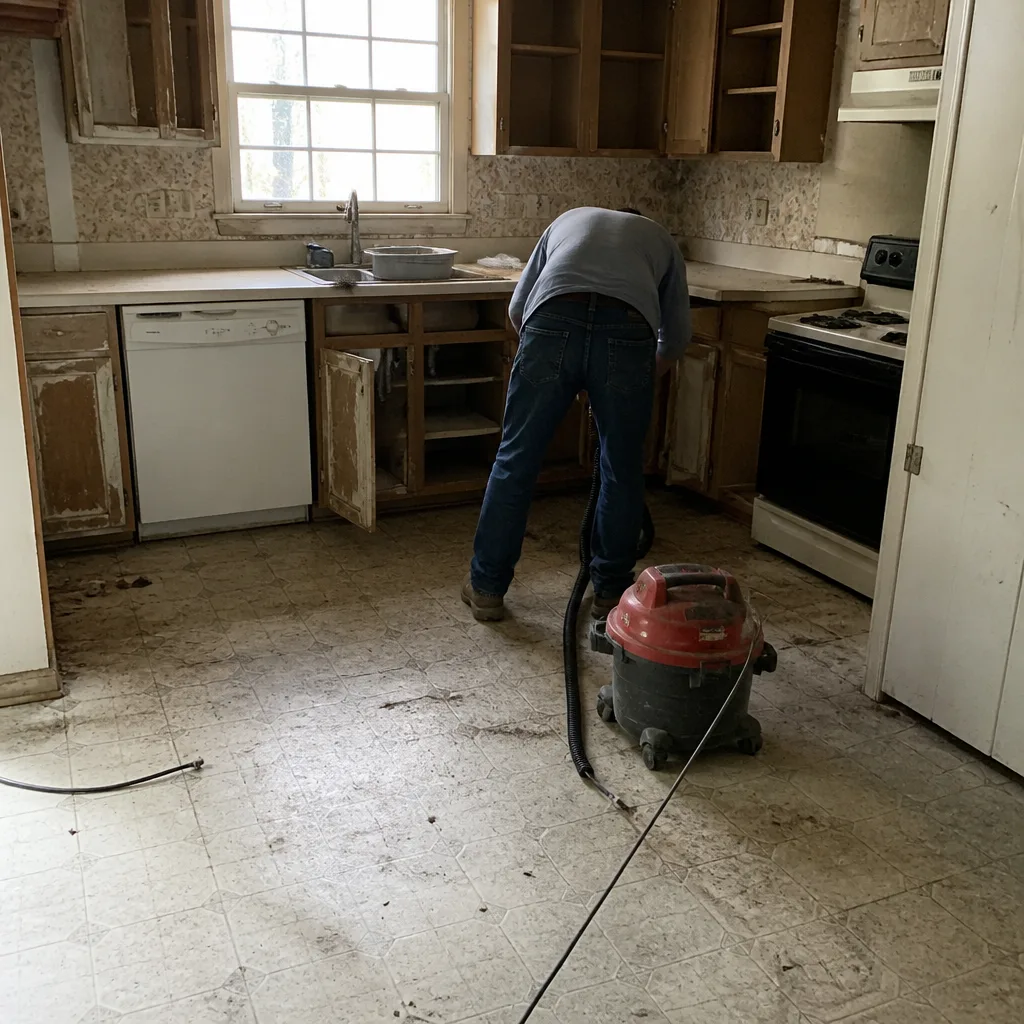 Before
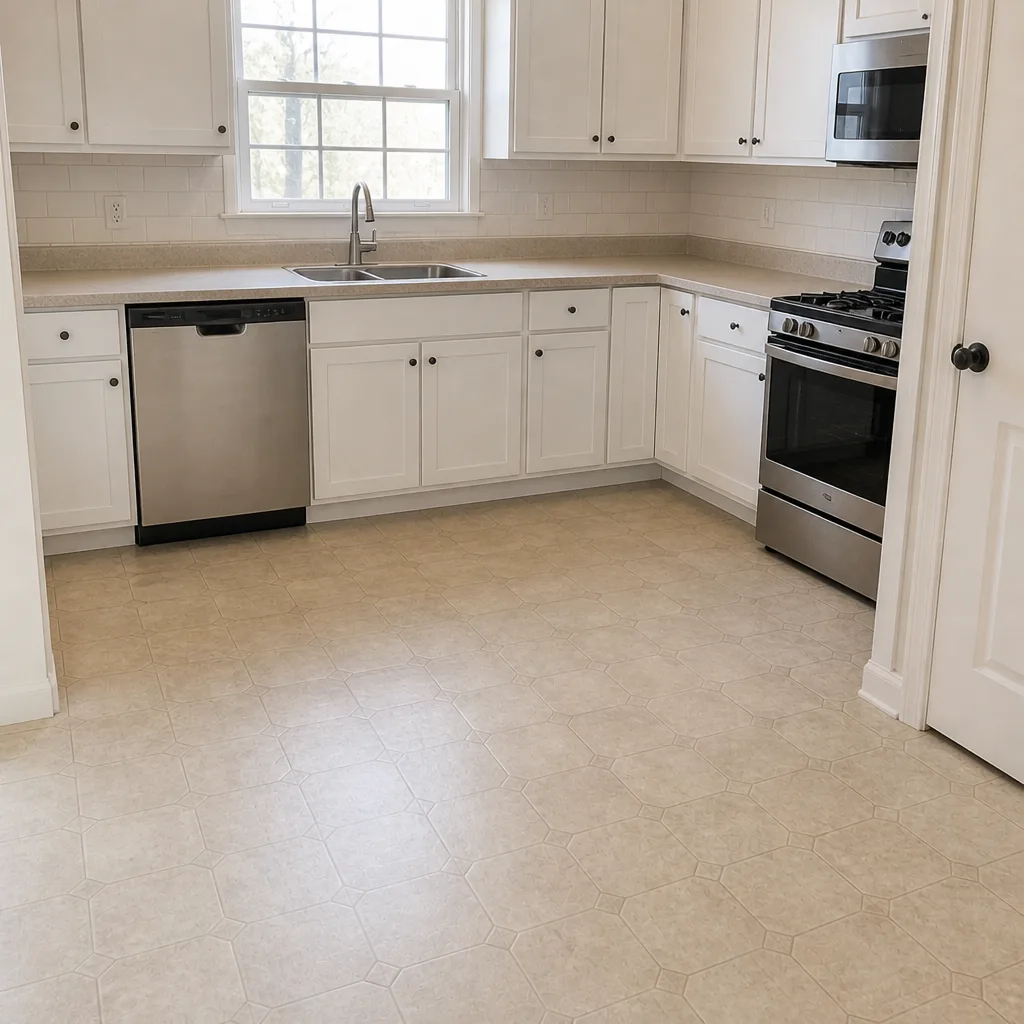 After
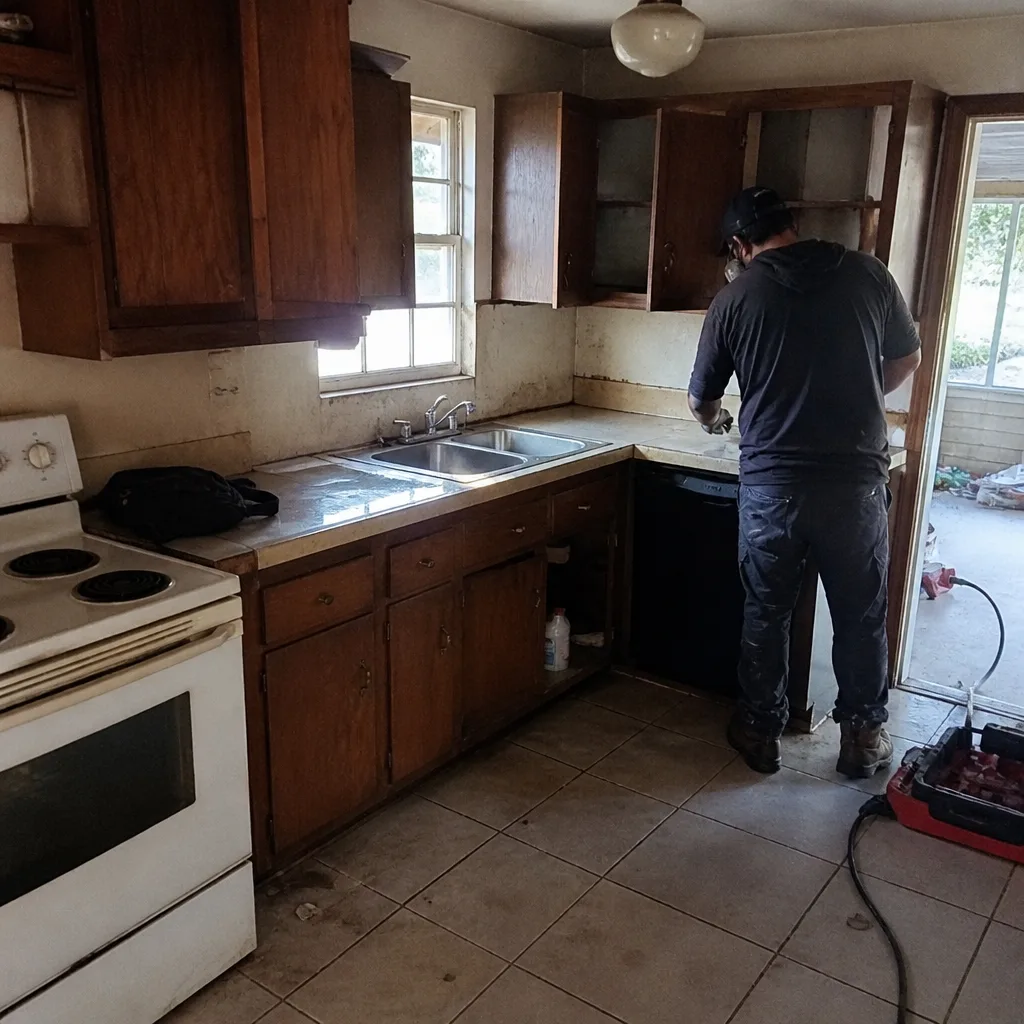 Before
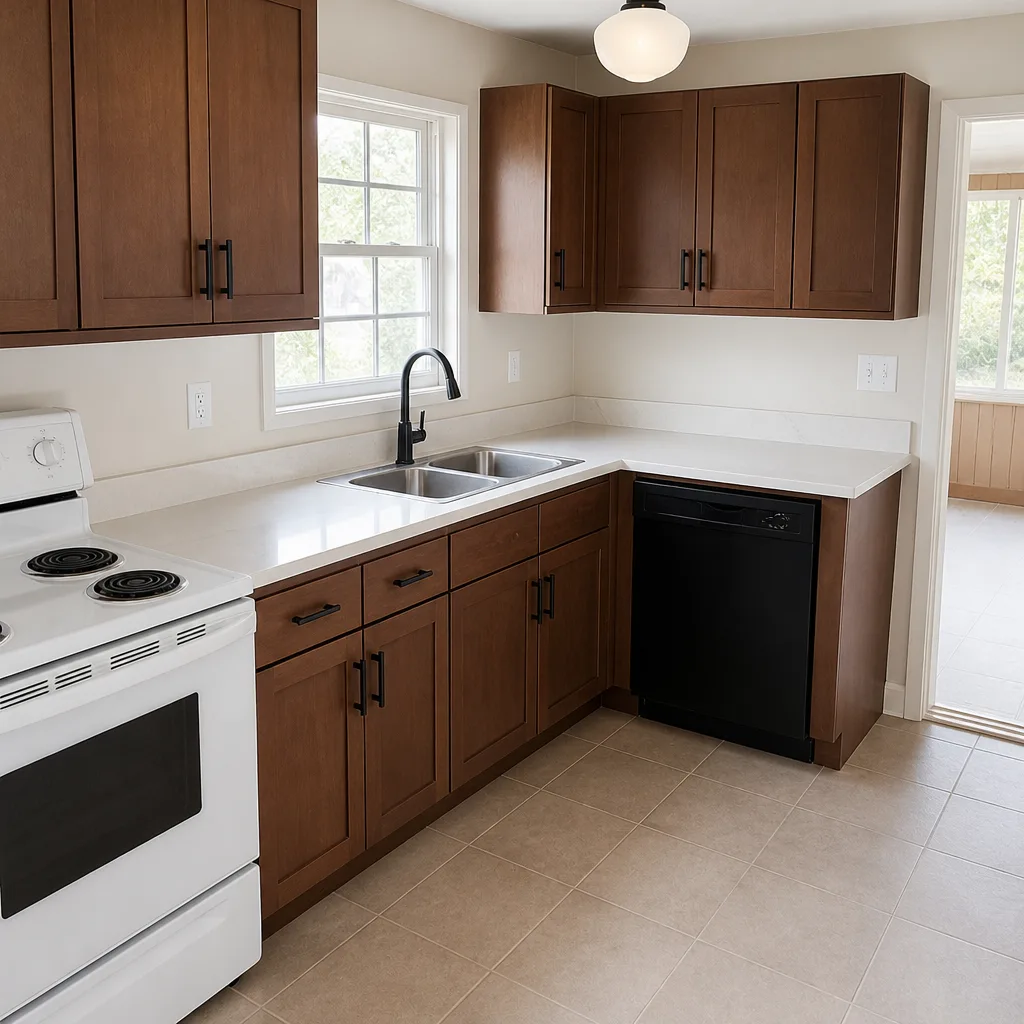 After
Frequently Asked Questions

February is statistically Richardson’s most damaging month for residential construction systems, driven by freeze-thaw cycling on clay-saturated soil after winter rain. Foundation movement, concrete joint failure, and fence post heave all peak in this window rather than in the heat of summer. The key is inspecting after each freeze and documenting any movement before spring.
Inspect your driveway and fence twice a year at minimum: once in late spring before thermal expansion peaks, and once in late fall before the first hard freeze. In a wet year, add an inspection after any extended rain stretch, and after any significant storm. Call (844) 320-6637 for a professional look if you notice movement or a crack that keeps widening.
Yes. Richardson’s expansive clay swells when wet and shrinks when dry, and that movement pushes against foundations and slab edges and pulls them downward across the seasons. It’s the leading cause of the cracks, sticking doors, and edge movement we see in the area. Consistent drainage and a seasonal inspection schedule are the most reliable controls.
Document before you touch anything. Photograph every exterior surface from the ground, timestamp the images, and note what you see. Then do a safe ground-level walk-around and decide whether to open an insurance claim or proceed with repairs. Never climb onto the roof yourself after a storm.
A pre-summer replacement often beats waiting, because it lets you book on your own schedule and get the work done before the thermal stress of peak heat. If a roof or window is at end of life, getting an exact quote in spring gives you time to plan. Call (844) 320-6637 to schedule a free estimate with a written scope.
Yes. Work that requires a permit is permitted and inspected, and we handle the paperwork as part of the job. If you’re unsure whether your project needs one, ask your city’s building department or ask us during the estimate. Call (844) 320-6637 for a free estimate.
The Bottom Line
Richardson’s construction care calendar doesn’t follow the national rhythm. It follows clay soil, summer thermal expansion, and winter freeze events. The highest-return habit is simple: inspect before the pressure peaks in May and before the first freeze in winter, and document every storm. Catching a wobbling fence post, a widening slab joint, or a lifted shingle before it progresses saves real money compared to the emergency call. We handle the building systems that take this seasonal pressure – the roof, the concrete, the fence line, the windows, the additions – as one accountable contractor from permit to punch list. Call (844) 320-6637 for a free estimate. We answer 24/7. Fast dispatch from 7am to 7pm, Sunday through Friday.
When your seasonal plan turns into an actual project, our driveway & pavers and fence installation work is specified by brand and built for the soil conditions here, and our home additions & ADU projects – including prefab options from manufacturers like Dvele and Boxabl – are planned around the same climate realities, so the structure and the site work together.
Written by the team at Construction Richardson.