Last updated November 17, 2026
Free written scope consultation - allowances, timeline, and change-order rules on paper before a single trade is scheduled
Choosing the Right Construction Brand: A Buyer’s Guide for Richardson
Two brands can sell what looks like the same product and perform nothing alike once the material is nailed to a Richardson house. That’s the part nobody puts on the label. Richardson sits in a pocket of North Texas where clay-reactive soil, high UV exposure, and a thermal range that swings from around 20°F to 105°F keep working on a material long after it’s installed. A product that earns strong ratings in wet, cool climates can fall early here. This guide breaks down how to read brands by Richardson performance – not by marketing specs – so you specify by name, not by guesswork.
Quick Answer
The right construction brand in Richardson is the one whose product is engineered for high UV, wide thermal cycling, and clay-reactive soil, and whose warranty actually covers those conditions. That usually means a manufacturer-backed, contractor-grade line rather than the retail version at the big-box store. Brand choice here is a technical decision, not a style decision.
Styles & brands we work with
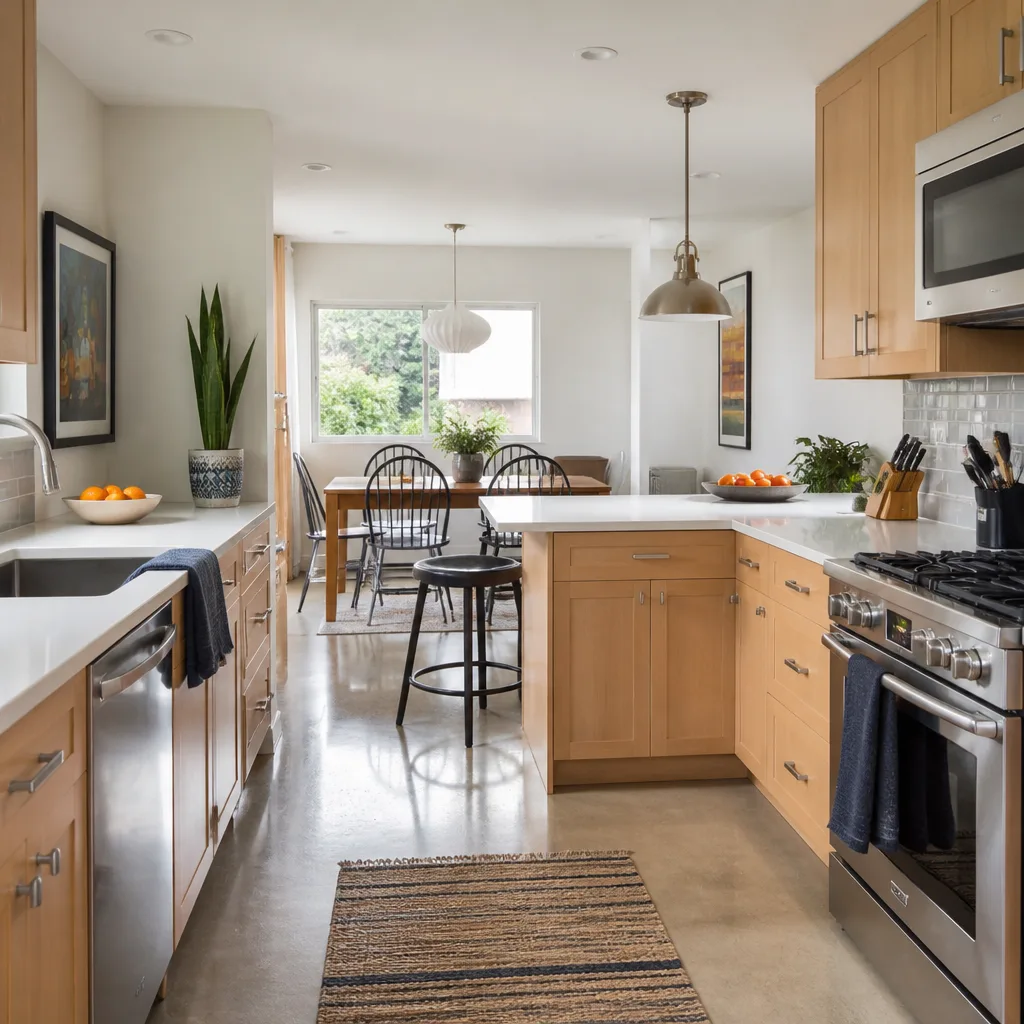
- Kitchen remodeling
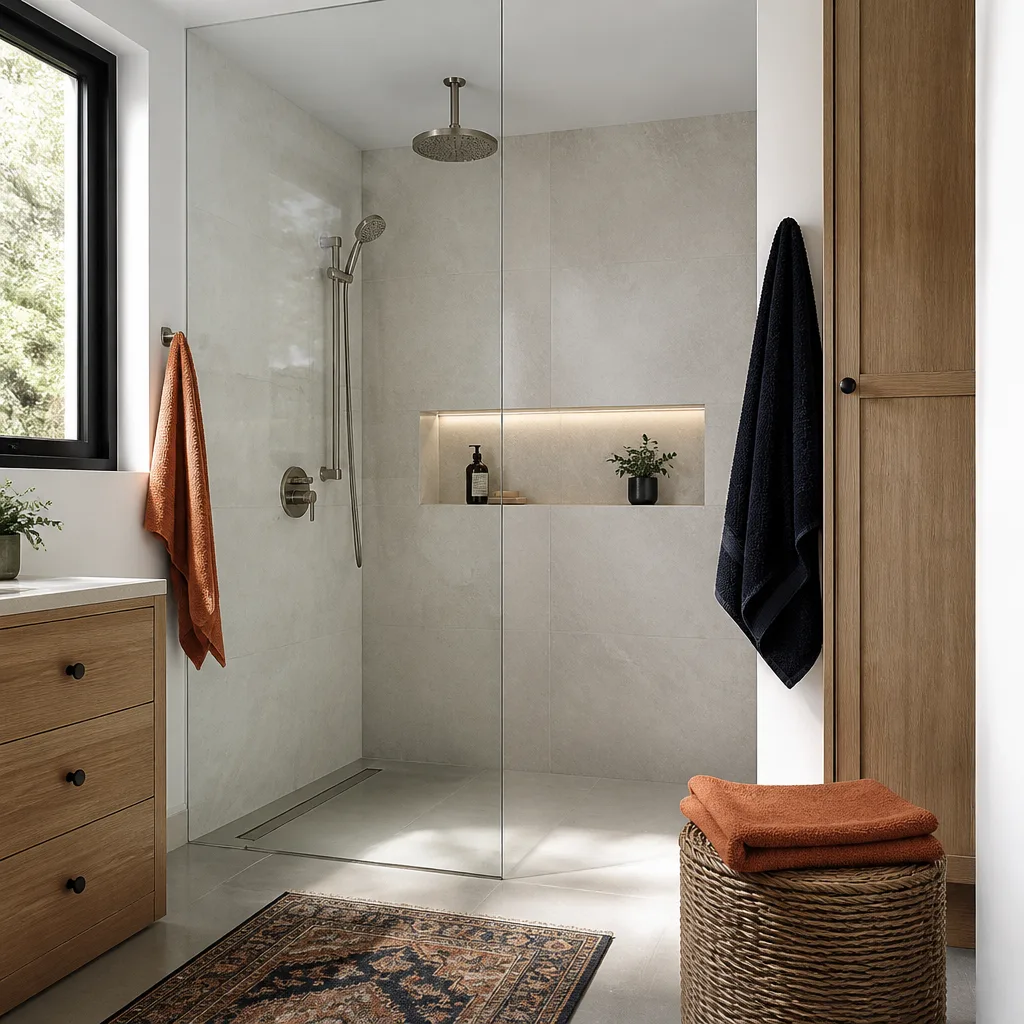
- Bathroom remodeling
- Home additions & ADU
- Roofing
- Windows & doors
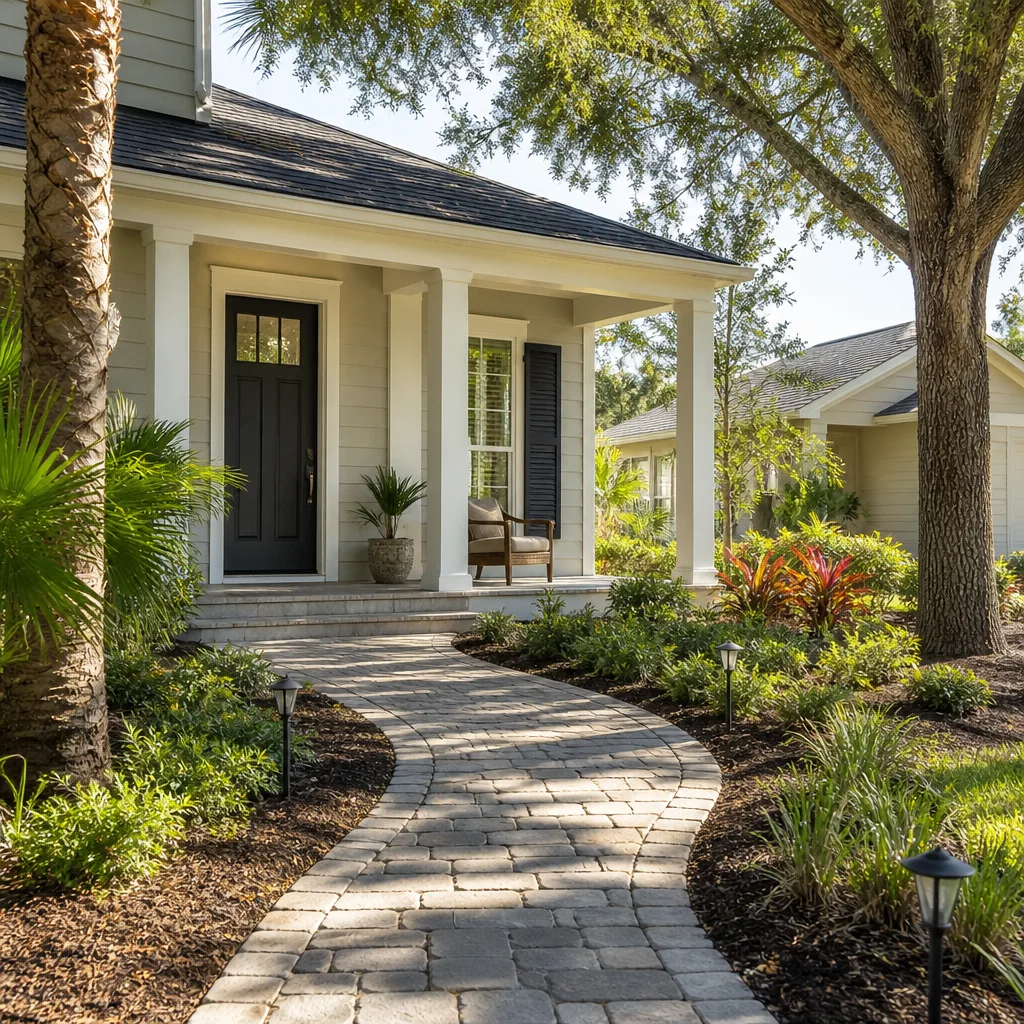
- Driveway & pavers
- Fence
Table of Contents
- Why Brand Choice Is a Technical Decision in Richardson
- The Richardson Performance Criteria: What Your Material Actually Faces
- Category-by-Category Brand Evaluation for DFW Conditions
- How to Read Product Warranties for Climate Exclusions
- Contractor-Grade vs. Homeowner-Retail: The Same Name, Different Product
- Which Premium Brands Earn Their Cost Premium in Richardson
- How to Verify the Brand and Grade Actually Installed
- Common Mistakes to Avoid
- Frequently Asked Questions
Why Brand Choice Is a Technical Decision in Richardson
In most of the country, brand selection is a conversation about color, texture, and budget. In Richardson, it’s a conversation about survival. Three forces attack every exterior material on a North Texas property, and they compound on each other. You’ll notice the difference not in the first year, but in the seventh or eighth, when one material is still holding its color and another is chalking, cupping, or fading.
UV exposure. Sun here is relentless and unclouded for long stretches. Ultraviolet light breaks down polymer chains in plastics, resins, and coatings. A product tested primarily in a northern climate may pass its own tests and still chalk early here because the UV dose it receives annually is higher.
Thermal cycling. A Richardson roof or driveway can sit near 105°F in August and drop toward 20°F in a February cold snap. Every one of those swings expands and contracts the material. Products that win on thermal range are those built with the movement in mind: proper attachment, expansion gaps, and formulations that tolerate cold flexing without cracking.
Clay-reactive soil. The expansive clays common across North Texas move with moisture. That movement loads foundations, driveways, patios, and fence posts in ways a stable or sandy soil never will. Pavers, footings, and post-setting matter here in a way they don’t two states north.
The practical takeaway: when you compare two brands in the same category, ask what each one was tested against. A brand that documents high-UV and wide-thermal testing demonstrates it understands conditions like ours. A brand that only cites the broad product category isn’t telling you much. Our technicians have up to 12 years of experience matching materials to exactly these conditions, and the pattern is consistent – the specification decides the outcome, not the installation skill alone.
The Richardson Performance Criteria: What Your Material Actually Faces
Before you read a single warranty or compare two lines, know what you’re testing the material against. These are the performance criteria that matter most in Richardson, and they apply across categories even when the specific product changes.
- UV stability. Does the manufacturer document protection against color fade and surface breakdown under sustained high sun? Look for a stated UV rating or an accelerated weathering test in the spec sheet, not just the word “fade-resistant.”
- Thermal range. Can the product handle the swing between a hard North Texas freeze and a long, hot summer without cracking, warping, or loosening? Rigid materials – pavers, siding, roofing – need this most.
- Moisture and humidity. Summers here are humid enough to stress products that trap water. Materials that drain, vent, or dry out last longer than ones that hold moisture against the structure.
- Soil movement. For anything set in the ground – footings, driveways, patios, fence posts – the base prep and the material’s tolerance for movement decide longevity more than the surface finish.
- Hail and wind. Roofing, siding, and windows face impact and wind uplift. The manufacturer’s tested ratings matter here; the color doesn’t.
Every one of those criteria can be confirmed before you buy. The manufacturer publishes the test data, and the warranty tells you whether they stand behind it under real conditions. When you evaluate brands against this list, the premium products separate from the budget ones fast – and not always where you’d expect.
Category-by-Category Brand Evaluation for DFW Conditions
Here’s how to apply the criteria in each major category. This is where brand selection earns its name. We match the material to the project, which means the right manufacturer for a Richardson roof isn’t the same as the right one for a Richardson driveway.
Roofing
Roofing has to survive UV, hail, and thermal movement all at once, and the shingle or roofing system is only as good as its warranty and installation method. We work with GAF, CertainTeed, and Owens Corning – three of the most widely warranted roofing manufacturers in North America. When comparing them, ask about impact resistance ratings, wind uplift ratings, and whether the warranty is a manufacturer system warranty (covering the whole roof, including underlayment and ventilation) or a limited product warranty. In Richardson, where hail is a real annual risk, the system warranty and the impact rating matter more than the shingle color.
Windows and Doors
Window and door performance in this climate is largely about solar heat gain and wind resistance. Our window and door portfolio includes impact-rated lines (PGT, CGI) and premium entry systems (Therma-Tru), covering both code requirements and aesthetic upgrades. In Richardson, the window’s tested wind rating and impact rating are the numbers to compare. A window brand that publishes those ratings clearly is a different product from one that doesn’t.
Pavers and Driveways
This is where the clay-reactive soil comes into play. Hardscape installs in Richardson need a base prepared for movement and a paver rated for heavy loading. Our driveway & pavers work draws from Belgard, Techo-Bloc, Unilock, Tremron, and Cambridge Pavers. When comparing paver brands, ask about compressive strength, water absorption, and whether the manufacturer specifies a base system for expansive soils. The paver face pattern is the last thing to decide.
Fencing
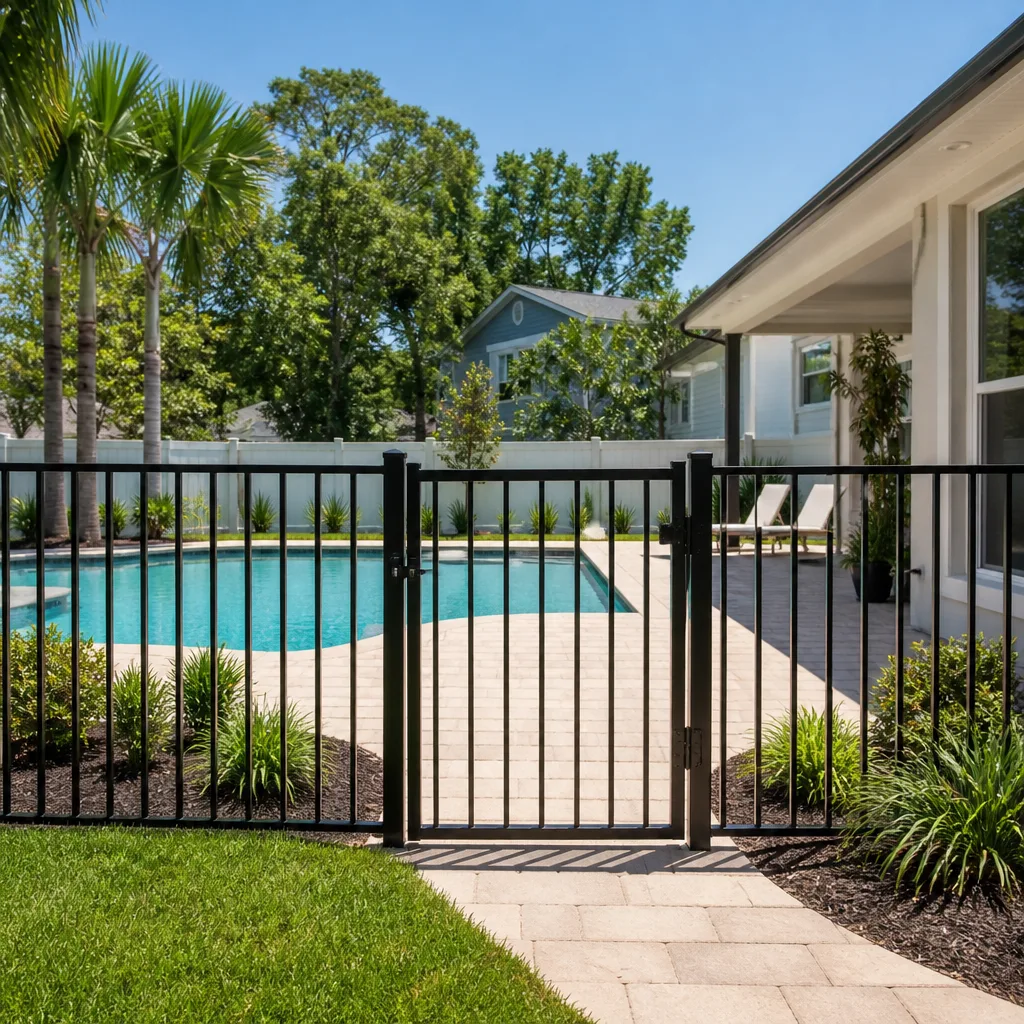
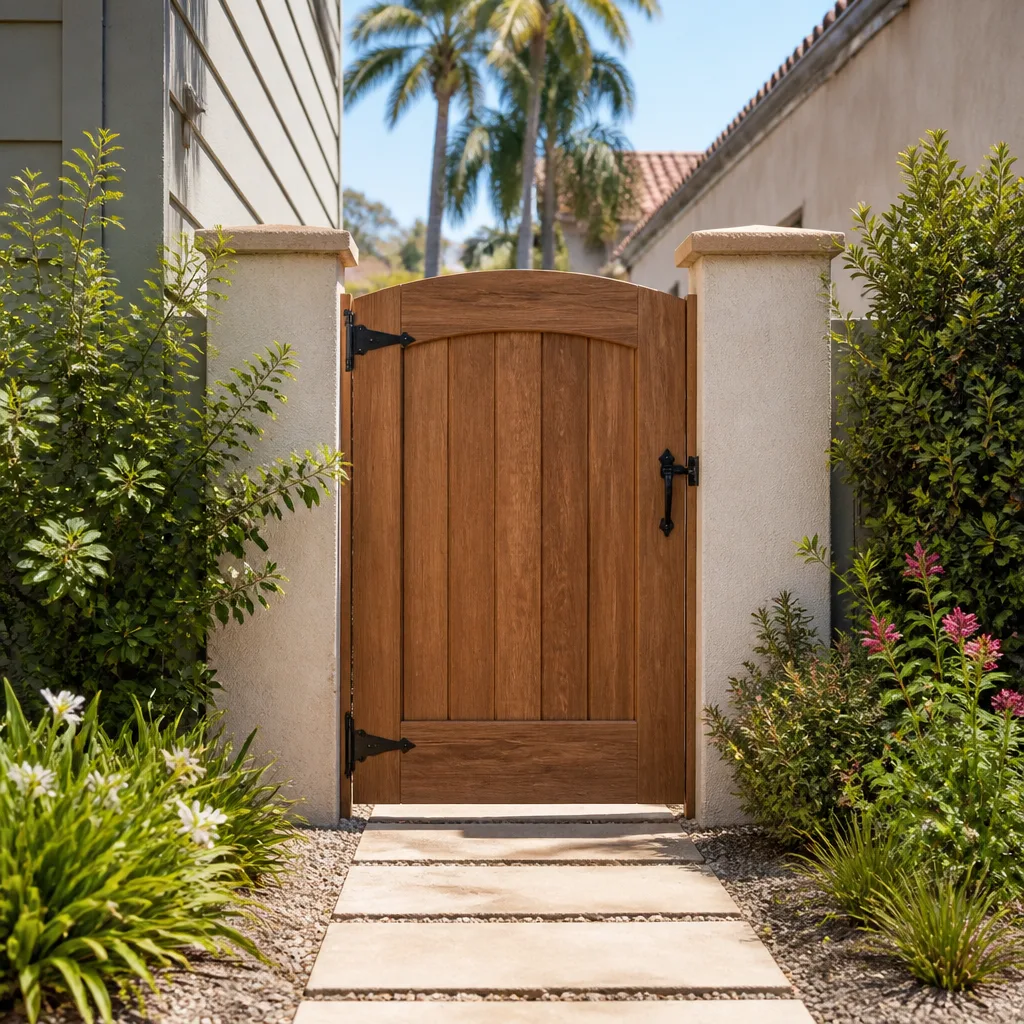
Fence installation in North Texas is often defeated by the soil rather than the fence. Our fence installation work is backed by the full spectrum of residential systems – aluminum (Jerith, Ameristar), vinyl (Bufftech, ActiveYards), and ornamental (Master Halco, Barrette). Rigid vinyl needs expansion accommodation for the thermal range; metal needs a proper post-setting method for clay. Ask how the manufacturer’s post system accounts for soil movement.
Kitchens and Baths
Interior materials face less UV but still face heat and humidity cycles. We work with cabinet lines KraftMaid and Wellborn, stone surfaces from Cambria, Silestone, and Caesarstone, and plumbing fixtures by Kohler, Grohe, Toto, and Moen. The brand question here is about finish durability and the warranty – cabinets that resist humidity better hold up, and stone lines that document stain resistance earn their price.
How to Read Product Warranties for Climate Exclusions
Homeowners read the coverage term (“30-year warranty”) and stop there. The exclusions are where the real story is. A warranty that excludes extreme climate performance can leave you uncovered exactly where Richardson is hardest on material. Read it in this order:
- Find the coverage term. Note whether it’s a prorated or non-prorated period. Prorated means your replacement coverage shrinks each year.
- Find the exclusions section. Look specifically for words like “extreme climate,” “sustained high temperatures,” “improper installation,” and “climate conditions outside design range.”
- Check who provides the labor warranty. A labor warranty from the manufacturer is very different from one that depends on the installer. Confirm both, in writing.
- Check for a system warranty. Roofing and window manufacturers often offer a broader warranty when their own system components (underlayment, ventilation, flashing) are used together. That matters in a hail market.
- Confirm transferability. A transferable warranty adds resale value; a non-transferable one doesn’t.
When you read exclusions, don’t accept a vague answer. Ask the contractor to point to the specific clause and explain how the product is protected against high UV and thermal range. If nobody can, the brand isn’t standing behind its product in this climate – and you should know that before you sign.
Contractor-Grade vs. Homeowner-Retail: The Same Name, Different Product
A brand can sell two lines under one name: a contractor-grade line and a retail line for the big-box store. They can look similar in the display and behave differently in the field. Contractor-grade products are typically specified with the full component system (attachment, underlayment, sealing) that the warranty depends on; retail versions often don’t. The protection you actually get depends on the specific grade installed.
Three reasons the grade matters in Richardson:
- The warranty may be tied to a specific line. If the manufacturer warrants a system, using the retail version of the same brand may not qualify.
- Retail lines may be thinner or shorter-life. A thinner siding panel or a lighter shingle profile can mean faster wear under our UV and thermal load.
- Component compatibility. The contractor-grade system is tested with its own trims, fasteners, and gaskets. Mixing retail components can void the protection.
When you get a bid, ask the contractor which specific grade and SKU they’re specifying, and whether the manufacturer’s warranty applies to that grade. A good answer comes with the model number on the quote. When we prepare a quote, we specify by name and model so you can check it against the manufacturer’s own documents.
Which Premium Brands Earn Their Cost Premium in Richardson
Premium brands cost more for a reason – but not every reason applies here. Here’s the honest breakdown by category, because the cost premium only pays off where the replacement cycle or maintenance burden actually improves.
- Roofing – premium earns it. A manufacturer-backed system with a strong impact and wind rating in a hail market reduces the odds of an early replacement. The premium buys protection, not just shingle count.
- Windows – premium earns it. Impact-rated lines (PGT, CGI) and performance-tested door systems pay back by surviving storms without replacement and by reducing solar heat gain.
- Hardscape – premium usually earns it. Belgard, Techo-Bloc, and Unilock are specified for a reason: consistent compressive strength and documented base systems matter on expansive clay. Mid-tier pavers can be fine on stable, light-duty areas; on a primary driveway, the specification still decides.
- Fencing – mixed. Aluminum and ornamental premium lines resist thermal movement well and are worth it long-term. For a simple privacy run, a mid-tier vinyl can perform comparably – but only with the right post-setting and expansion gaps.
- Cabinets and stone – value depends on finish durability. A premium cabinet line and a documented stone surface earn their price when the finish resists humidity and stain. Where it’s just cosmetics, mid-tier can perform comparably.
If you want the composite decking comparison as an example of where premium fails to cross-climate: a decking brand that wins on Pacific Northwest moisture performance can still chalk early here under our UV load. The premium only pays off if it was engineered for this sun. Ask for the UV test documentation. Our team at Construction Richardson handles the specification across all these categories, so the compare-and-choose step stays technical.
How to Verify the Brand and Grade Actually Installed
You can specify a brand perfectly and still receive something else on the driveway. Verification is the step that closes the loop, and it takes about fifteen minutes on the install day.
- Check the delivery packaging. The brand name, grade, and model or SKU should be printed on the packaging or the delivery ticket. Compare it to your specification sheet line by line.
- Photograph the labeled packaging. Keep the photos with the contract and warranty documents. That’s your evidence if you need a manufacturer warranty claim later.
- Confirm the component system. For roofing and windows, verify that the underlayment, flashing, and trims match the manufacturer’s system specification, not just the visible product.
- Ask for the contractor’s material list. A written material list before installation lets you confirm the specified grade in advance.
- Retain the warranty documents. Manufacturer warranties often require registration and the original specification to be valid.
If a delivery arrives without proper labeling, that’s your prompt question, not a reason to let it slide. Any reputable contractor will confirm the grade on the spot. When the specified material is delivered labeled and photographed, everything downstream is protected.
Common Mistakes to Avoid
- Comparing brands by marketing spec sheet only. A spec sheet can look great on its own. Compare two products against the actual Richardson criteria – UV, thermal range, soil movement – not against the brochure’s adjectives.
- Reading only the warranty term and skipping the exclusions. A 30-year warranty can exclude the exact conditions you’re building for. Read the exclusions before you sign.
- Assuming the big-box version is the same product. The retail version of a known brand is often a different grade with a different warranty. Ask for the specific line and model.
- Letting a contractor’s choice go unspecified. If the bid doesn’t name the brand, grade, and model, you’ve bought a category, not a product.
- Skipping the delivery-label check. Without a photo of the labeled packaging, there’s no record if a warranty claim is needed later.
- Choosing a high-UV material with a northern-climate warranty. A brand tested for a moisture climate can fail early here. Confirm UV and thermal documentation.
- Treating soil preparation as separate from brand. In Richardson, the best paver or fence on a poorly prepared base underperforms a mid-tier one on the right base. The base is part of the specification.
When to Call a Professional
Brand evaluation is doable on your own; verification across a roof, a driveway, a fence, and a window line is another matter. Call a professional when the project crosses more than one category, when the warranty needs to be confirmed for a specific climate, or when the soil movement has already affected a driveway or fence line. These are the situations where a specification conversation with an experienced contractor saves you a re-do. Our technicians have up to 12 years of experience across all seven categories, and we handle the brand-by-brand comparison against the actual Richardson conditions. Construction Richardson offers free estimates in Richardson – the estimate is free and the price is set per job by the written estimate. Call (844) 320-6637. We answer 24/7. Fast dispatch from 7am to 7pm, Sunday through Friday.
Frequently Asked Questions
There’s no single best brand – there are best-matched brands for each category and each project. In roofing, GAF, CertainTeed, and Owens Corning are widely warranted and tested for hail and wind. In windows and doors, impact-rated PGT and CGI plus Therma-Tru entry systems cover both code and aesthetic needs. In pavers, Belgard, Techo-Bloc, Unilock, Tremron, and Cambridge are specified for heavy-load durability. The right choice is the one that documents its UV, thermal, and soil-movement performance for Richardson’s conditions.
Ask the manufacturer for UV weathering test data and the warranty’s climate exclusions. A product that performs well in a cool, wet climate can still chalk or fade early under Richardson’s high UV and 20°F to 105°F thermal range. The warranty should name those conditions and offer a real solution, not just a stain-resistance claim. If it doesn’t, the product isn’t specified for this climate – and that’s your answer.
Manufacturers typically produce a contractor-grade line and a separate retail line. The contractor line often carries the full component system the warranty depends on; the retail version may use thinner components or a shortened warranty. The safest path is to request the specific grade and model on the written quote, then compare it to packaging when it’s delivered.
Premium pays off in categories where the replacement cycle or maintenance burden actually improves. On a hail-prone Richardson roof, the impact and wind ratings that premium manufacturers bring are worth the extra because they reduce the odds of an early replacement. Impact-rated windows and doors earn their premium by surviving storms and cutting solar heat gain. Premium cabinets and stone pay off when the finish resists humidity and stains. In fencing, mid-tier can perform well for a privacy run if the post-setting and expansion gaps are right.
Yes, when the project touches multiple materials. Construction Richardson handles seven categories – roofing, remodeling, additions and ADUs, windows and doors, fencing, pavers, and driveways – from permit to punch list. One contractor removes the coordination overhead of hiring separate trades, and it keeps the brand evaluation consistent across the whole project.
Check the delivery packaging against your specification sheet before installation begins. Brand name, grade, and model should be printed on the packaging or the delivery ticket. Photograph the labeled packaging and keep the photos with your contract and warranty documents. For roofing and windows, confirm the underlayment, flashing, and trims match the manufacturer’s system specification too – not just the visible product.
Yes. Our home additions & ADU work spans traditional site-built construction and prefab or modular options, including manufacturers such as Abodu, Cover, Dvele, and Boxabl. That means you can match the addition to your property and the brand system to the structure, and keep the material selection consistent across the site.
The Bottom Line
Choosing the right construction brand in Richardson comes down to four steps: match the material to the local performance criteria (UV, thermal range, clay-reactive soil), read the warranty exclusions before you sign, confirm you’re getting contractor-grade rather than retail-grade, and verify the labeled product on delivery. Premium brands earn their cost where the replacement cycle or maintenance burden actually improves – roofing, windows, and heavy-load hardscape are the clearest cases. Get the brand, grade, and model named on the written estimate, and everything downstream stays protected. Construction Richardson can carry that evaluation across all seven categories with one accountable contractor from permit to punch list.
Ready to compare brands on paper before you commit? Call (844) 320-6637 for a free estimate. We answer 24/7. Fast dispatch from 7am to 7pm, Sunday through Friday.
Written by the team at Construction Richardson.
See the difference
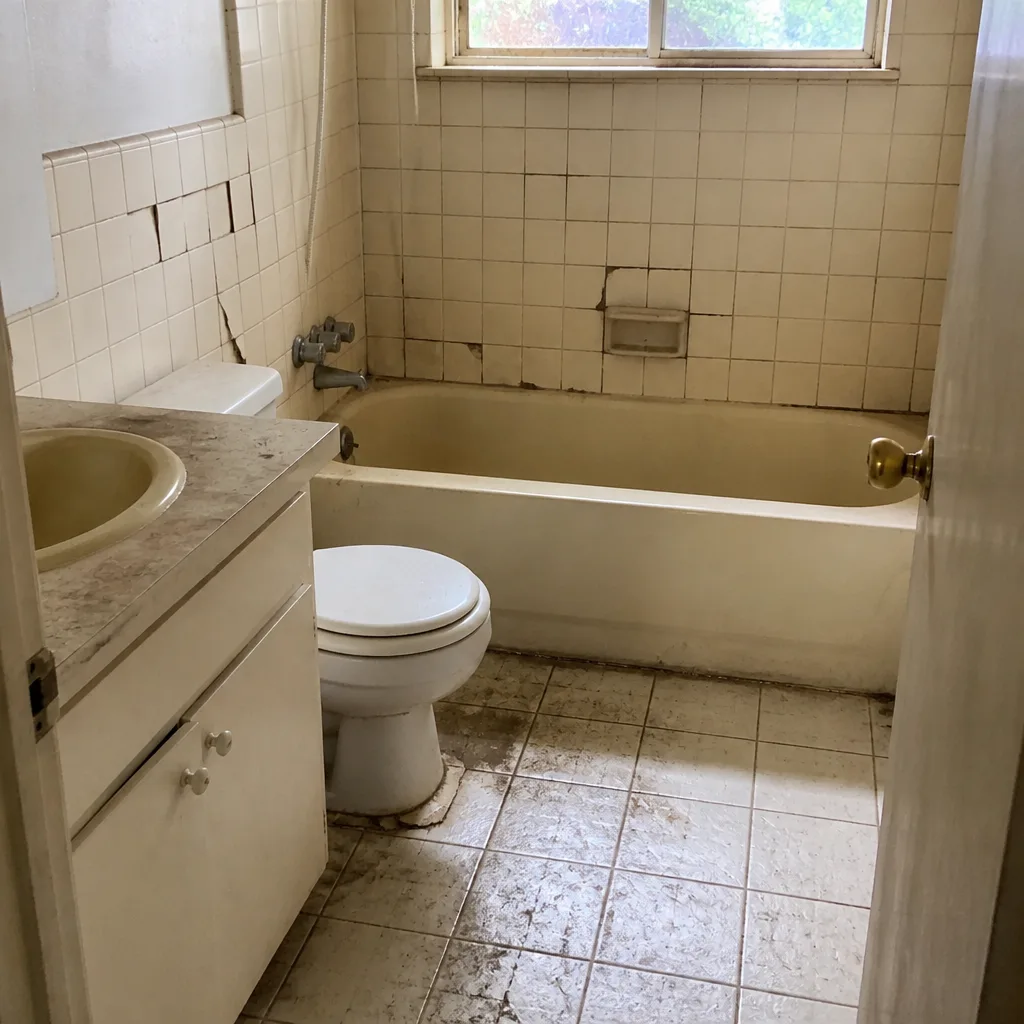 Before
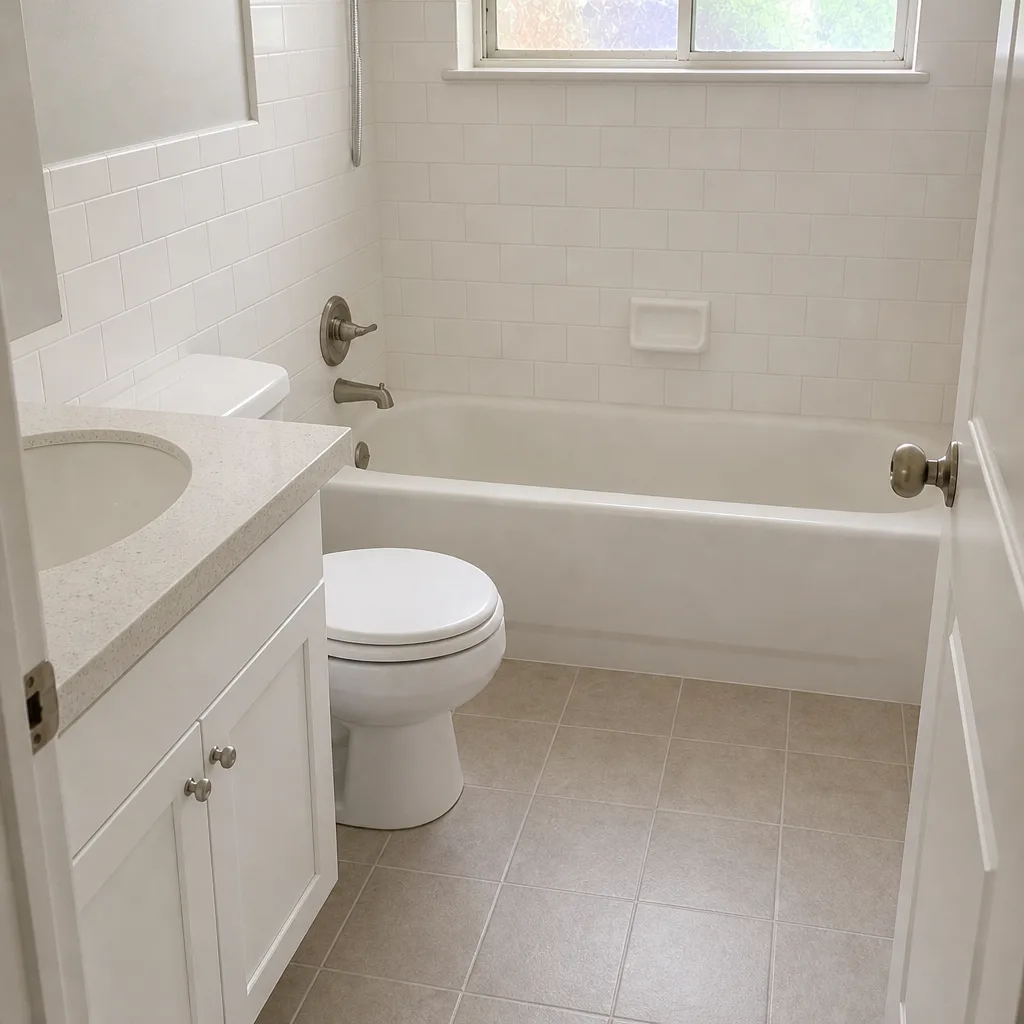 After
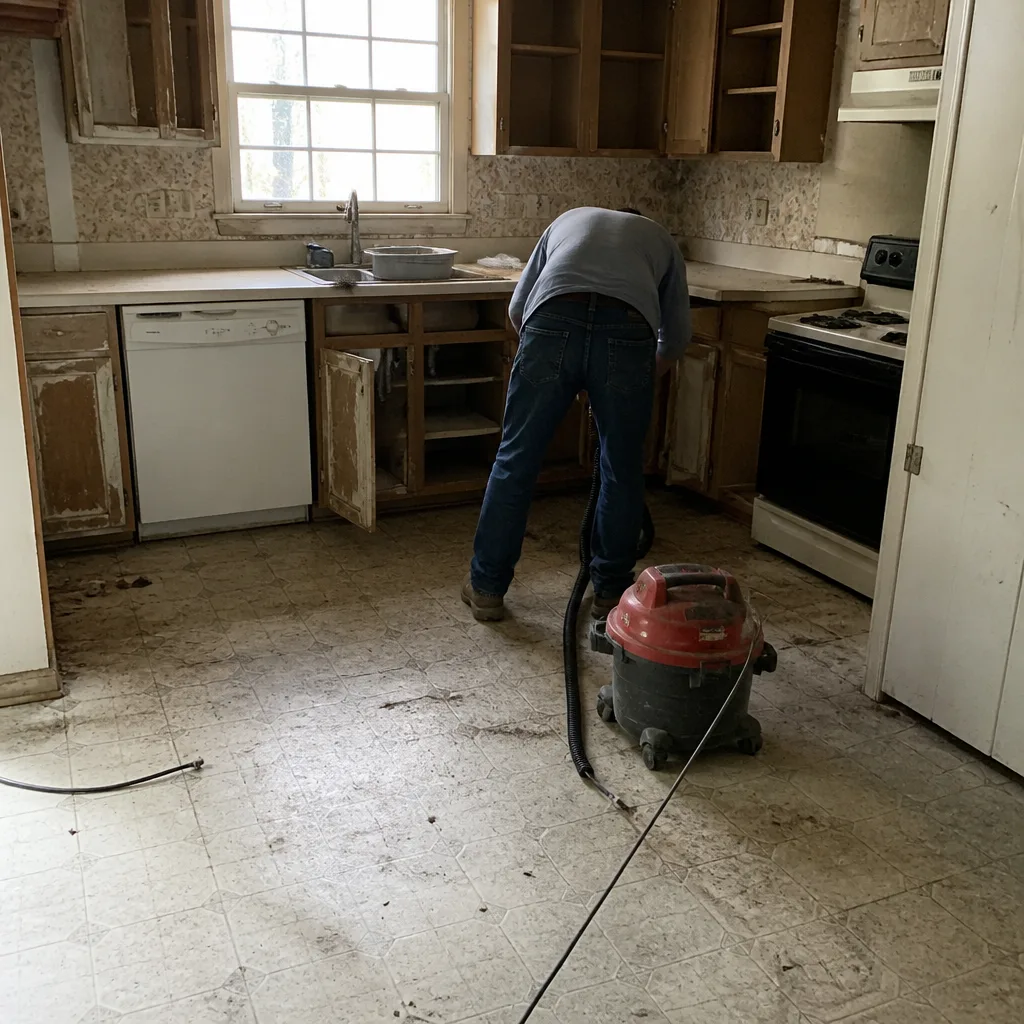 Before
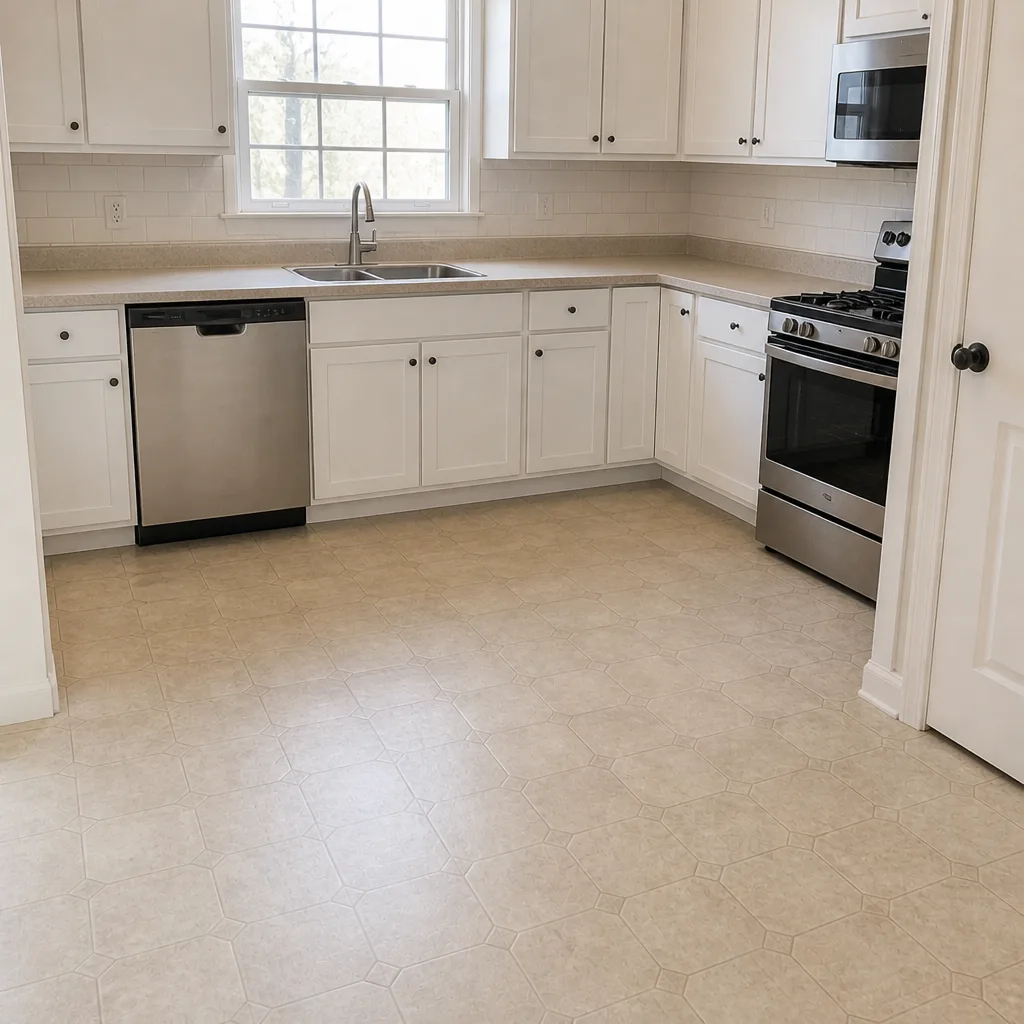 After
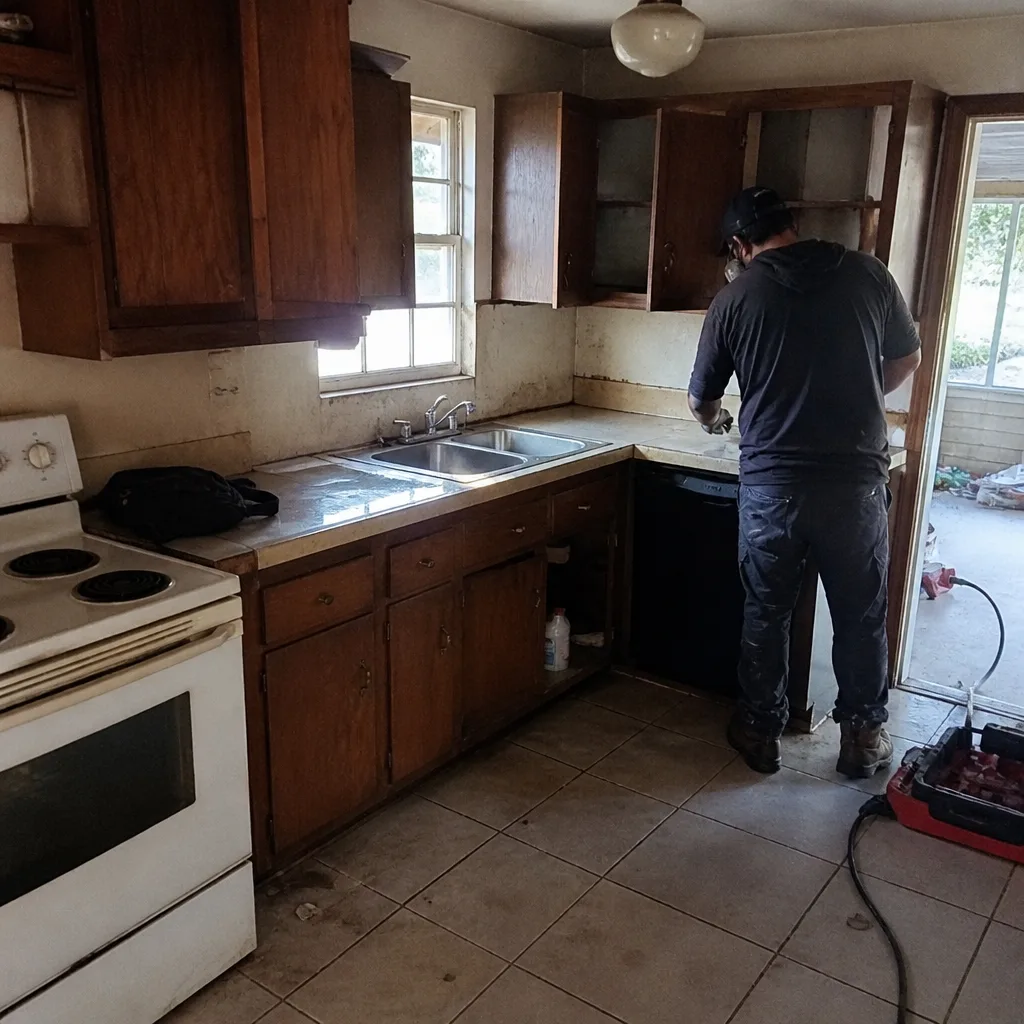 Before
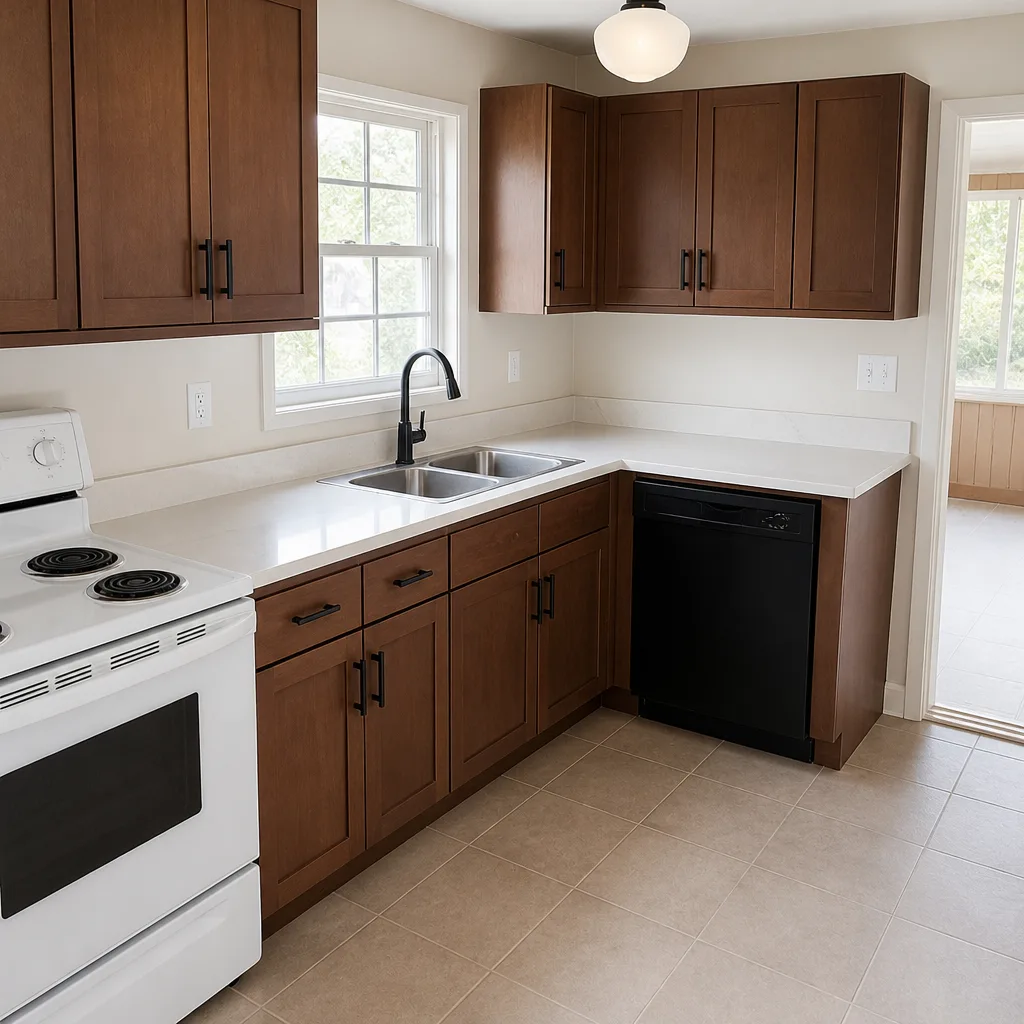 After