
Last updated November 17, 2026







Free written scope consultation - allowances, timeline, and change-order rules on paper before a single trade is scheduled
Construction Warning Signs: A Richardson Homeowner’s Reference Guide
A stair-step crack running through brick veneer isn’t a masonry problem. It’s a foundation movement indicator, and the homeowner who fills it with caulk and forgets it has just hidden the one gauge that shows how much the slab is actually shifting. This guide teaches you to read your home the way a contractor does: as a system, by cause. The visible symptom is rarely the failure. Cracks, slopes, stains, pools of water and leaning fence lines are all telling you where a load path, a drainage plane or a footing has stopped doing its job. By the end you’ll know which signs to document and watch, which ones earn a contractor call within a month, and which ones shouldn’t wait the week. This reference is written for Richardson homes and the North Texas conditions that shape them.
Quick Answer
Construction warning signs on a Richardson home fall into three groups: cosmetic movement you monitor with dated photos, structural movement that warrants a contractor call within 30 days, and safety issues like a leaning retaining wall or a sagging roofline that need immediate attention. The single most useful habit you can build is recording each sign with a photo, a date and a straightedge so you can measure change over time instead of guessing. Most small symptoms get expensive only when the underlying cause, usually water or foundation movement, is left running for a season or two.
Styles & brands we work with
- Kitchen remodeling
- Bathroom remodeling
- Home additions & ADU
- Roofing
- Windows & doors
- Driveway & pavers
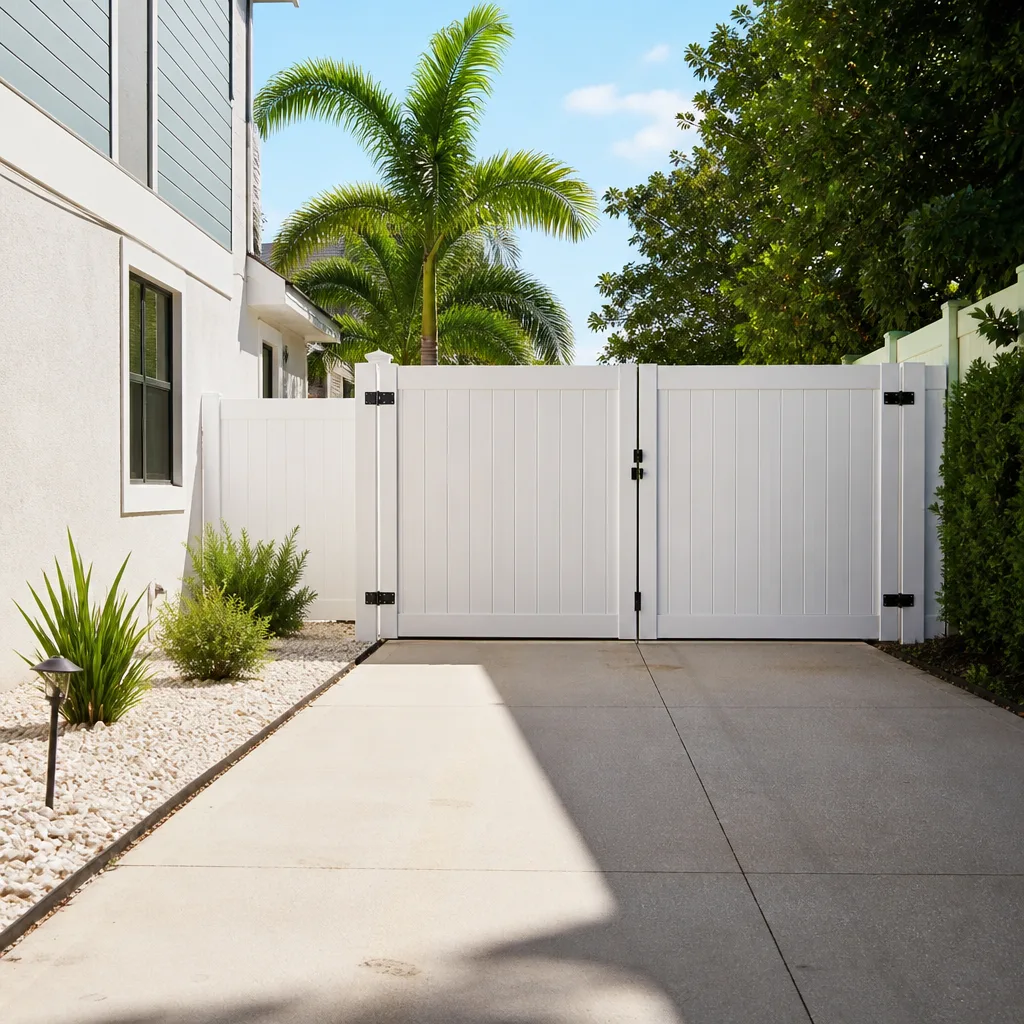
- Fence
Table of Contents
- Reading the Five Surfaces of the Home
- Slab and Brick Veneer Cracks: Structural or Cosmetic?
- Drainage on Richardson Lots: Where Water Should Pool
- Fence and Retaining Wall Lean: Post, Soil or Footing?
- Roof Warning Signs You Can’t See From the Ground
- The Triage Matrix: Monitor, Call in 30 Days, or Call Now
- Common Mistakes to Avoid
- When to Call a Professional
Reading the Five Surfaces of the Home
Every warning sign shows up on one of five surfaces, and knowing which surface is telling the story narrows the cause fast. In our experience, homeowners tend to fix the face they see before understanding the system behind it. Here’s how we read each surface on a Richardson home.
- Slab: Poured concrete foundation. Hairline cracking is normal. Displacement, wide gaps and differential heights mean the soil beneath is moving.
- Brick veneer: A brick wall sitting against framing. Vertical cracks are usually shrinkage. Stair-stepping cracks that follow the mortar joints track movement.
- Drywall: Drywall is the most forgiving surface in the house. Hairline corner cracks are cosmetic. Cracks that widen, or that return after patching, are tracking something structural.
- Concrete driveway: Expansion joints are designed to open and close. A slab that has lifted or settled against its neighbor is a subgrade problem.
- Wood framing: Visible from the attic and crawlspaces. Bow, sag and separation tell you more about load than any finish surface ever will.
Cracking that occurs in more than one of these surfaces in the same location is the classic sign that the energy is moving through the whole assembly, not just one material. When a drywall crack, a brick stair-step and a lifted driveway slab line up on the same side of the house, that’s a direction. We’ve seen that alignment more than once in Richardson, and it usually points back to water on that lot corner. Document each surface with a dated photo the first time you notice it. You’ll need the baseline when you call a contractor. If your home is planning a larger project, our team also handles fence installation and exterior work alongside interior scopes.
Slab and Brick Veneer Cracks: Structural or Cosmetic?
Quick answer: Vertical cracks under a sixteenth of an inch in brick veneer are usually shrinkage and rarely structural. Horizontal cracks, stair-step cracks, and displacement at the mortar joint are movement indicators. Homeowners who spend two minutes reading the crack geometry before patching save themselves the diagnostic cost of opening it back up. Richardson’s expansive clay soil, which swells with rain and shrinks in dry weather, is the driver behind most slab movement in the area.
Here’s how to read a crack in order, the same way we do during an inspection:
- Measure it. Width at the widest point. Record the date. Anything over an eighth-inch that is actively growing is worth a closer look.
- Note the direction. Vertical is normal. Horizontal in a brick wall is a warning. Stair-stepping in mortar joints is a warning.
- Check for displacement. Run a straightedge across the crack. If one side sits proud of the other, the assembly has moved out of plane, not just cracked.
- Compare with the inside face. Find the same location on the drywall or tile on the interior. If the crack shows up inside too, it’s going through the whole wall, not just the finish.
- Photograph and measure monthly. A crack that’s stable for two months is a maintenance item. One that’s grown between photos is a call.
On Richardson slab foundations, differential settlement is the ordinary case, not the exception. What separates a cosmetic crack from a structural one is whether it’s stable and whether it’s accompanied by signs elsewhere in the system: doors that stick only in certain seasons, a floor that’s out of level, gaping at the baseboard. Those are the tells. Our team coordinates foundation-adjacent scopes with structural and cosmetic work under home additions & ADU projects and remodels, because a room addition or a re-poured driveway can change how water moves around the same site.
Cracking by surface, at a glance
- Hairline vertical, drywall interior: cosmetic, monitor.
- Diagonal drywall at door or window corner: often shrinkage, monitor.
- Stair-step in brick mortar joints: structural movement indicator, measure.
- Horizontal brick crack: call within 30 days.
- Any crack with displacement: call and ask for an inspection.
Drainage on Richardson Lots: Where Water Should Pool
Quick answer: After a one-inch rain event, water should be off the property within a few hours and should pool nowhere closer than about ten feet from the foundation. Any standing water against the slab more than a day after rain has stopped is the single most predictive warning sign on a Richardson home. The clay soil here swells when it holds water and shrinks when it doesn’t, and the more it cycles, the harder it is on the slab sitting on it.
Water management on an inland North Texas lot comes down to three things: grade away from the house, the roof shedding water to the right place, and the ground accepting that water instead of holding it against the wall. When any of those three is wrong, you get the slow version of damage, which is why it’s easy to miss.
Watch for these drainage signs after a rain:
- Water still standing against the foundation the morning after a storm. Clay soil drains slowly, but it shouldn’t drain into the house.
- A visible bog line where grass stays greener along the slab. That’s water following the wall.
- Mulch beds that float away. Water is crossing the beds, not infiltrating them.
- Erosion rills in the yard pointing at the house. The grade has reversed.
- Downspouts that end within a couple feet of the wall. They should shed several feet out and downhill.
- Efflorescence, the white mineral bloom on brick, at the base of a wall. That usually means water is wicking up through the brick from saturated ground.
After a heavy rain, walk the property once. Note where the water goes, then look at the same spots a day later. That’s the entire diagnostic. If water is standing where it shouldn’t be, the fix usually starts with regrading, extending downspouts and repairing a gutter, not with foundation work. Getting the water right first is the cheapest thing you can do for the home. When the driveway is part of that puzzle, our driveway & pavers work often includes setting grade to shed water away from the slab.
Fence and Retaining Wall Lean: Post, Soil or Footing?
Quick answer: A fence post that leans in one direction after a wind event is usually a post problem. A whole run of fence leaning together, or a retaining wall leaning into the yard, is a soil or footing problem. The two get confused constantly, and that’s why people replace posts on a fence that needs footing work and never solve the lean.
Fence and wall movement falls into three categories. Here’s how to tell them apart:
- Post issue. One or two posts lean. The rails are straight between them. The post itself may have rotted at the soil line, or pulled out of the footing. Check the base of the post with a screwdriver: if it pushes in easily, the post is gone. This is a post replacement.
- Soil pressure issue. A run of fence leans in one direction, often on a slope or next to a tree. The soil on one side has become saturated, or roots are pushing against it. The fix involves correcting drainage or root pressure, not replacing the fence.
- Footing failure. The fence or retaining wall has leaned progressively over months. The footing itself is too shallow, undersized, or has cracked. You can sometimes tell by digging down at the base and finding the concrete footing cracked or lifted. This is a rebuild, not a repair.
Retaining walls are a safety concern, not just a cosmetic one. A wall holding back a grade is storing energy, and a wall that has moved significantly can collapse without warning. Treat a wall that has leaned more than a few inches, buckled, or developed a bow in its face as an immediate call. Do not stand below it to inspect. Small garden walls under knee-height are the exception, but anything holding back a load carries real risk. On our fence work, materials like vinyl from Bufftech or aluminum from Jerith still rely on the footing doing its job, so the material choice never solves a footing problem.
Roof Warning Signs You Can’t See From the Ground
Quick answer: The most useful roof warning signs are inside the house and in the attic, not on the shingles. Staining on ceiling drywall, daylight through the roof deck, curled or missing shingles at the ridge, and granules collecting in the gutters all tell a roof story without a ladder. A contractor inspection should include the attic, the flashing details and the ridge, not just a view from the driveway.
What a drive-by missed:
- Attic daylight. If you can see daylight through the roof deck at any point, there’s a gap in the flashing or the deck. That’s a full inspection.
- Staining rings on the attic side of the sheathing. Stains that have dried can still indicate a leak path that only opens during wind-driven rain. Measure and photograph them.
- Compression or soft spots in the deck. Press gently on the sheathing near a valley or the ridge. Any give is a call.
- Granule loss in gutters. A handful of granules is normal. A pile of them after a dry week means the shingles are aging.
- Flashing at walls, chimneys and skylights. This is where most leaks enter. A contractor will inspect it directly, not by driving past.
When you call for an inspection, ask for three things: attic access, the name of the shingle manufacturer and warranty on the existing system, and a written description of any damaged flashing. Brands matter here, and a roof built with GAF, CertainTeed or Owens Corning systems carries specific warranty terms that should travel with the report. Tamko and Boral are also common on Texas homes, and the warranty on any of them is only as good as the installation behind it. None of these is worth a phone call from the ground. Ask for the attic and a close inspection of the flashing.
The Triage Matrix: Monitor, Call in 30 Days, or Call Now
When you spot a warning sign, the question is always the same: watch it or call? Use the three tiers below to sort what you’re seeing.
Monitor and document (photo, date, straightedge)
- Hairline vertical cracks in drywall under an eighth-inch.
- Hairline vertical cracks in brick veneer mortar.
- Seasonal door or window sticking that resolves in the other season.
- One or two fence posts leaning after wind, rails straight.
- Localized driveway cracking along an expansion joint with no displacement.
- Minor popping of drywall tape at a corner.
Call within 30 days
- Stair-step cracks in brick veneer, or any crack that has visibly grown between photos.
- Doors that swing or stick where they didn’t a month ago.
- Water pooling against the foundation after a rain.
- Ceiling stains that have returned after a previous repair.
- Fence run leaning together, or a knee-height garden wall with a bow.
- A handful or more of granules in the gutters after a dry week.
Call now
- Any horizontal crack in brick or block wall.
- Retaining wall leaning, bowing or buckling. Move away from its face and call.
- Room addition or roofline visibly sagging.
- Daylight through the roof deck in the attic.
- Active water entry during a storm, or ceiling collapse risk.
- A slab crack with displacement that’s caught a toe.
The 30-day tier is where most of the value of this guide lives. These are the signs that are not emergencies but are on the way to becoming expensive if ignored. Getting a free estimate on them costs you nothing but an hour and gives you a written scope. Our team is set up to look at all seven of our service categories in a single visit through Construction Richardson.
Common Mistakes to Avoid
- Caulking the gauge. Patching a stair-step crack in brick or a drywall crack without measuring it first removes the indicator you need to track movement. Always photograph the crack with a ruler before any patch.
- Replacing posts on a fence that needs footing work. If a run of fence is leaning together, new posts in the same soil will do the same thing in a season. Correct the footing or the grade before you rebuild the panels.
- Adding fill against the foundation. Shoveling soil up against the slab to “cover” the gap reverses the grade right where it matters. Keep the soil surface below the brick line and sloped away.
- Missing the attic on a roof inspection. A drive-by inspection tells you nothing about the roof deck, flashing or the interior side of the sheathing. Ask for attic access every time.
- Ignoring seasonal door sticking. A door that binds only in summer and swings free in winter is tracking slab movement, not a worn hinge. Note the season it started; that’s a diagnostic.
- Treating a leaning retaining wall as cosmetic. A wall holding back soil stores real force. Bowing, buckling or significant lean needs to be looked at immediately, and the wall face is not a safe place to stand during an inspection.
- Patching a ceiling stain without identifying the source. A wet ring means water got through the roof, a flashing detail or a fixture penetration. Repairing the ceiling without chasing the entry point leads to the same repair twice.
When to Call a Professional
Call a professional when a warning sign crosses from stable to active. The specific scenarios worth a call: any horizontal crack in a brick or block wall, a retaining wall that has bowed or leaned significantly, a stair-step brick crack that has grown between photos, water standing against the foundation after a rain, doors or windows that have started binding where they didn’t before, a ceiling stain that returns after a repair, or daylight through the roof deck. These aren’t reasons to panic. They are reasons to get a written estimate and a scope of work on paper before the season changes.
Construction Richardson offers free estimates in Richardson. We look at structural and cosmetic symptoms together, because they usually point at the same cause. Call (844) 320-6637. We answer 24/7. Fast dispatch from 7am to 7pm, Sunday through Friday.
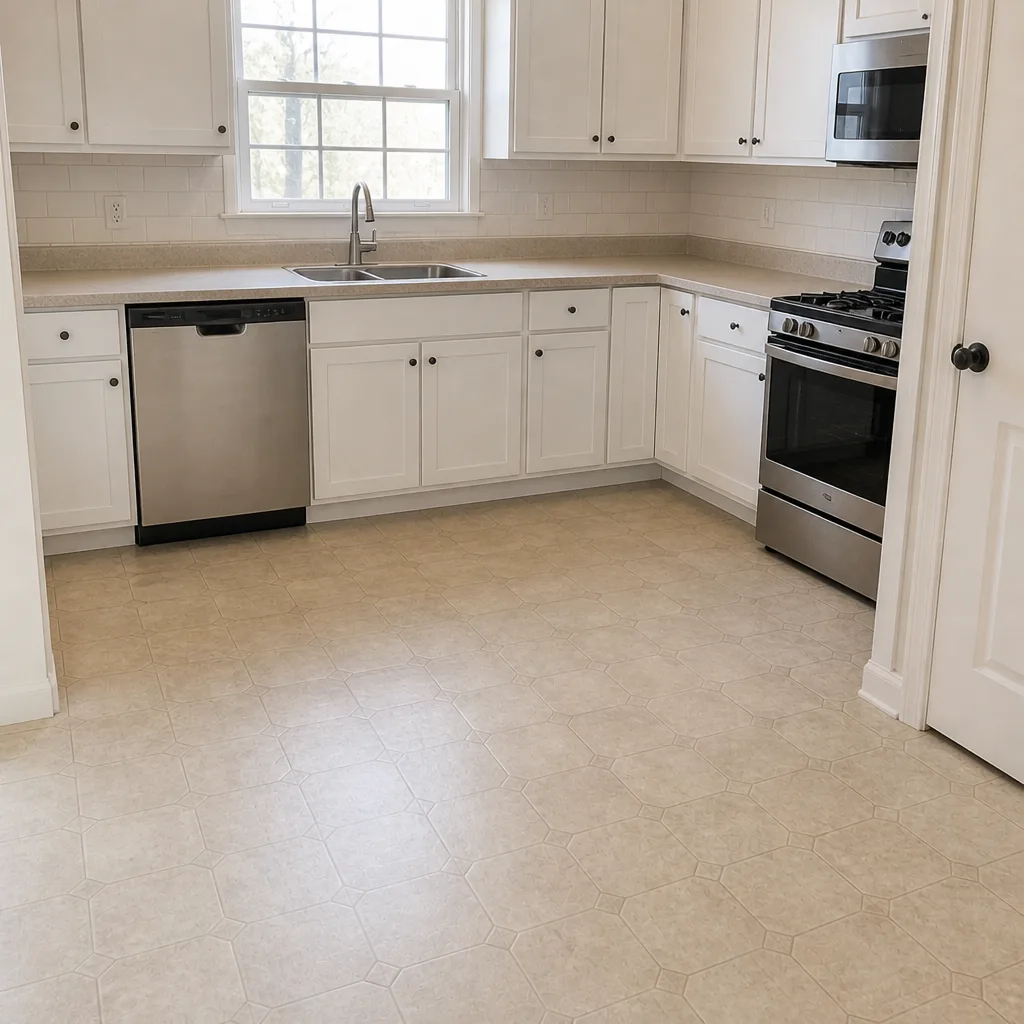
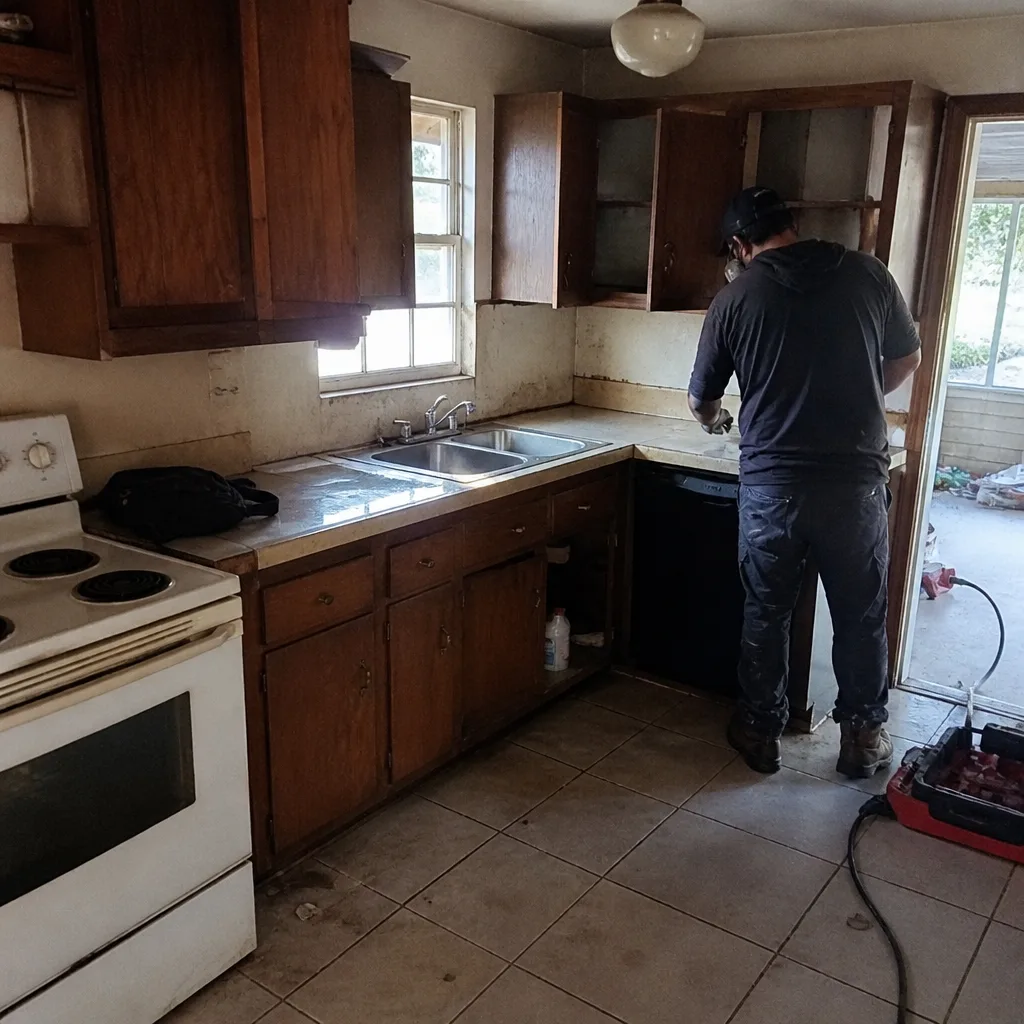
See the difference
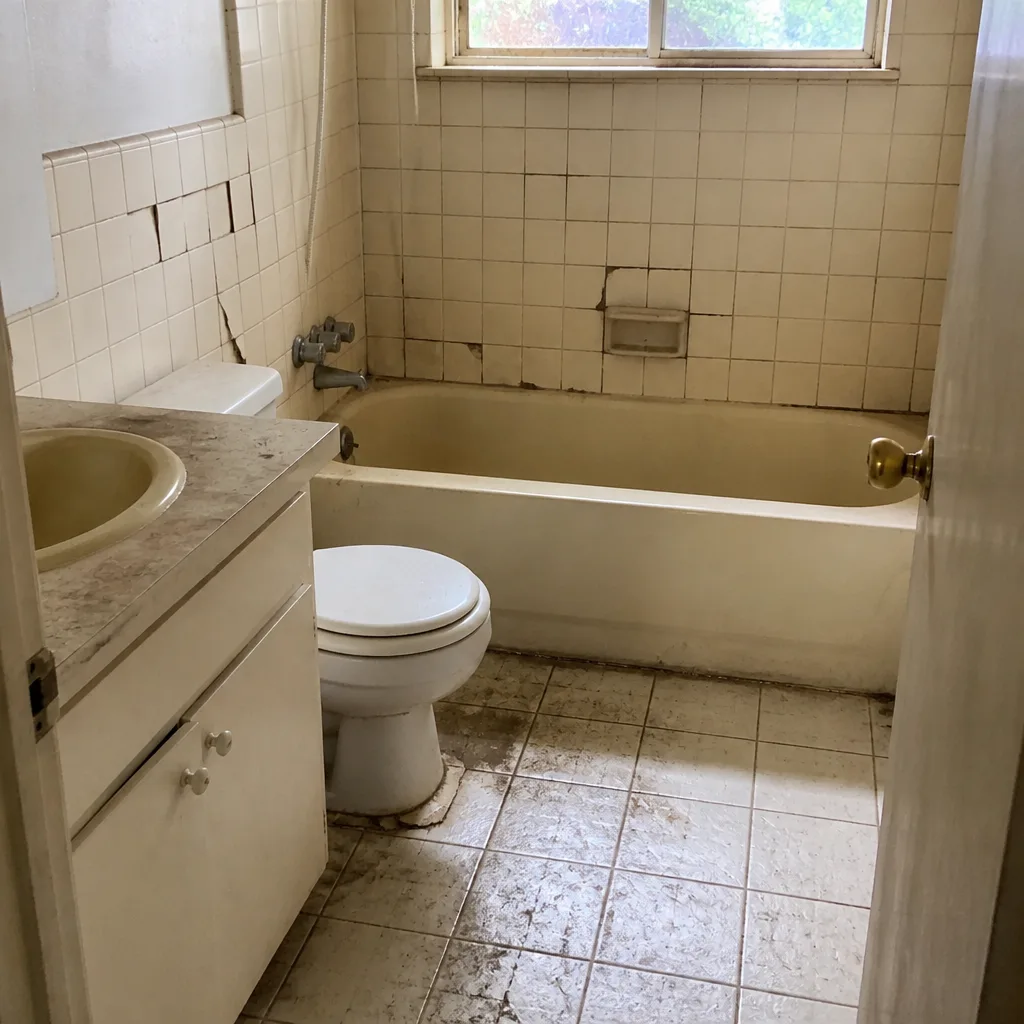 Before
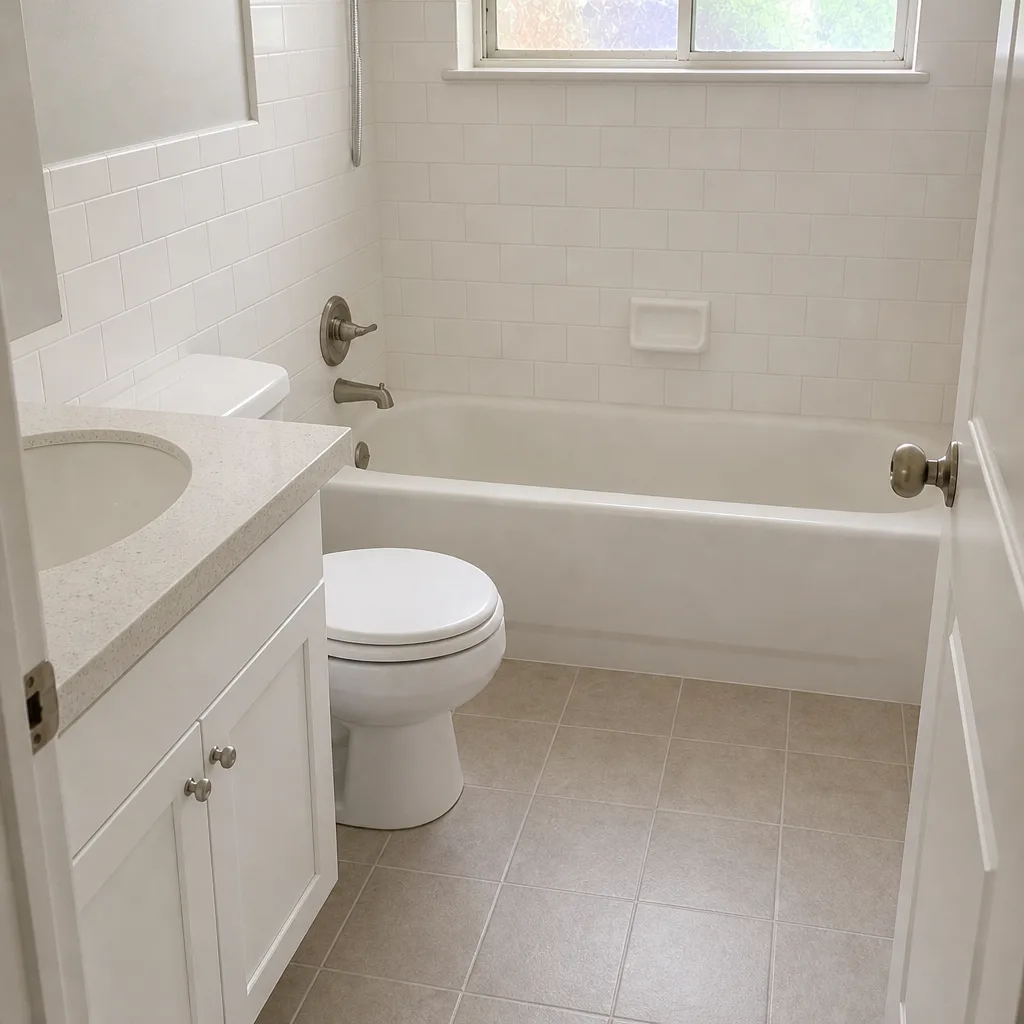 After
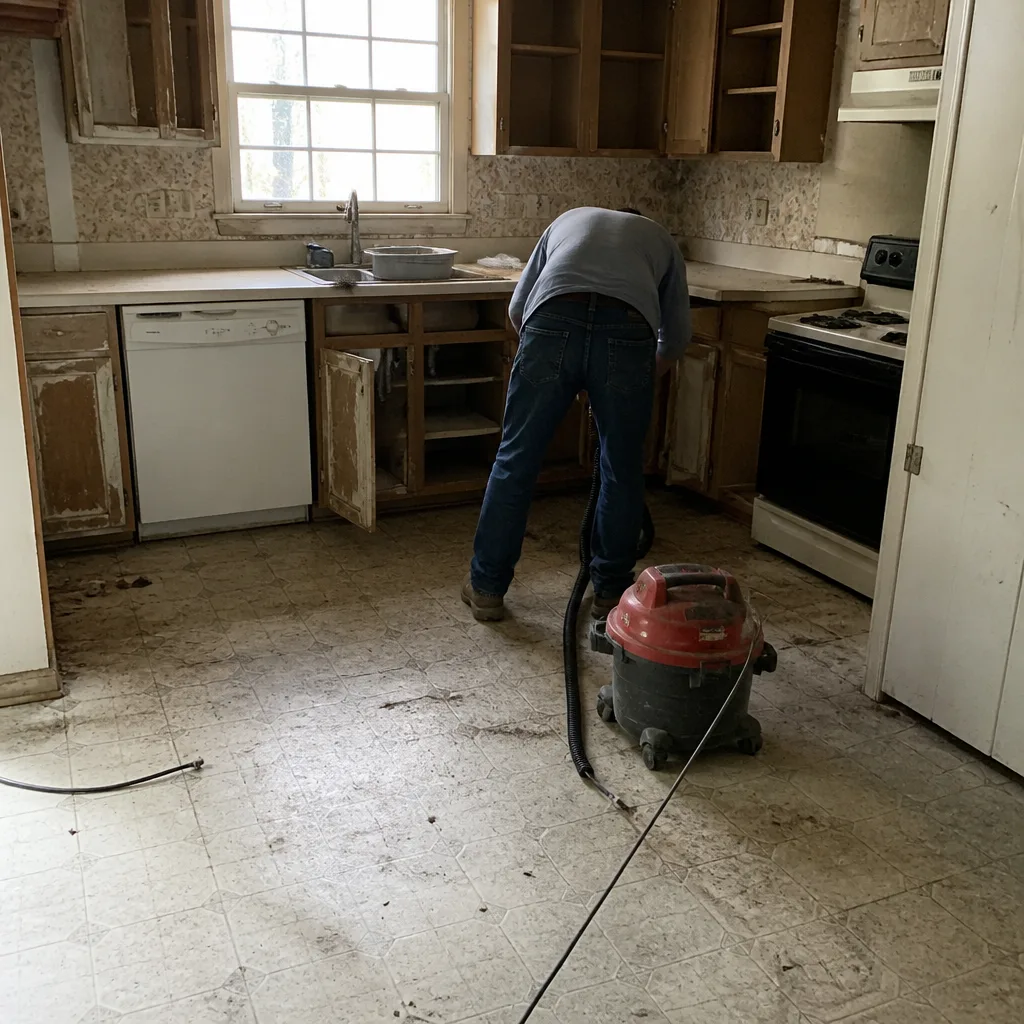 Before
 After
 Before
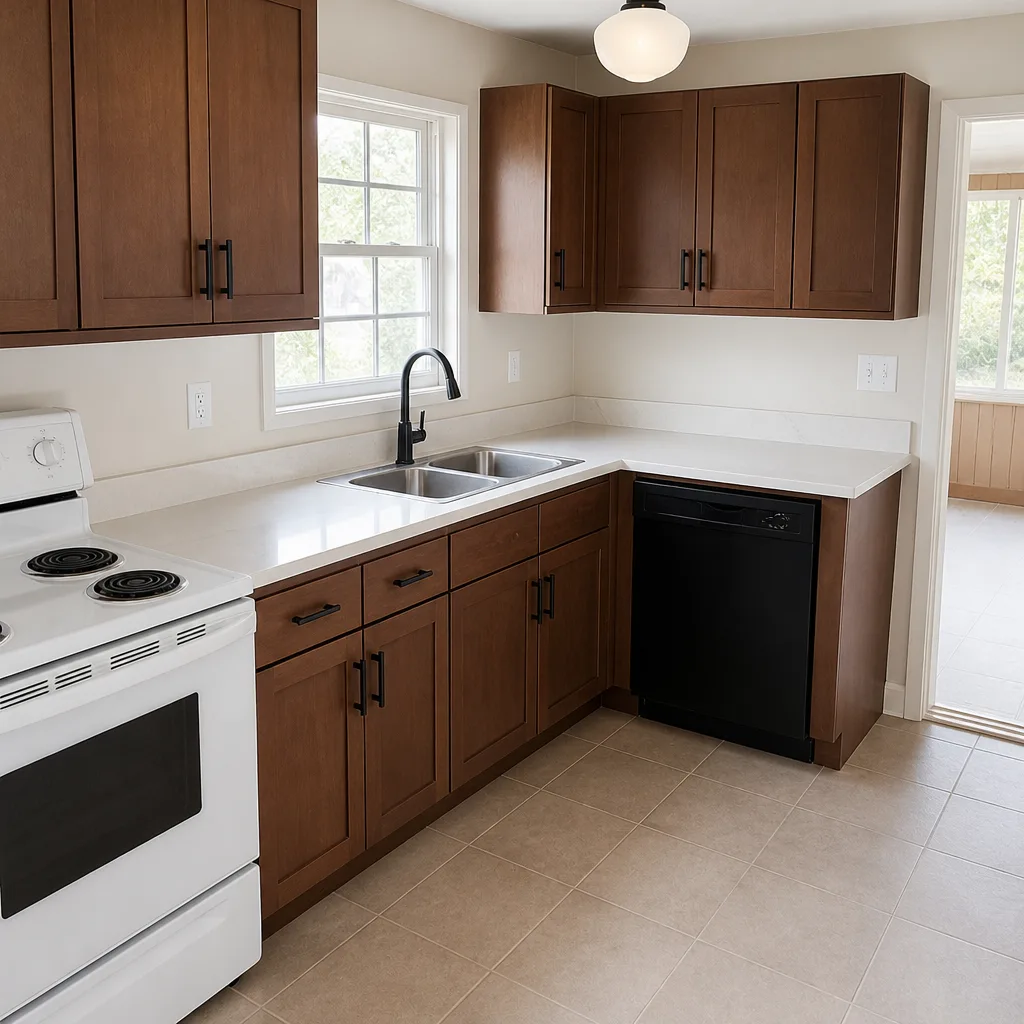 After
Frequently Asked Questions

An inspection and written estimate is free when we do the work, and it starts with the same step either way: measure, photograph and identify the cause. There’s no per-visit cost for the estimate. For an exact scope on your home, call (844) 320-6637 and we’ll set a time. Estimates are free.
A cosmetic crack is under an eighth-inch wide, vertical, and doesn’t grow between dated photos. A structural crack is horizontal, stair-stepped, or shows displacement from one side to the other, or it’s growing. The single test that settles most of them is measuring the width today, measuring again in a month, and comparing the photos.
Clay soil is the main driver behind slab movement on Richardson homes. The soil expands when wet and shrinks when dry, which is why cracking often appears after a wet-to-dry change and why drainage near the foundation is the first thing to correct. Soil movement is seasonal here, so photos tagged by date reveal the story better than a single observation.
Look at the rails between leaning posts. If the rails are straight between posts, the individual post is the problem. If a run of fence leans together, the soil or the footing under the whole run is the cause. A retaining wall that has bowed inward is a footing and soil-pressure problem, and it should be looked at right away because walls holding back soil can fail suddenly.
Not reliably. Roof leaks show up in the attic on the sheathing, in the flashing details at walls and penetrations, and in the deck itself, none of which is visible from the yard. Ask for attic access, a written description of the flashing condition, and the manufacturer and warranty terms of the existing system. On brands like GAF, CertainTeed or Owens Corning, the warranty depends on the installation quality as much as the shingle.
Call us first. We handle structural and cosmetic symptoms under one contractor, so if the crack in the wall traces back to a roof leak or a drainage corridor, the same visit can scope the full fix. Call (844) 320-6637. We answer 24/7. Fast dispatch from 7am to 7pm, Sunday through Friday.
The Bottom Line
The warning signs on a Richardson home are almost always symptoms, not causes. Cracking, leaning, staining, and pooling water are telling you where a system, whether it’s drainage, a footing, a flashing detail or a slab, has stopped doing its job. Your job is to measure, date, photograph and then decide which tier of response fits. Monitor the small stable things. Call within 30 days on anything growing or pooling. Call immediately on a horizontal crack, a bowed retaining wall, a sagging roofline or daylight through the roof deck. Structural or cosmetic, when you’re ready to get a written scope on your home, our team handles both in a single visit. Call (844) 320-6637 for a free estimate. We answer 24/7. Fast dispatch from 7am to 7pm, Sunday through Friday.
Written by the team at Construction Richardson.