Last updated November 17, 2026
Free written scope consultation - allowances, timeline, and change-order rules on paper before a single trade is scheduled
The Complete Driveway & Pavers Guide for Richardson Homeowners
Most homeowners in Richardson pick a paver by its color first and think about the base last. That’s backwards. Richardson sits on some of the most expansive clay soil in Collin County, and that clay moves – often several inches between a wet spring and a dry August. A paver system built to generic national specs can look perfect on day one and start cracking within two years. The paver on top is the finish; the base and the soil below it decide whether the driveway lasts. This guide covers the full specification picture: base depth, compaction, drainage, material PSI, joint widths, HOA rules, and how to size a driveway for a modern truck or EV.
Quick Answer
Driveway pavers in Richardson need a compacted aggregate base of at least 6 to 8 inches – not the 4-inch base used in stable-soil regions – because the expansive clay here shifts seasonally. Concrete pavers (rated 8,000 PSI and up) offer the best balance of durability, price and repairability in this climate. The written estimate, not a national average, sets the final price, and the base prep is the line item you should read most carefully.
Styles & brands we work with
- Kitchen remodeling
- Bathroom remodeling
- Home additions & ADU
- Roofing
- Windows & doors
- Driveway & pavers
- Fence
Table of Contents
- Why Richardson’s Clay Soil Changes Everything
- How Deep Should a Paver Base Be in Richardson?
- Paver Materials Compared: Concrete, Stone, Permeable and Brick
- Sizing a Driveway for Trucks and EVs
- Drainage, Joints and Joint Sand in North Texas Heat
- HOA Checkpoints in Richardson and Collin County
- Brand-Specific Picks That Perform in Texas Heat
- How a Proper Installation Runs, Start to Finish
Why Richardson’s Clay Soil Changes Everything
Richardson’s expansive clay is the single biggest reason a driveway here is a different job than the same driveway in a sandy or gravelly region. Expansive clay swells when it soaks up water and shrinks as it dries out, and it can move 3 to 4 inches seasonally. That movement doesn’t stop at the soil line. It travels up through whatever you put on top, and if the base isn’t built to absorb and spread that movement, the pavers and the joints above it take the stress.
What does that mean in practice? Three things:
- The subgrade matters as much as the aggregate. Before any base goes down, the native clay should be graded to shed water and compacted. Skip that step and you’ve built on a moving foundation.
- Water has to leave the site. Clay doesn’t drain well on its own. A paver driveway needs a slope away from the house and garage, plus an edge restraint system that holds the whole assembly together as the ground swells and shrinks.
- Tree roots and old trees change the equation. Mature trees pull moisture out of Richardson’s clay and create local movement and root pressure. If a driveway will run near one, that should shape the base plan from the start.
This is why we treat driveway pavers as a structural project first and a finish project second. The material you see is what you’re paying for; the base you don’t see is what keeps it flat. Structural or cosmetic, we handle both, but on a driveway the structural side has veto power. When you’re planning the driveway alongside other exterior work, look at our Construction Richardson overview of the seven categories we manage under one contractor so the sequencing lines up.
How Deep Should a Paver Base Be in Richardson?
A driveway paver base in Richardson should be a minimum of 6 to 8 inches of compacted aggregate, laid in lifts and compacted in stages – not a single thick dump. The 4-inch base that works in stable, well-draining soils is not enough under a vehicle here. The clay beneath will move, and a shallow base has no ability to bridge that movement.
Here’s how a proper base build runs:
- Strip and grade. Remove the existing surface, expose the native clay at the correct depth, and grade it so water drains away from the structure.
- Compact the subgrade. The clay is compacted before anything else is added, so the layers above have something stable to sit on.
- Add aggregate in lifts. Base material goes down in layers – typically 2 to 3 inches at a time – and each is compacted before the next. This is the step that separates a driveway that lasts from one that settles.
- Set edge restraints. A rigid edge holds the assembly together against lateral movement as the soil swells.
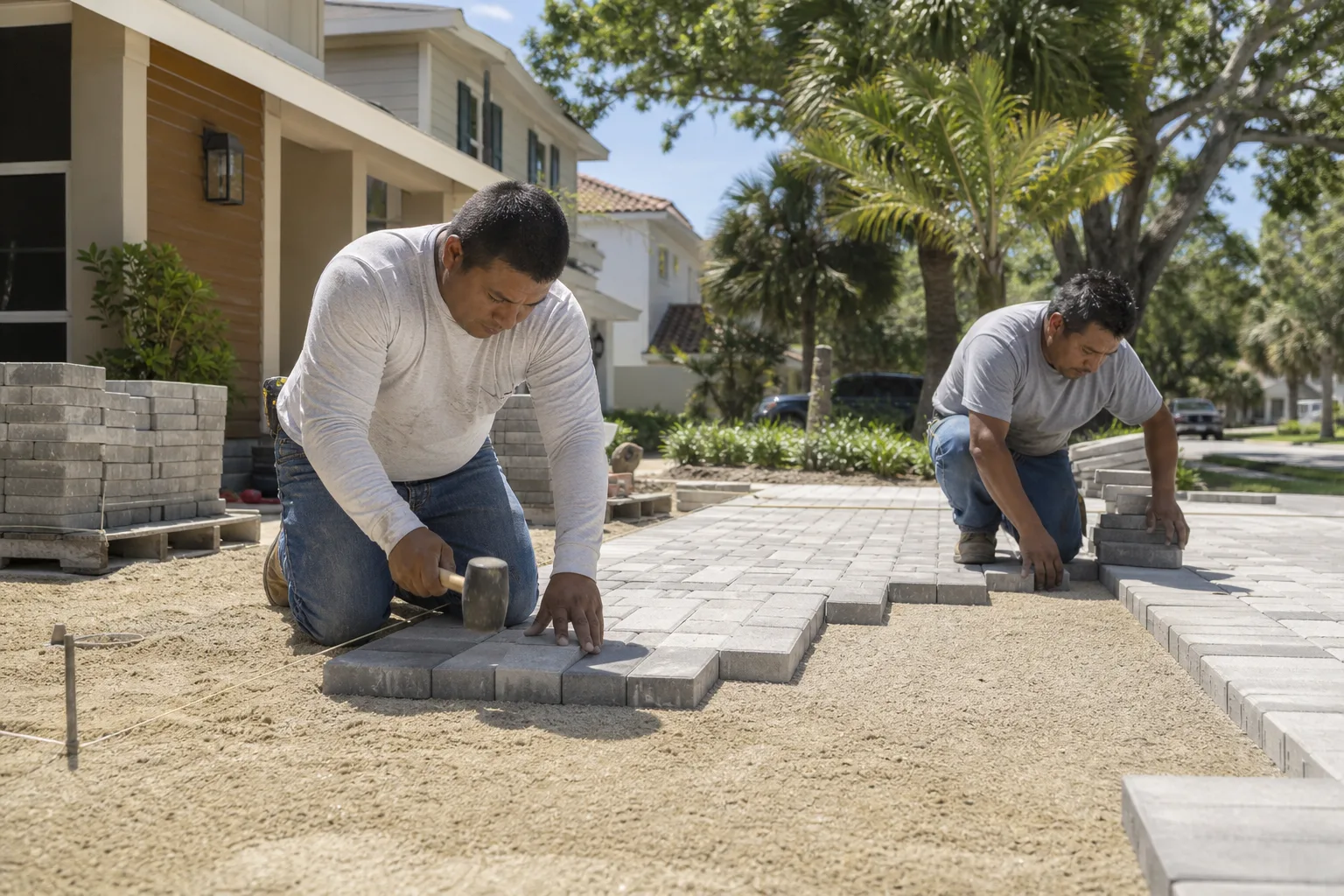
- Lay bedding sand and pavers. A thin, screeded bedding layer, then the pavers set to the pattern and slope you’ve chosen.
- Compact and joint sand. The finished field is compacted, then the joints are filled with the right sand (covered further down).
Depth also depends on what will drive on it. A standard passenger car and a heavy pickup with a loaded trailer are not the same load. If you’re planning for a truck or an EV, the base and the edge details should be specified for that, and that’s a conversation to have before the first number is quoted. Our driveway & pavers page walks through how a Richardson job is scoped from the soil up.
Paver Materials Compared: Concrete, Stone, Permeable and Brick
Concrete pavers are the workhorse for Richardson driveways: high PSI ratings, tight joints, a wide range of colors, and individual units that can be lifted and replaced if one ever fails. Natural stone and brick cost more and ask more of the installation, while permeable pavers are a drainage solution more than a look. The right pick comes down to load, drainage, and how you want the front of the house to read.
Here’s the side-by-side specification picture:
- Concrete pavers. Typically rated 8,000 PSI and up for driveway grades. Joint widths usually 2 to 4 mm with polymeric or fine joint sand. Maintenance interval is low: reseal as the finish dulls, sometimes every few years, or leave it natural and just clean it. Best all-around durability and repairability for the money.
- Natural stone (travertine, limestone, sandstone, granite). PSI varies widely by stone – granite is very hard, limestone is softer – so stone should be specified by rating, not by name. Joints are usually wider, and stone may need sealing depending on the type. Higher material cost, more prep sensitivity.
- Permeable pavers. Designed to let water pass through the joints and an open-graded base into the ground. Strong choice where runoff is a problem or where you want a greener site. The base is different from a standard install and must be built for water storage, not just load.
- Brick. Excellent curb appeal, good durability when specified as a paving-grade brick rather than wall brick, tighter joints, and higher material and labor cost. Best where the architecture calls for a traditional look.
One thing that’s specific to this climate: North Texas heat cycles are hard on finishes. Summer sun and the soil’s wet-dry rhythm work the materials, so specify pavers rated for driveway loads and choose joint sand that stays put under heat and water. If you’re pairing the driveway with new outdoor surfaces at the entry, the stone knowledge behind our kitchen work – we specify Cambria, Silestone and Caesarstone quartz – doesn’t apply outdoors, but the same principle does: specify by name and rating, not by guesswork.
Sizing a Driveway for Trucks and EVs
A driveway sized for a 1990s sedan is often undersized for what’s in the garage today. Modern half-ton pickups have grown longer and heavier, and electric vehicles carry a battery pack that adds serious weight to the axle load. That doesn’t mean you need an industrial slab, but it does mean the base depth, paver thickness, and edge restraint should be specified for the actual vehicles that will park on the driveway.
Points to work through before the driveway is drawn:
- Vehicle weights. Know the curb weight of the heaviest vehicle in the household. EVs and loaded trucks are heavier than many homeowners expect, and the base is where that load lands.
- Turning and parking width. Wider vehicles need more room to maneuver, and tight radii put stress on the edges of the pavers. Plan for the vehicle you’ll own, not the one you have today.
- Two-car turnaround space. If two vehicles share the driveway, give yourself room to get out without running the edge of the assembly on every trip.
- EV charging location. Plan where the charger will be and how the cable will route before the surface is set. It’s a small detail that’s expensive to add later.
- Paver thickness. For heavy vehicle loads, thicker driveway-grade pavers (in the common 60 mm and up range for driveways) paired with a deeper base handle the load better.
This is also where the sequence matters. If you’re planning a home addition or an ADU that will change where cars park, get the site plan sorted first. Our home additions & ADU work often runs alongside driveway and hardscape planning, and it’s easier to design the new driveway once than to redo it after the addition is framed.
Drainage, Joints and Joint Sand in North Texas Heat
A paver driveway has to move water away from the house, away from the garage, and out of the joints without washing itself apart. Richardson’s clay makes that harder than in well-draining soil because the ground won’t absorb runoff quickly. The fix is a surface sloped away from structures, a base that sheds water, and an edge restraint that holds the field in place.
On joints and sand, the details matter more than the brand name:
- Joint width. Standard concrete paver joints run roughly 2 to 4 mm. Too tight and the pavers chip; too wide and the sand won’t stay put.
- Joint sand. Polymeric sand sets up in response to water and holds the joint, which is why it’s common on driveways. Fine sand is used on some natural stone. The right choice depends on joint width and the paver type, and it should be specified, not assumed.
- Slope and runoff. Surface water should run to a drainage point, not sit against the foundation. Where the grade won’t allow a clean slope, a channel drain or permeable section can be the answer.
- Heat and movement. Summer heat expands the assembly, and the base gives it room to move without cracking. That’s another reason the base depth isn’t negotiable here.
One safety note that applies to any elevation or retaining work around a driveway: retaining walls, tall steps and structural edge conditions are engineering problems, not a weekend project. If the driveway needs a retaining wall or a significant grade change, get it designed and built by a trained professional.
HOA Checkpoints in Richardson and Collin County
Before you approve any paver design in Richardson, get the HOA requirements in writing. Many Collin County subdivisions control the color palette, the pattern, the driveway width, and sometimes whether a surface can change at all. Approving a design and then finding out it doesn’t meet the subdivision’s exterior guidelines is an expensive way to learn the rules.
Ask your HOA about these checkpoints:
- Approved colors and finishes. Many HOAs restrict the paver color to an approved list, often to coordinate with neighboring homes.
- Driveway width and expansion. Widening a driveway, adding a third parking bay, or changing the apron can all require HOA approval.
- Pattern and border. Some review boards care about herringbone versus running bond, and about whether a contrasting border is allowed.
- Permits and inspections. Most cities require a permit for work that changes the hardscape or drainage; ask your city’s building department what applies to your project and get it confirmed before work starts. A proper installation includes pulling the permits and passing the inspections.
- Drainage impact. If the new driveway changes how water leaves your lot, the HOA may want to see the plan.
We build the approval sequence into the estimate so the design is signed off before materials are ordered. It keeps the project on a straight path and eliminates the surprises that come with a rushed start.
Brand-Specific Picks That Perform in Texas Heat
The best paver systems in this climate come from manufacturers who build for driveways, not patios, and back the product with a clear warranty. We work with Belgard, Techo-Bloc, Unilock, Tremron and Cambridge Pavers – hardscape systems that are tested for load and temperature swings and that come with manufacturer warranty coverage on the product.
How the brands differ in practice:
- Belgard. A deep catalog of driveway-grade pavers and a strong residential system, with products sold in coordinated families for the driveway, walkway and patio. Good fit if you want one look carried across the whole front of the house.
- Techo-Bloc. A wide color and texture range with products engineered for heavy vehicle use. Strong choice where you want the driveway to look more custom while still sitting on a structural system.
- Unilock. Known for tight tolerances and dimensional consistency, which helps joint alignment over a long driveway and makes replacement of a single unit easier if one ever needs it.
- Tremron and Cambridge. Regional hardscape lines with solid driveway-grade options and dependable availability for North Texas installations.
The material that performs best in Texas heat is the one rated for driveway load and laid on a base built for this soil. Brand names help you pick a proven product; the install decides whether the product delivers. Specify by name, not by guesswork, and then hold the base spec to the same standard. When the exterior is done, that same material fluency carries inside to the finishes we spec for kitchens and baths – KraftMaid and Wellborn cabinetry, Cambria and Silestone surfaces – because the standard doesn’t change from the driveway to the kitchen.
How a Proper Installation Runs, Start to Finish
A paver driveway is a sequenced project, and each stage depends on the one before it. The pattern on the drawing is the last thing that happens, not the first. Understanding the order helps you ask better questions and read the written line-item estimate with confidence.
- Site review and design. Measure the space, assess the native soil, plan the slope, and confirm the paver, pattern and joint sand. HOA checkpoints get resolved here.
- Permits and approvals. Pull what the city requires and confirm the design meets the subdivision’s guidelines before materials land on site.
- Demolition and haul-off. Remove the old surface and the spoil from the site, cleanly.
- Subgrade prep. Expose and compact the native clay, grading it for drainage.
- Aggregate base. Lay the 6 to 8 inch base in lifts, compacting each lift, then set edge restraints.
- Bedding and laying. Screed the bedding sand, lay the pavers to the approved pattern, cutting units cleanly at edges.
- Compaction and joint sand. Compact the finished field, fill joints with the specified sand, and clean the surface.
- Final walkthrough. Confirm the slope and drainage, inspect the joints and edges, and hand over the project with the manufacturer warranty information for the products used.
Because we manage roofing, windows and doors, fencing, and the driveway and pavers under one contractor, the sequencing stays under one point of accountability. If the paver driveway is going in at the same time as new fencing at the property line – our fence installation work covers aluminum, vinyl and ornamental systems – we can line up the schedules so the site is only torn up once.
Common Mistakes to Avoid
- Using a 4-inch base. The national standard base is too shallow for Richardson’s clay. A shallow base may look fine for a season and then settle. Ask for the base depth in writing before you approve.
- Skipping the subgrade compaction. If the native clay isn’t compacted and graded first, everything above it is built on a moving layer. It’s the first step and the easiest to cut.
- Ignoring the HOA until after the design. Color and pattern restrictions vary by subdivision. Get written approval before you buy a paver you can’t install.
- Choosing patio-grade pavers for a driveway. Patio pavers are a different load class than driveway pavers. Specify driveway-grade products and a rating that fits the vehicles.
- Forgetting the drainage plan. Clay doesn’t absorb runoff quickly. A driveway without a slope or drain pushes water toward the house or pools at the street.
- Letting the cheapest bid set the spec. A low bid often trims the base, the edge restraint, or the joint sand – the parts you can’t see. Built to the spec, not down to a price, is the better rule on a driveway that will carry cars for a decade or more.
- Sizing for a smaller car than you own. Trucks and EVs put more weight on the base and edges than many homeowners plan for. Specify for the vehicles, not the average.
See the difference
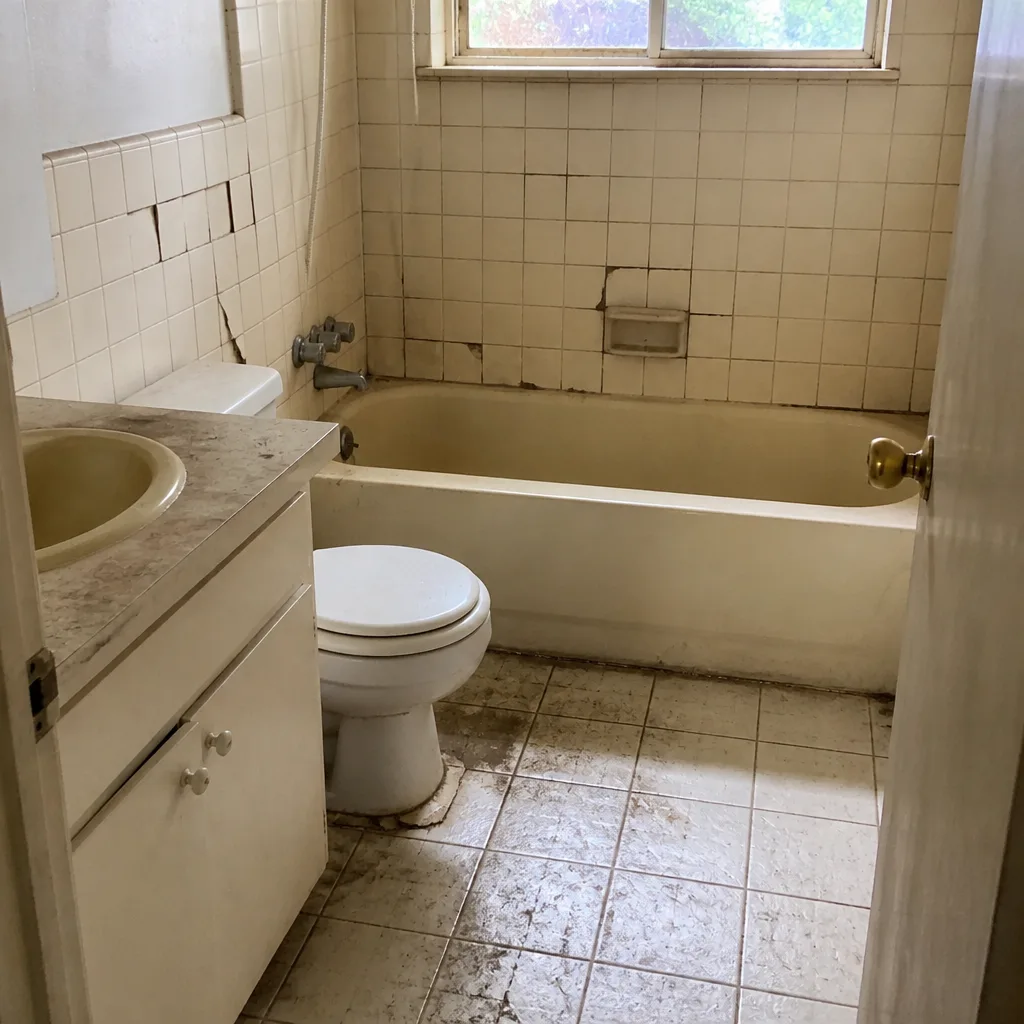 Before
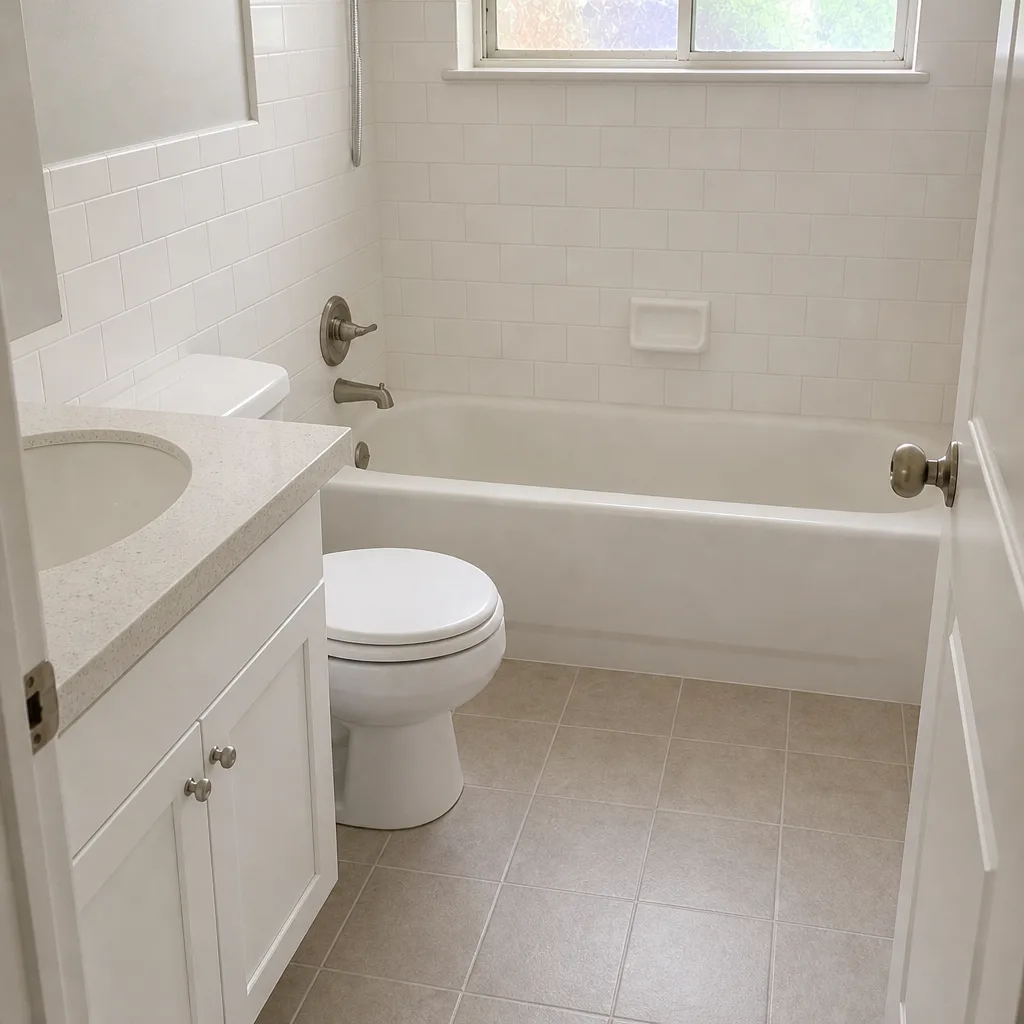 After
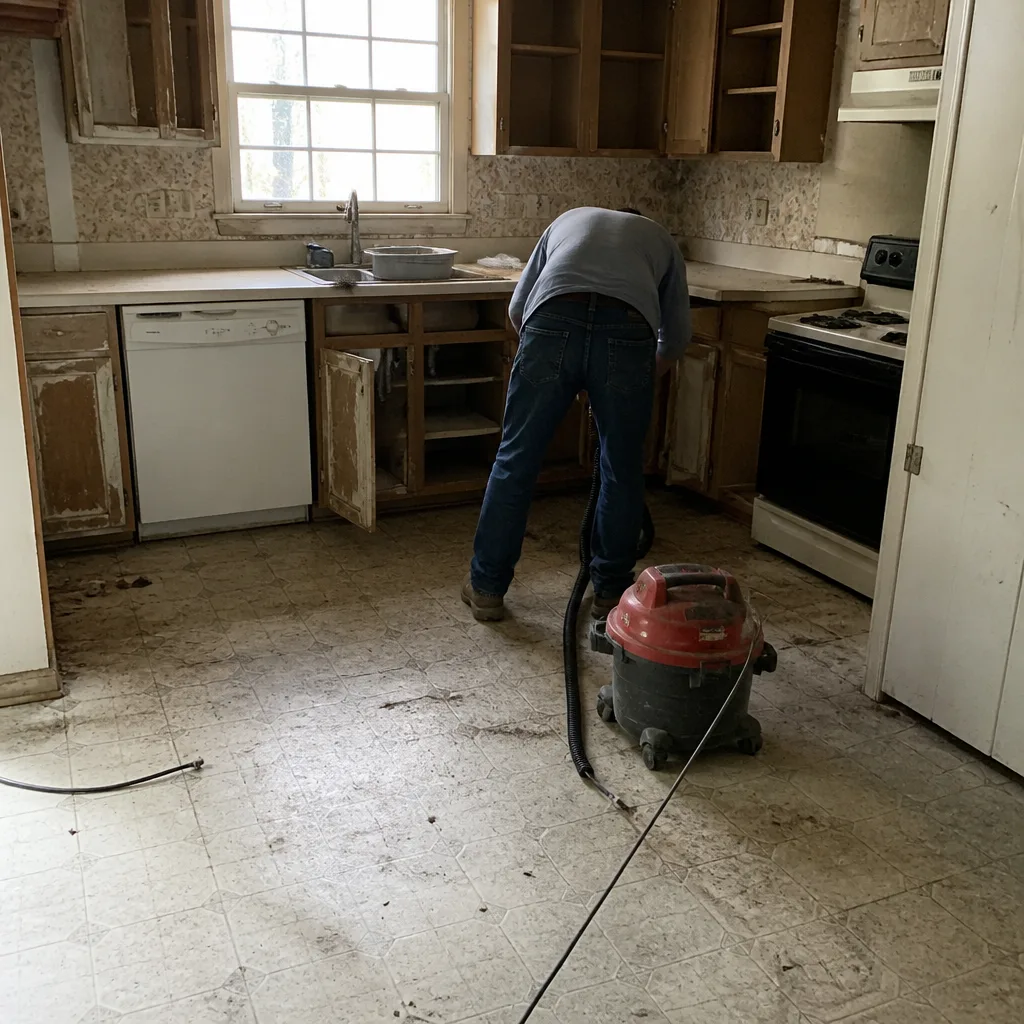 Before
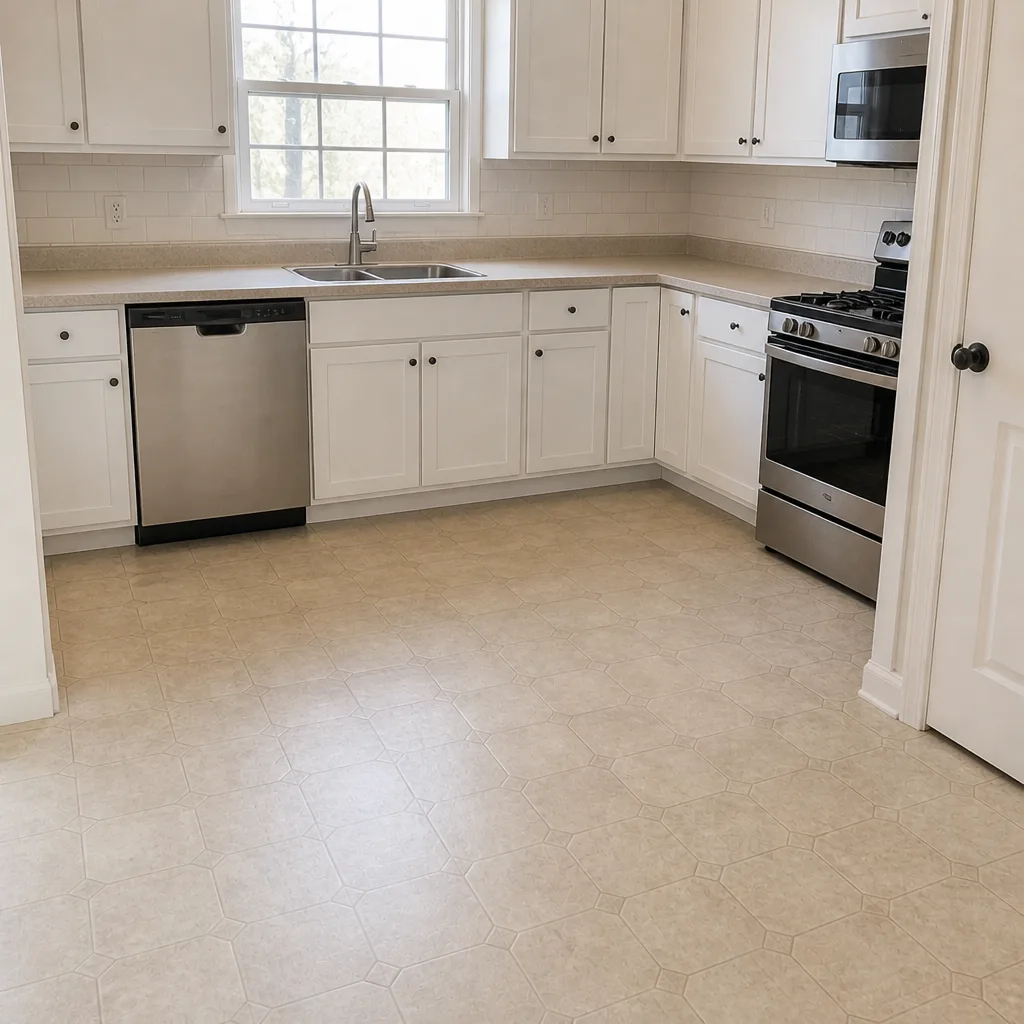 After
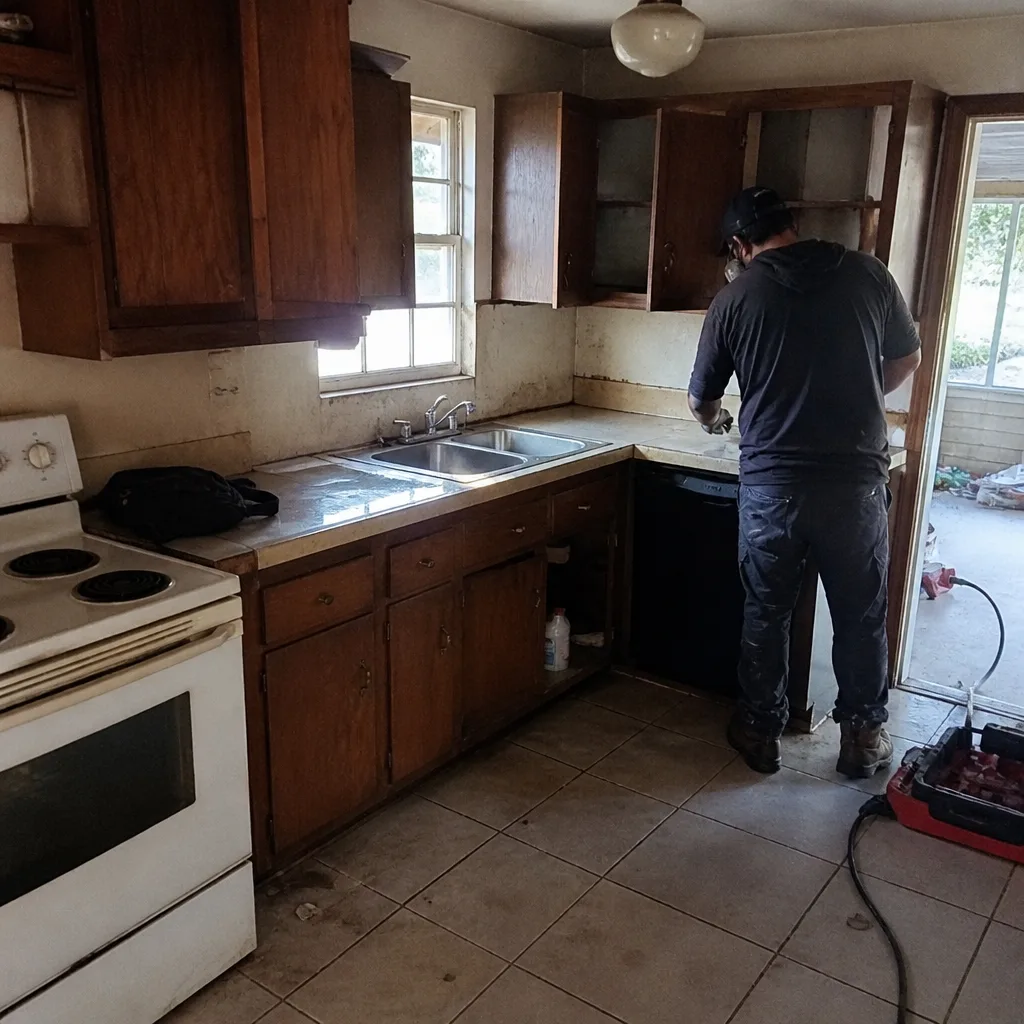 Before
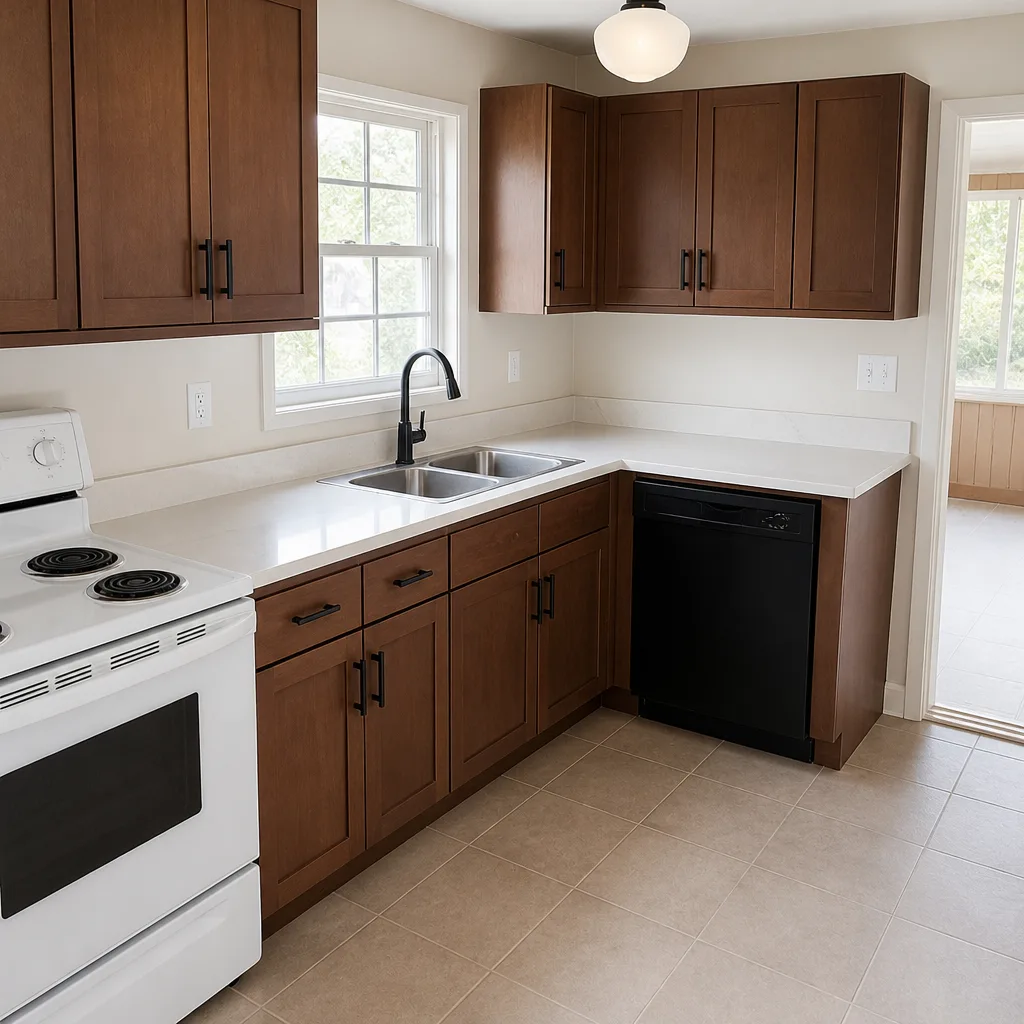 After
When to Call a Professional
A driveway paver install is one of those jobs where the wrong first step is the expensive one. Call a professional when the design calls for more than 6 inches of base, when the soil near the drive is heavy clay that holds water, when the driveway needs a retaining wall or a significant grade change, when there’s a tree root issue in the way, or when the HOA and the city both need to sign off before work can begin. Those are engineering and sequencing questions, not a materials decision.
Our technicians have up to 12 years of experience with hardscape and exterior work, and we approach a paver driveway as a structural build with a finish on top. Construction Richardson offers free estimates in Richardson – call (844) 320-6637. We answer 24/7, with fast dispatch from 7am to 7pm, Sunday through Friday.
Frequently Asked Questions
A paver driveway in Richardson is priced per job from a written line-item estimate, and the cost depends on the square footage, the base depth the soil requires, the paver line you choose, and whether permits or drainage work are involved. We don’t quote from a national average because the base spec here runs deeper than in stable-soil regions, and a real estimate has to reflect that. Call (844) 320-6637 for an exact quote – estimates are free.
The expansive clay that runs through Richardson and much of Collin County swells and shrinks seasonally, moving 3 to 4 inches, and a 4-inch base can’t bridge that movement. A compacted 6 to 8 inch aggregate base, laid in lifts, spreads the load and gives the pavers room to move without cracking. It’s the difference between a driveway that lasts and one that settles.
Concrete pavers rated 8,000 PSI and up are the best all-around choice for a Richardson driveway, balancing durability, repairability and cost. Natural stone and brick can both work well when specified by rating and laid on a proper base, and permeable pavers are the right answer where drainage is the main concern. The product matters, but the base and installation decide how it performs in the heat.
Yes. We pull the permits the city requires and confirm the design meets your subdivision’s HOA guidelines before work starts, and we pass the inspections. Asking your city’s building department what applies to your project is a good early step, and we handle that as part of the estimate and schedule.
A typical residential paver driveway takes several days, and the timeline depends on the square footage, the base depth, drainage work, and the design. The base build takes the most time because each lift has to be compacted before the next goes down. We set the schedule in the written estimate and hold to it, with no change orders once the price is fixed.
No. The price is fixed by the written estimate, so the line items you approve are the line items you pay. The only things that change a fixed price are scope changes you request. That’s why the estimate spells out the base depth, paver line, joint sand and any drainage or permitting work before you sign off.
The Bottom Line
A paver driveway in Richardson is a soil problem before it’s a materials problem. The expansive clay under Collin County moves 3 to 4 inches seasonally, which makes a compacted 6 to 8 inch aggregate base, a graded subgrade and a solid edge restraint the non-negotiables. Concrete pavers rated for driveways are the strong default, and brands like Belgard, Techo-Bloc and Unilock give you proven product lines backed by manufacturer warranties. Size the driveway for your heaviest vehicle, sort the HOA and permit questions first, and read the estimate’s base line before anything else. Specify by name, and hold the base to the same standard.
If you’re ready to price a driveway or hardscape project, call Construction Richardson at (844) 320-6637 for a free estimate. We answer 24/7, with fast dispatch from 7am to 7pm, Sunday through Friday. We’re happy to walk the site, talk through the base spec, and put a written line-item quote in your hands.
Written by the team at Construction Richardson.