Last updated November 17, 2026






Free written scope consultation - allowances, timeline, and change-order rules on paper before a single trade is scheduled
DIY vs Professional Construction: The Richardson Homeowner’s Decision Guide
Most homeowners frame the DIY-versus-hire question as a test of nerve. Can you set a post, cut a countertop, shim a door? That’s the wrong test. In Richardson, an unpermitted deck or a fence built without a permit can become a disclosure item that delays or kills a home sale, and the cost of retroactively permitting and rebuilding a DIY project into compliance often runs past what professional installation would have cost in the first place. The real dividing line is permit exposure, soil behavior, liability, and what documentation your buyer’s inspector will ask to see. This guide walks twelve common residential jobs one at a time and draws that line where it actually belongs, not where a video makes it look.
Quick Answer
In Richardson, DIY makes sense for cosmetic, non-permitted, reversible work such as interior paint, cabinet hardware, and clearing a yard. Anything structural, anything touching the building envelope, and anything requiring a permit or inspection is where professional construction earns its cost, because the permit record, the warranty, and the engineered specs protect your resale value in a market that reads construction documents carefully. When a project needs licensed trade work or city inspection, hire it out and keep the paperwork.
Styles & brands we work with
- Kitchen remodeling
- Bathroom remodeling
- Home additions & ADU
- Roofing
- Windows & doors
- Driveway & pavers
- Fence
Table of Contents
- The Twelve-Project Decision Framework
- Which Richardson Projects Require a Licensed Contractor
- Why Clay Soil Changes the Math on Fences and Flatwork
- The Real Cost Comparison: DIY vs. Professional Installation
- What Richardson’s Resale Market Expects to See
- The Inspection Failure Risk, Explained
- Five Signals a Project Belongs With a Professional
- Common Mistakes to Avoid
The Twelve-Project Decision Framework
Here’s the practical split. We’ve watched homeowners in Richardson succeed at some of these jobs and struggle badly with others, and the difference almost never comes down to how handy the person is. It comes down to whether the work is permitted, whether it touches the envelope, and whether a mistake is cheap to undo.
- Interior paint and trim: DIY. No permit, fully reversible, low risk.
- Cabinet hardware and minor shelving: DIY, with care around plumbing walls.
- Landscape planting and bed edging: DIY. Cosmetic and reversible.
- Bathroom vanity swap (same location): Borderline. Fine for a confident DIYer, but plumbing rough-in errors flood a floor fast.
- Kitchen cabinet refacing: Borderline. Fine as a DIY task if you can spec the door and drawer fronts correctly, but the cabinet lines we work with, KraftMaid and Wellborn among them, are sold through authorized channels for a reason, and fitment is where DIY refacing usually shows.
- Interior door replacement (same size): Borderline. Hanging a slab is doable; a misfit shows in every photo.
- Window replacement: Professional. Envelope, energy performance, and inspection all apply.
- Roof repair or replacement: Professional. Height, weather risk, and warranty.
- Fence installation: Professional in most cases. The clay soil is the reason, addressed below.
- Concrete or paver driveway: Professional. Base prep and flatwork tolerances decide whether it holds.
- Deck or patio cover: Professional. Permitted, load-bearing, and inspected.
- Room addition or ADU: Professional without exception. Structural, permitted, inspected at every phase.
The framework isn’t a skill ranking. It’s a risk ranking. Jobs one through four fail cheaply and locally. Jobs seven through twelve fail expensively, legally, or both.
Which Richardson Projects Require a Licensed Contractor
Texas doesn’t license general contractors statewide, but that doesn’t mean the work is a free-for-all. Richardson requires permits and inspections for structural and envelope work, and specific trades such as electrical, plumbing, and HVAC must be performed by licensed professionals. The permit is what assigns responsibility, and that assignment matters when a buyer’s inspector pulls the record years later.
Here’s where the line sits in practice:
- Permit and inspection typically required: additions, ADUs, decks over a certain size, patio covers, roof replacements, window replacements, and any electrical or plumbing alteration.
- Licensed trade required by law: electrical rough-in and finish, plumbing rough-in and finish, and gas work. A homeowner can’t legally self-perform these in Richardson no matter how skilled they are.
- Permit likely required, and worth confirming: fence installation over a certain height and any driveway or hardscape that changes drainage or the right-of-way. Call the city’s building department before you dig, because the checklist varies.
- No permit typically: interior paint, minor cabinet hardware, and landscaping that doesn’t touch grading or structure.
If your project lands in the first two buckets, the licensed-contractor requirement isn’t a suggestion. It’s the difference between a permitted record and an unpermitted one that a savvy buyer’s agent will flag on the disclosure form. We build every job to the spec and pull the permits, because the paperwork is part of the product.
Why Clay Soil Changes the Math on Fences and Flatwork
Richardson sits on expansive clay soil, and that single fact reframes a lot of “easy” projects. Clay swells when it holds moisture and shrinks when it dries out. Over a season, that movement works on anything set into the ground, and it works hardest on fence posts, concrete slabs, and paver bases.
Here’s what that looks like on the two jobs homeowners most often attempt themselves:
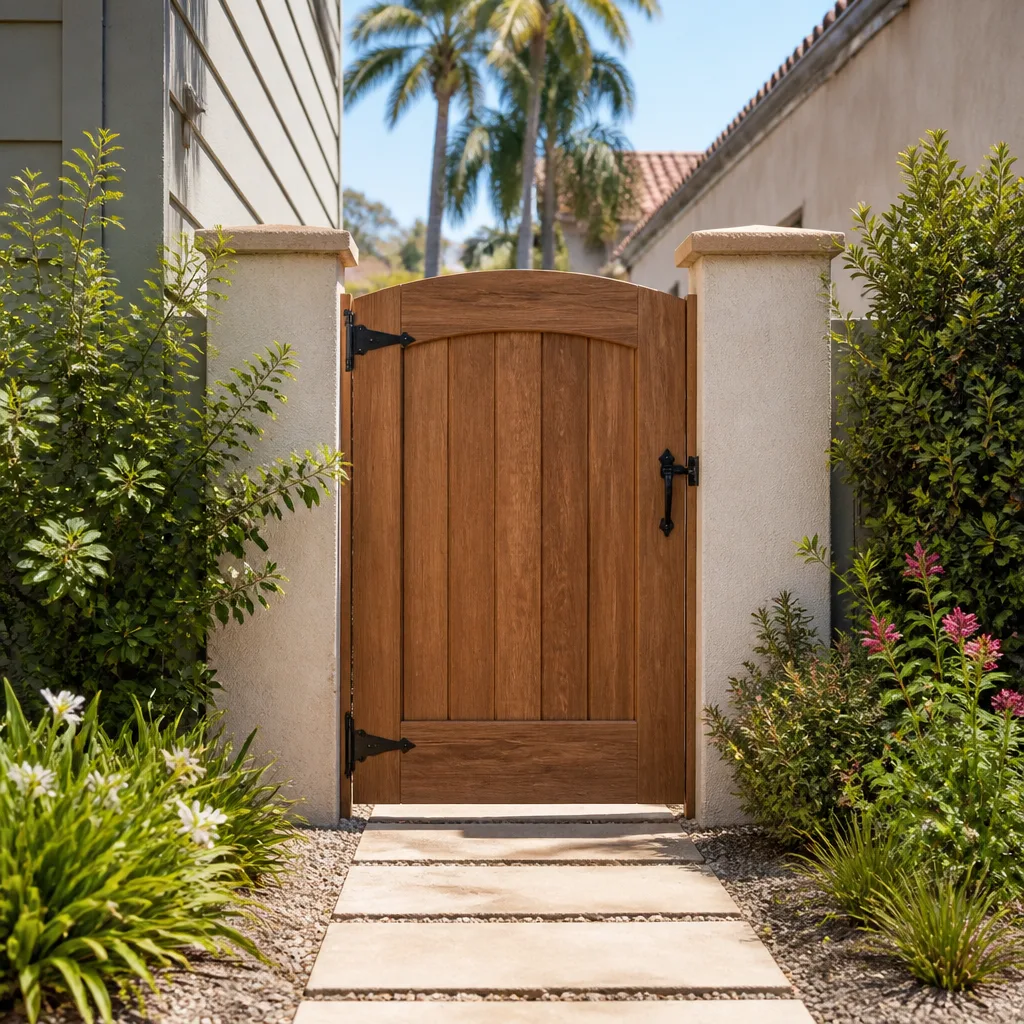
- Fence installation: A post that’s too shallow or set with the wrong backfill will lift, lean, or kick out as the clay moves. Six months later the gate won’t latch and the panel sags. Proper depth, proper concrete, and proper spacing aren’t optional in this soil. The material lines we install, Jerith aluminum and Bufftech vinyl among them, are engineered to perform here when the footings are right, and the footing is where a DIY job usually goes sideways.
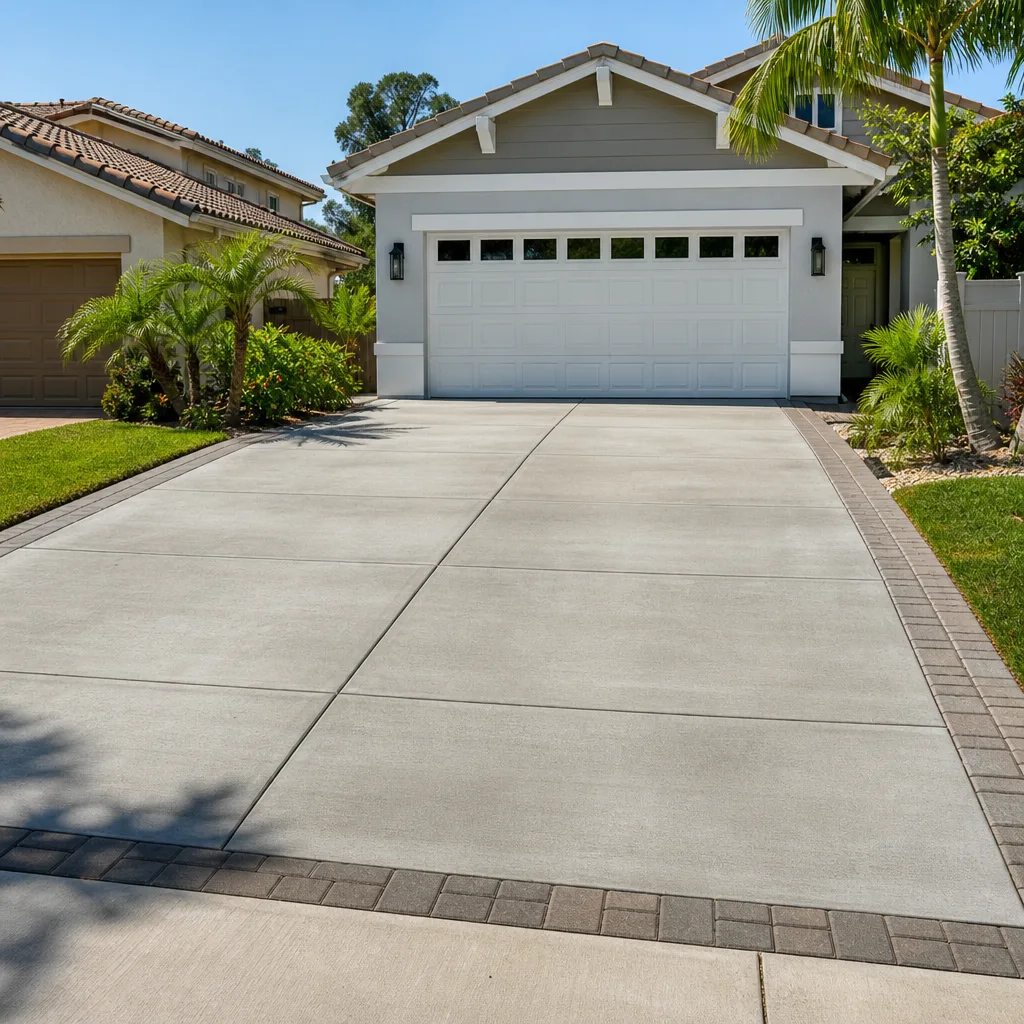
- Concrete and paver flatwork: A driveway is a base system, not a surface. The compacted sub-base, the drainage slope, and the joint layout decide whether a slab cracks or a paver field stays true through clay movement. Belgard and Techo-Bloc systems are specified with that base in mind, and skipping the base to save a weekend is how a driveway fails inside two seasons.
The clay doesn’t care how careful you are. It cares whether the burial depth and base compaction meet the spec. That’s a technical requirement, and it’s exactly the kind of detail that separates a job that lasts from one that needs a redo.
The Real Cost Comparison: DIY vs. Professional Installation
The honest cost comparison isn’t material plus a weekend. It’s material, plus the value of your time, plus the realistic probability of a redo, plus the cost of retroactive permitting if the work fails inspection or shows up unpermitted at sale. Run the comparison on those terms and the picture changes.
- Professional fence installation in the Richardson market: typically estimated in the range of low double digits to mid triple digits per linear foot, depending on material and site. The written estimate sets the final figure.
- Professional driveway and paver work: typically estimated per square foot with base prep, drainage, and finish included. The estimate is free and set per job by the written quote.
- Window and door replacement: typically priced per unit and per opening, with envelope sealing and inspection included.
- Roof replacement: typically priced per square of decking and material, with the manufacturer’s warranty attached to the installed system.
Now add what DIY can cost on top: your weekends, the tool rental, the second material order when the first one warps or cracks, and the compliance cost if you sell. That last one is the wildcard. Retroactive permitting on an unpermitted structure often means opening walls, re-inspecting, and sometimes rebuilding to current code. It’s rarely cheaper than doing it right the first time, and often it’s more.
The professional path buys you a warranty and a written record. That’s the actual line item. The brand warranties behind our work, from roofing systems by GAF, CertainTeed, and Owens Corning to hardscape from Belgard, exist because the installed system is traceable to a licensed installer. A homeowner’s DIY install doesn’t inherit that warranty.
What Richardson’s Resale Market Expects to See
Buyers in Richardson read the disclosure form, and their agents read the permit history. An unpermitted project isn’t automatically a dealbreaker, but it forces a negotiation. The buyer either walks, or asks for a credit covering the cost to bring the work into compliance, and the seller loses leverage because the record already shows nothing was pulled.
What the market expects to see, job by job:
- A permit record for structural and envelope work. Additions, roof replacements, and window replacements should all leave a trail.
- A receipt from a licensed trade for any electrical or plumbing work.
- A material spec sheet for anything with a manufacturer warranty, because the warranty transfers only with proper documentation.
- Consistent documentation across the property. A permitted addition paired with an unpermitted deck raises a question the buyer will ask.
The pattern is simple. The more the paperwork matches the property, the cleaner the appraisal and inspection go. That’s true whether the work is a full home additions & ADU project or a modest fence installation. The documentation is a value asset, not an administrative cost.
We’ve seen how a single unpermitted structure can stall a sale for weeks while the seller scrambles to gather paperwork. That’s the kind of problem money can’t always buy its way out of quickly.
The Inspection Failure Risk, Explained
An inspection failure is rarely catastrophic. It’s usually fixable. But the fix can open finished work, re-trigger a phase, and reset your schedule. That’s where the inspection risk bites a homeowner DIYing a permitted project.
The phases most likely to fail:
- Foundation and framing. A deck or addition that doesn’t match the approved plans gets caught here.
- Rough-in. Electrical and plumbing behind the wall must be inspected before drywall goes up. If the work wasn’t done by a licensed trade, it fails here.
- Final inspection. The finished work must match the permitted scope. A DIYer who altered the plan midway is the classic case.
Each failure costs time, and time is the one line item you can’t recover. We pull the permits and pass the inspections as part of the job, because the inspection is a checkpoint we plan for rather than an event we react to. That’s a structural advantage of Construction Richardson that matters on every permitted project.
Five Signals a Project Belongs With a Professional
Not every job is obvious. Use these five signals as a quick test before you decide to handle a project yourself.
- The project requires a permit. If a permit is required, the inspection and the paperwork come with it, and professional installers are set up for both.
- The work touches the building envelope. Windows, doors, and roofing all affect water intrusion, energy performance, and warranty. Envelope work is where DIY errors get expensive fast.
- The work touches the ground in clay. Post depth and base compaction are spec requirements, and the material systems we install are designed for that spec.
- The work has a manufacturer warranty that only transfers to a licensed installer. Roofing systems by GAF, CertainTeed, and Owens Corning are the clear example; installing them yourself voids the coverage.
- The work affects resale documentation. Any project a buyer’s inspector will ask about belongs on the permit record, and that means a licensed contractor.
Run a project through that list. If it trips more than one signal, the math already points to hiring out.
Common Mistakes to Avoid
- Skipping the permit because the work “isn’t that big.” Scope creep is how a small deck becomes a structure on the disclosure form, and the city doesn’t accept that argument when a buyer asks. Call the building department before you start, not after.
- Assuming clay soil behaves like the soil in the videos. A fence post set to a climate-agnostic depth is a post that leans in Richardson, because the clay movement is the variable those videos never address. Match the footing to the soil, not to a generic guide.
- Ordering the wrong cabinet or fixture spec and finding out at install. The brands we specify, from KraftMaid to Kohler and Grohe, are sold through authorized channels with fitment guarantees for a reason. A house-brand substitute that measures “close enough” shows in the finished room.
- Letting a licensed-trade job get done by a non-licensed hand. Electrical and plumbing are the two trades where a mistake can be unsafe, and a permit requires licensed work. There’s no workaround, and the inspection will catch it.
- Chasing the lowest quote and getting a scope that doesn’t cover base prep. A paver or driveway quote that skips the compacted base is quoting half the job, and the missing half is what causes failure in clay.
- Forgetting that the warranty follows the installer. A product installed outside the manufacturer’s channel loses its coverage, and the buyer inherits a system with no paper behind it.
- Treating documentation as an afterthought. Save the permits, the spec sheets, and the receipts. Those documents are the difference between a clean sale and a credit negotiation.
See the difference
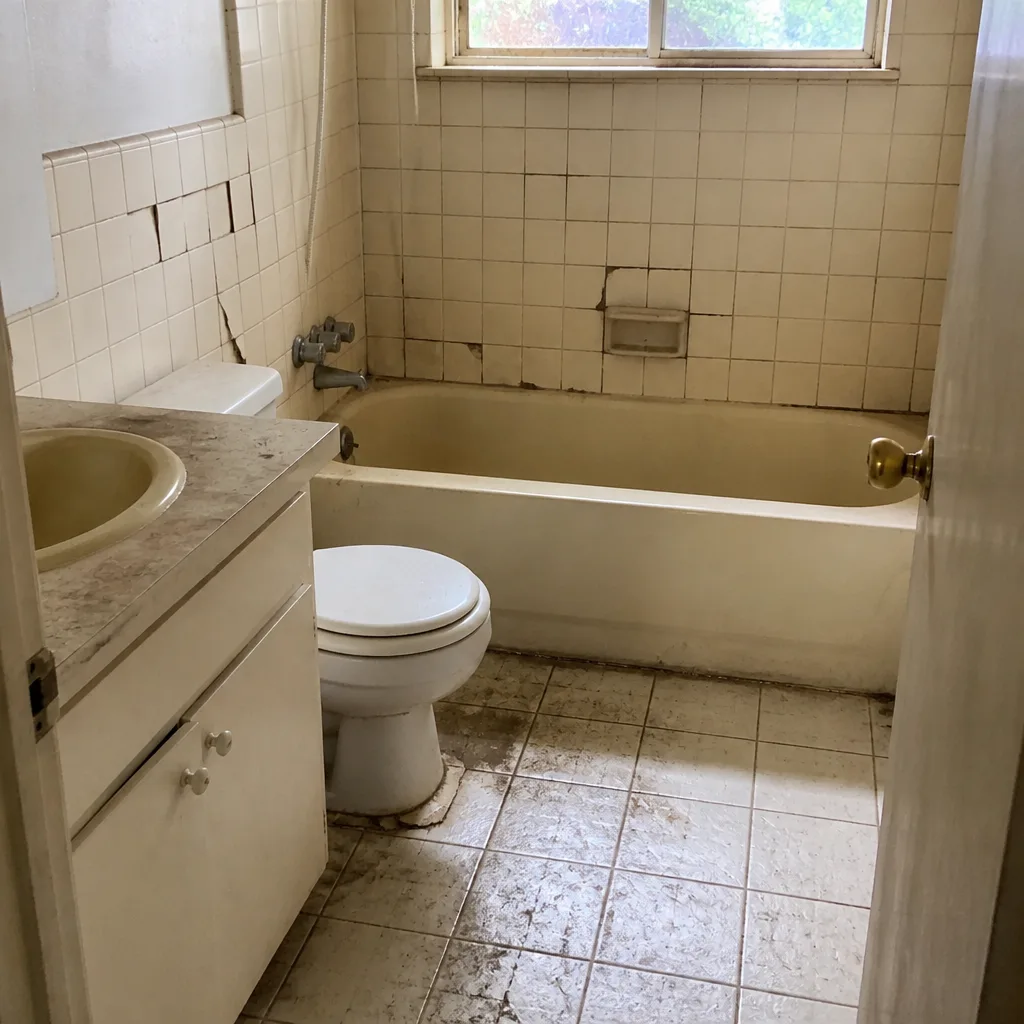 Before
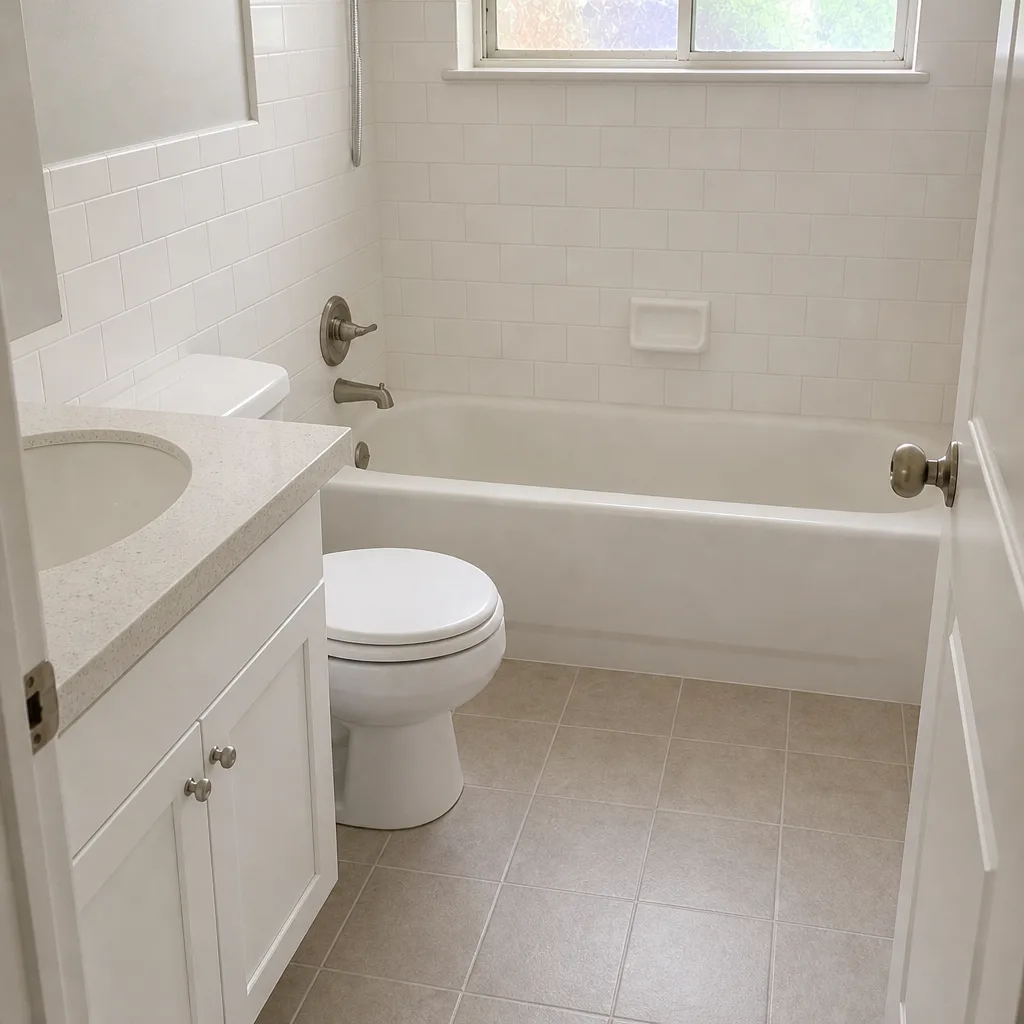 After
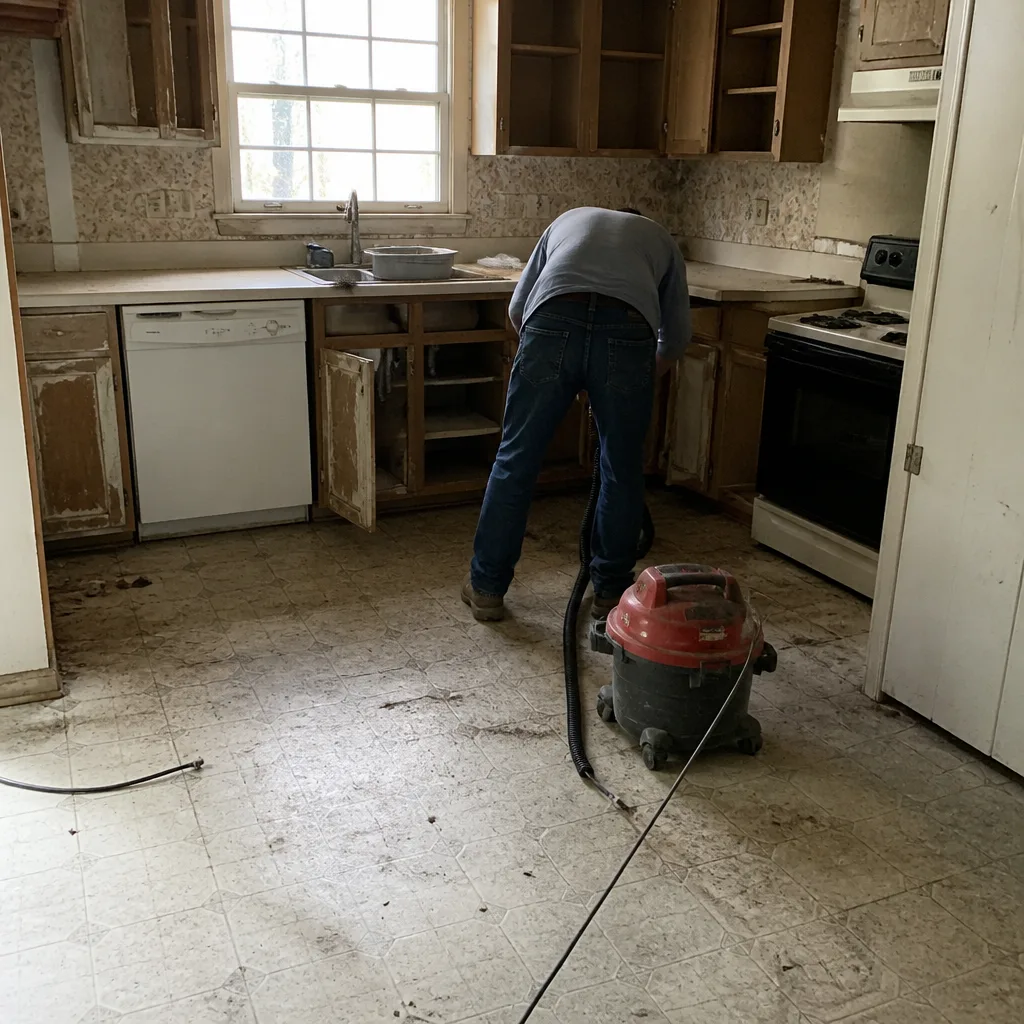 Before
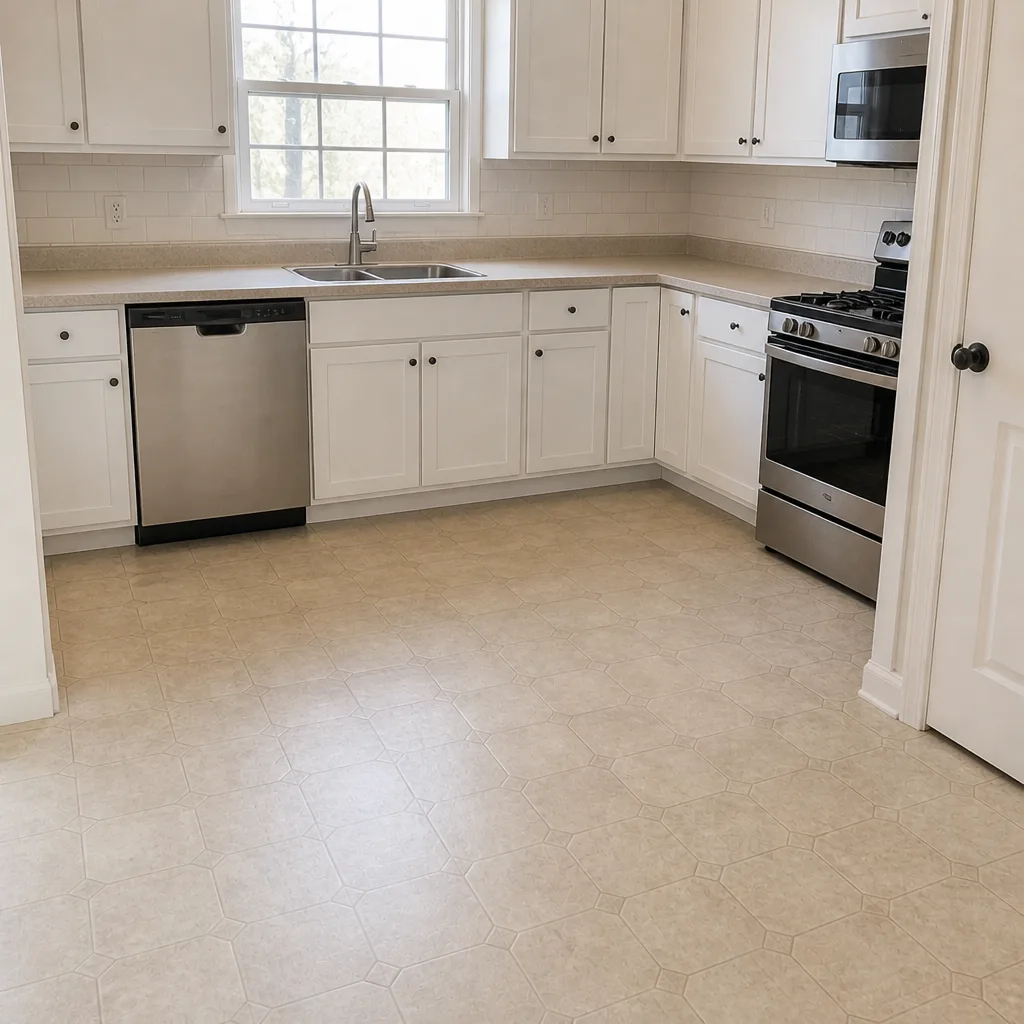 After
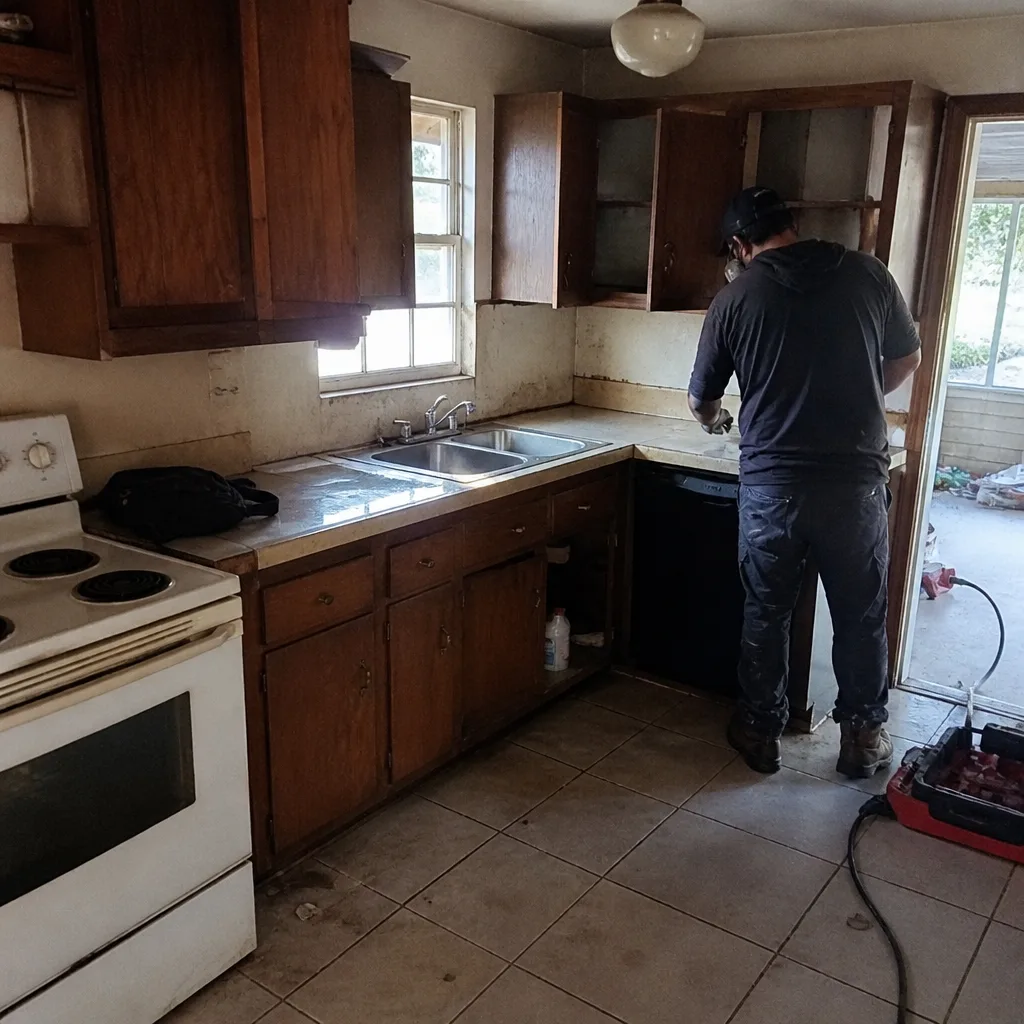 Before
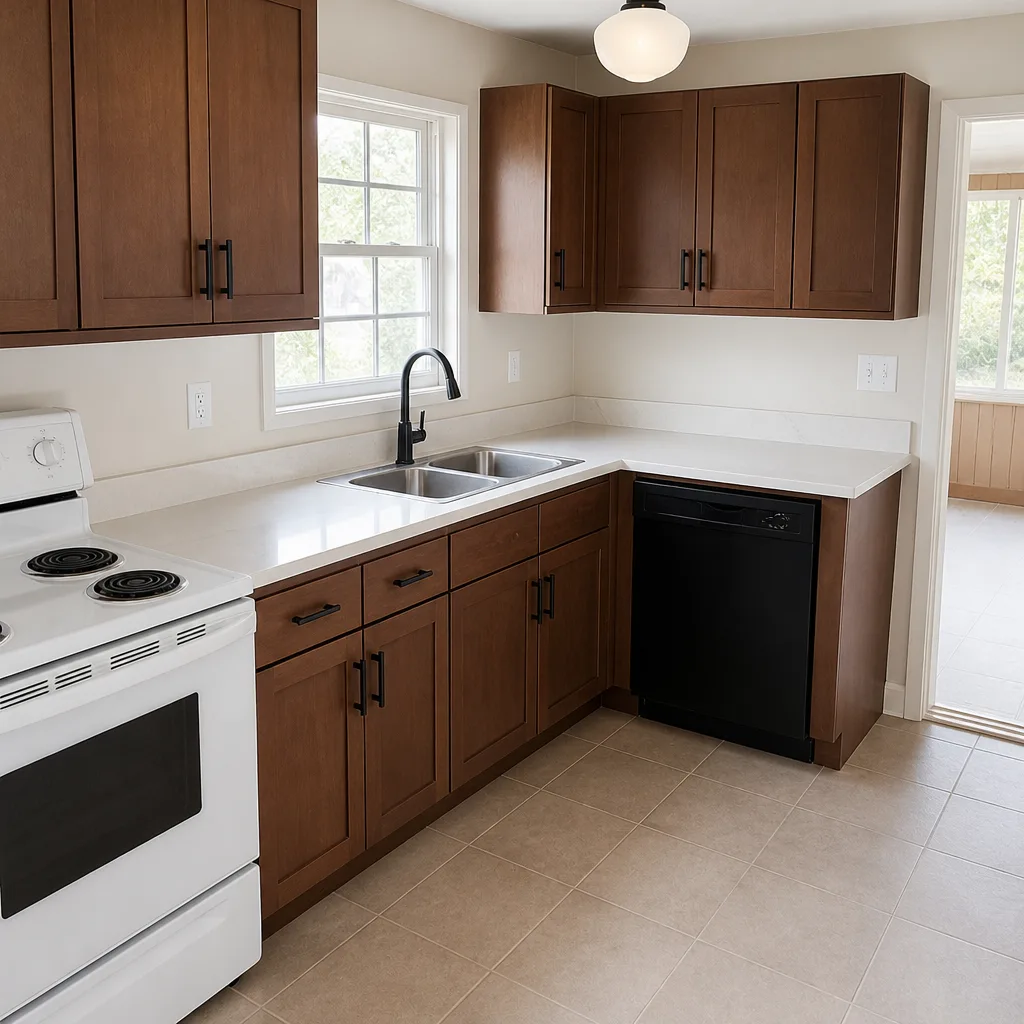 After
When to Call a Professional
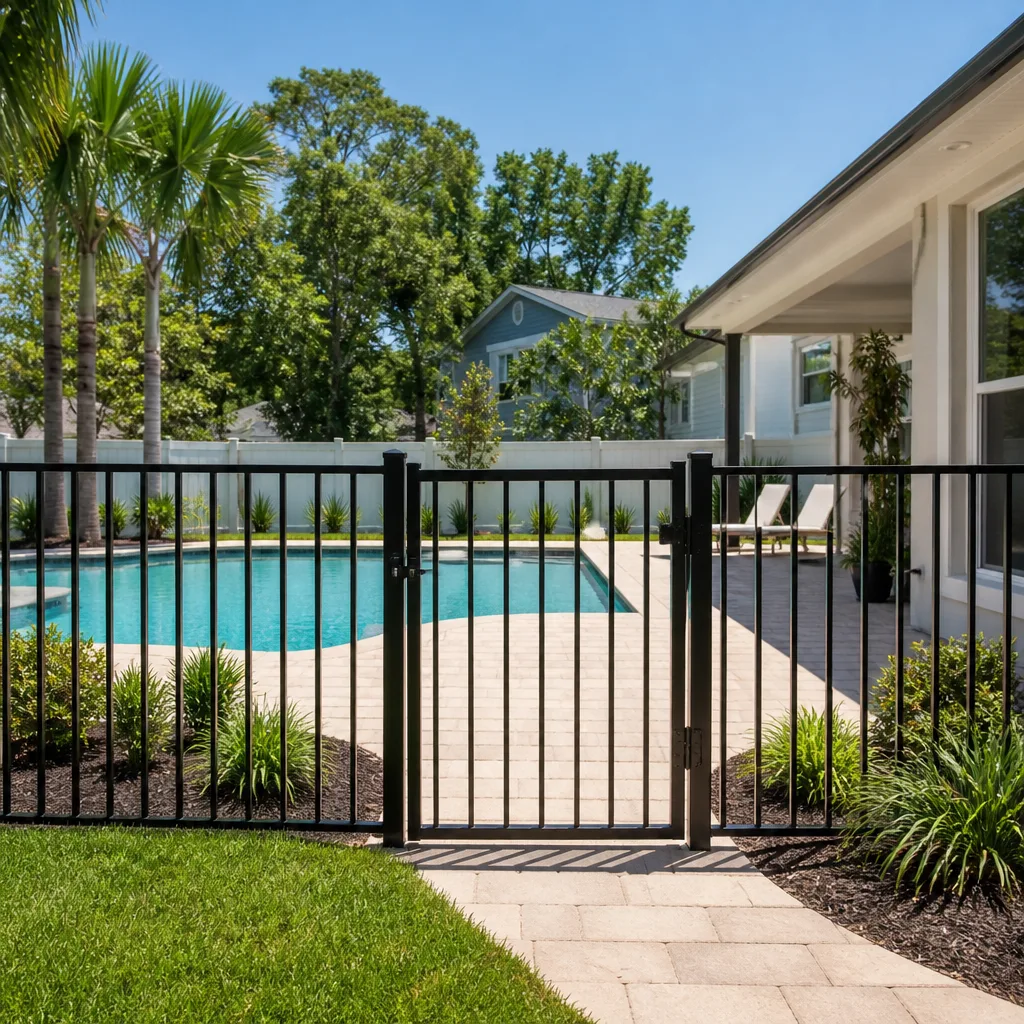
Call a professional when the project requires a permit, touches the envelope, involves a licensed trade, or rests on the clay. That covers additions, ADUs, roofs, windows, driveways, and most fences. It covers any job a buyer’s inspector will ask about. It also covers the jobs where the material specification is doing real work, like stone surfaces from Cambria, Silestone, or Caesarstone and cabinet builds from KraftMaid or Wellborn, because a spec error there is expensive to undo.
Construction Richardson offers free estimates in Richardson. One contractor from permit to punch list means structural and cosmetic work both stay under one accountable roof, and our technicians have up to 12 years of experience to bring to the job. Call (844) 320-6637. We answer 24/7. Fast dispatch from 7am to 7pm, Sunday through Friday. Written line-item quotes, fixed pricing with no change orders, and permits pulled and inspections passed.
Frequently Asked Questions
You likely need to confirm the setback and height rules with the city’s building department before installing a fence, because the requirements vary by lot and location. Call the building department with your address and they’ll tell you exactly what applies. Once you know the rule, call (844) 320-6637 for a free estimate on the installation itself.
Yes, it usually does, because it becomes a disclosure item and forces a negotiation at sale. Buyers and their agents read the permit history, and an unpermitted structure either stalls the deal or costs you a credit. Pulling the permits up front protects the number. Call (844) 320-6637 to plan a permitted project from the start.
You can, but the clay makes it a harder job than it looks, because post depth and backfill have to be right or the fence will lean within a season. A footing that ignores clay movement fails quietly. Call (844) 320-6637 to get a professional installation quoted for your lot.
In most cases yes, because manufacturer warranties on roofing systems and window products are tied to installation by a professional in the manufacturer’s channel. A homeowner install usually loses the coverage. We install GAF, CertainTeed, and Owens Corning roofing systems and PGT and CGI windows, and the warranty travels with the installed system. Call (844) 320-6637 for an estimate.
The biggest risk is discovering the compliance problem after the work is finished, when opening walls or rebuilding costs more than doing it right the first time. The fix can also reset your timeline at the worst possible moment. Call (844) 320-6637 to have the permitting handled up front.
DIY is cheaper on paper for cosmetic, non-permitted work, but the comparison flips once you add redo risk, permit exposure, and lost warranty coverage. The honest comparison is material plus time plus the realistic probability of a redo. Call (844) 320-6637 for a free written estimate and see the number side by side.
The Bottom Line
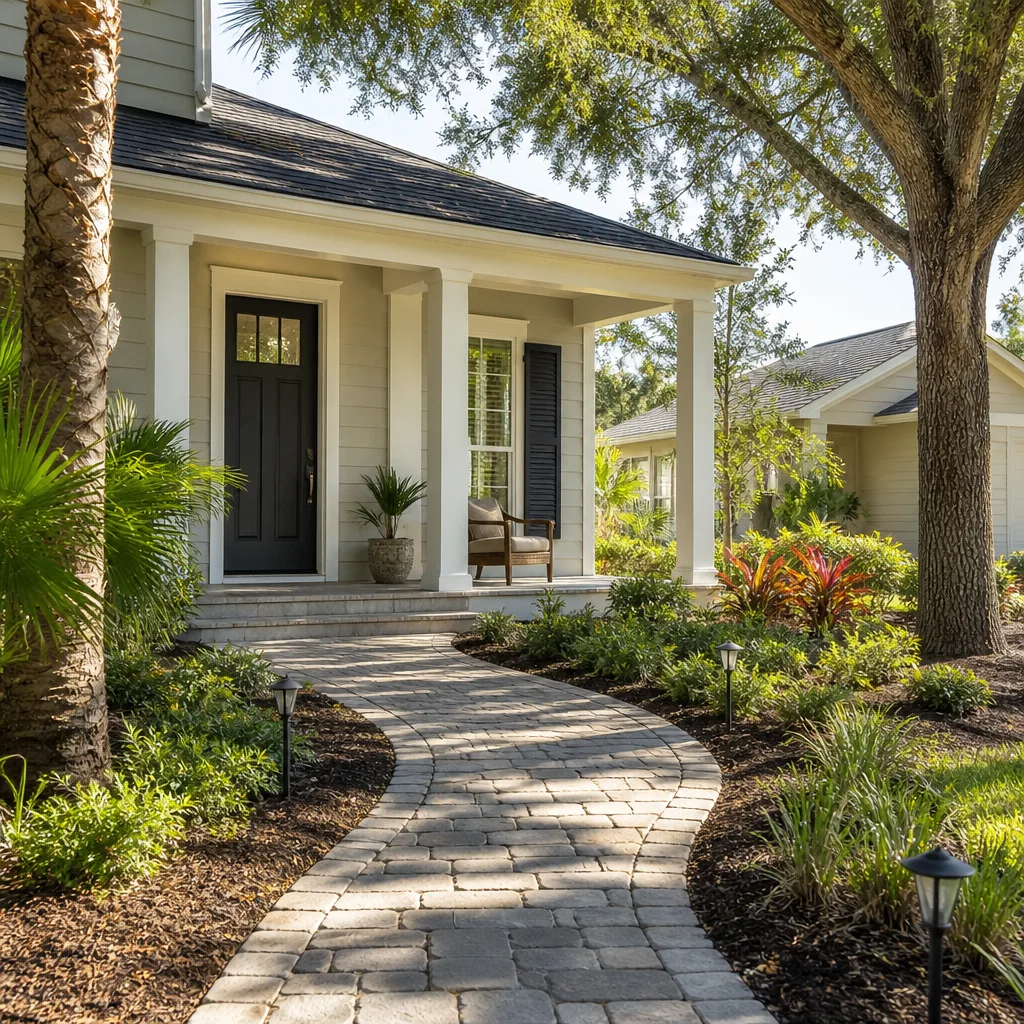
The DIY-versus-hire question in Richardson isn’t about skill. It’s about risk. Cosmetic, reversible, unpermitted work belongs in your hands. Permitted structural work, envelope work, licensed trades, and anything set into the clay belongs with a professional, because the permit record, the material warranty, and the inspection are what protect your resale value. Specify materials by name rather than guesswork, and keep the paperwork. Call (844) 320-6637 for a free estimate on any project on this list. We answer 24/7. Fast dispatch from 7am to 7pm, Sunday through Friday. If you’re planning the exterior first, start with a look at our driveway & pavers work and see how the base prep gets specified.
Written by the team at Construction Richardson.