
Last updated November 17, 2026







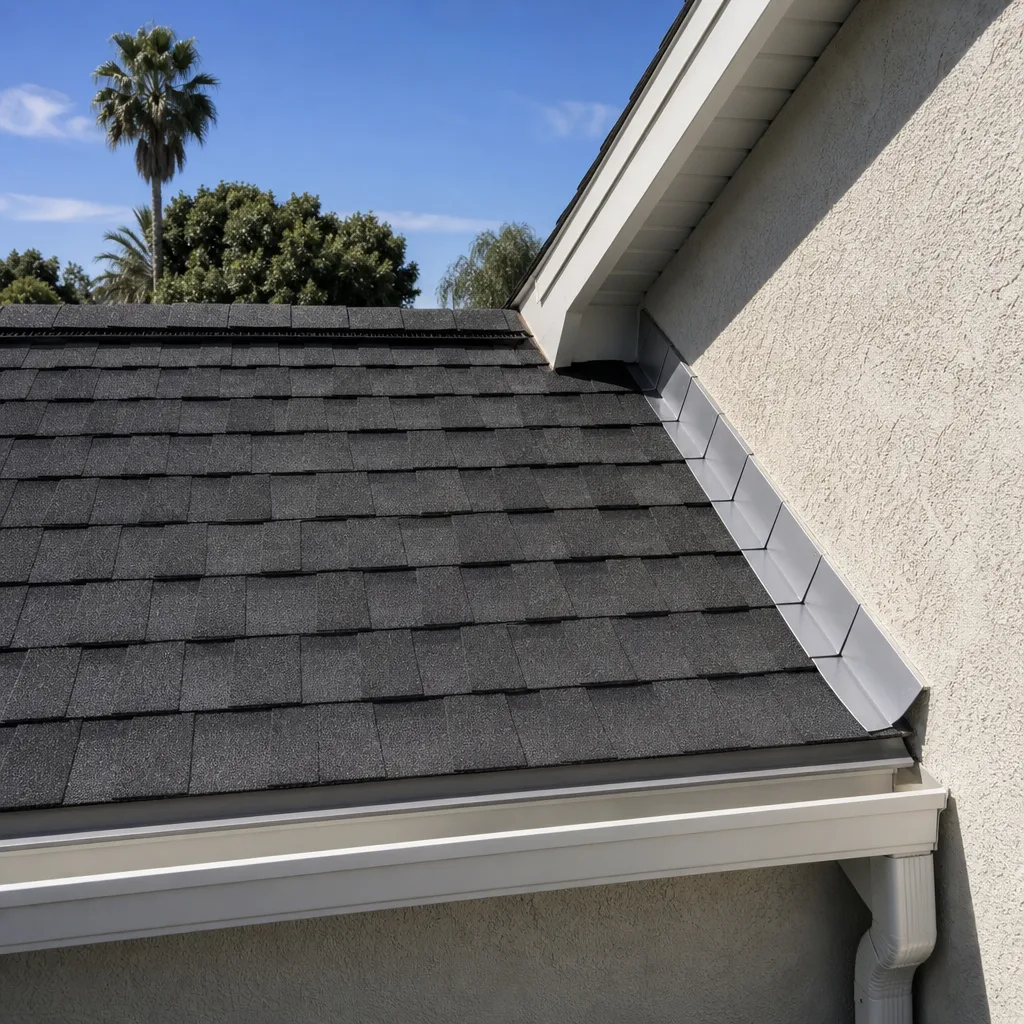
Free written scope consultation - allowances, timeline, and change-order rules on paper before a single trade is scheduled
How to Hire a Construction Contractor in Richardson: A Step-by-Step Guide
The most expensive mistake Richardson homeowners make isn’t hiring the wrong contractor. It’s signing a contract with an incomplete scope of work. A bid that leaves the demolition language vague, omits soil prep under the pavers, or skips the permit line entirely can turn a $40,000 addition into a $58,000 addition through change orders that were entirely preventable. Every one of those add-ons was a legitimate cost. None of them should have been a surprise.
This guide is built for homeowners planning a real project in Richardson, not a television remodel. We’ll walk through the five documents to request before anyone sets foot on your property, how to read a bid for scope completeness, the Richardson-specific red flags we see most often, and an interview framework that tells you in one conversation whether a contractor has done this before.
Quick Answer
To hire a construction contractor in Richardson, verify their insurance and registration documents first, then compare at least three written bids line by line rather than by total price. The right contractor pulls their own permits, specifies materials by name, writes soil prep and demolition into the scope, and gives you one point of accountability from permit to punch list. Price is the last thing you should compare, not the first.
Styles & brands we work with
- Kitchen remodeling
- Bathroom remodeling
- Home additions & ADU
- Roofing
- Windows & doors
- Driveway & pavers
- Fence
Table of Contents
- What Documents Should You Request Before Hiring a Contractor in Richardson?
- How Do You Read a Bid for Scope Completeness?
- What Are the Richardson-Specific Red Flags?
- Single-Source vs. Multi-Sub: How Do the Models Differ?
- What Should You Ask in a Contractor Interview?
- What Belongs in the Contract Itself?
- How Should the Payment Schedule Be Structured?
- How Do Permits and Inspections Work in Richardson?
- Common Mistakes to Avoid
- When to Call a Professional
- Frequently Asked Questions
What Documents Should You Request Before Hiring a Contractor in Richardson?
Request five documents before a contractor walks your property: general liability insurance, workers’ compensation coverage, their state registration or assumed name filing, a sample written contract, and a certificate of insurance naming you as certificate holder. A professional produces all five without hesitation. Anyone who stalls on the insurance certificate is telling you something important about how they operate.
Texas doesn’t issue a single statewide general contractor license for residential construction the way some states do, which is exactly why the paperwork matters more here than elsewhere. The documents do the work a license would otherwise do: they prove the contractor carries real coverage, operates under a registered business name, and has a written process rather than a handshake.
- General liability insurance certificate. Ask for the certificate directly from the insurance agent, not a photocopy. It should list the contractor’s legal business name and a coverage limit appropriate to your project size.
- Workers’ compensation certificate. If a worker is injured on your property and the contractor has no coverage, the liability question can land on you as the property owner. Ask for the certificate, not a verbal assurance.
- State registration or assumed name filing. In Texas, a contractor operating under a business name other than their legal name files an assumed name certificate with the county. Ask to see it and match the name on it to the name on the insurance and the contract.
- A sample written contract. Ask for a sample from a past project with the client information removed. You’re reading it for structure: does it list scope, exclusions, change-order process, and payment schedule in writing?
- A certificate of insurance naming you as certificate holder. This confirms you’ll be notified if the policy lapses mid-project. It’s a small request that separates organized contractors from disorganized ones.
None of this takes long if the contractor is set up properly. If verifying coverage takes a week of back-and-forth, that’s a preview of how the project will run. Richardson projects move on schedules, and the paperwork habits you see at the start are the same ones you’ll live with at the end.
How Do You Read a Bid for Scope Completeness?
Read a bid by counting what’s missing, not by comparing the bottom line. A complete bid breaks the project into line items with quantities, brand names, and unit prices, then states what the price excludes. A placeholder bid gives you one number for “kitchen remodel” and leaves the method to your imagination. The gap between those two documents is where change orders are born.
Here’s what a complete bid line looks like, using a paver driveway as an example. It states the square footage, names the base material and compaction method, identifies Belgard or Techo-Bloc or Unilock as the paver line with a specific product and color, lists edge restraint, and states whether the existing surface is removed and hauled or overlaid. That last detail alone can swing the project by thousands, and it should never be a discovery after signing.
- Demolition language. “Remove existing” is not a scope. A real bid says what is removed, how far it is hauled, what is protected, and whether dumpster costs are included.
- Soil prep and base compaction. For any hardscape, driveway, or addition slab in Richardson, base prep is a real cost line. Pressure-treated, this is the item contractors quietly omit to make their number look better, then add later as an unavoidable change order.
- Named materials with brand and product line. “Premium cabinets” means nothing. KraftMaid or Wellborn means something you can price, warranty, and specify. The same applies to stone surfaces, roofing systems, and windows.
- Permit responsibility. The bid should state plainly who pulls the permit and who pays the permit fee. If it’s silent, assume you’re pulling it and owning the inspection process.
- Exclusions stated up front. A professional bid tells you what it does not cover: landscaping restoration, painting after drywall repair, moving furniture, temporary power.
- Allowances with real numbers. If the bid carries a lighting allowance, it needs a dollar figure and a stated adjustment process, not a vague “by owner.”
- Timeline with milestones. Not just a start date and end date, but the sequence: demo, rough-in inspections, drywall, cabinets, finish.
When you place three bids side by side in this format, the comparison becomes almost mechanical. The lowest number usually becomes the highest once you write the missing lines back in, and now you can see exactly where the difference lives.
What Are the Richardson-Specific Red Flags?
The clearest red flag in Richardson is a contractor who asks you to pull the permit in your own name. It sounds like a helpful shortcut. What it actually means is that the contractor is either not set up to work with the city permit office or doesn’t want the inspection record tied to their work. Either way, the liability for compliance lands on you.
Permits aren’t paperwork theater in a city built and rebuilt over decades. Richardson has established neighborhoods where builders added onto homes, converted garages, and enclosed patios, and a permit process is often the only reliable way to learn what’s actually underneath. A contractor who knows the Richardson permit office treats it as a planning tool, not an obstacle.
- No permit line in the bid. Structural work, additions, ADUs, roofing, window replacement, and fence installation all typically involve permits or inspection at some level. Ask directly who pulls it.
- Missing soil prep under hardscape. Driveway and paver bids that skip base prep, excavation, or compaction are pricing a job that won’t survive North Texas clay movement. Ask what happens if the subgrade is unstable. A contractor who pauses before answering hasn’t thought about it.
- Vague demo language. “Demo to be determined” or “remove as needed” means the demolition cost is open-ended. Get it fixed in writing before signing.
- Cash-only and no contract. A written contract protects both parties. Walking away from a contractor who won’t sign one is the cheapest decision you’ll make on the project.
- Verbal-only change orders. Any change should be written, priced, and signed before the work proceeds. Richardson projects hit surprises – that’s normal – and the change-order process is what keeps a surprise from becoming a dispute.
- A single number with no breakdown. If you can’t tell how much of the bid is labor, materials, and permits, you can’t compare it to anything.
We’ve seen Richardson homeowners lose weeks to a contractor who was “waiting on the city” when no permit application had ever been filed. Checking that the application exists is a five-minute phone call to the city permit office, and it tells you immediately whether the timeline is real.
Single-Source vs. Multi-Sub: How Do the Models Differ?
In a single-source model, one contractor holds the contract for the whole project and manages every trade under it: framing, roofing, cabinet installation, plumbing rough-in, hardscape. In a multi-sub model, you hold separate contracts with each specialty trade and coordinate between them. The scope of the work is identical. The difference is where the accountability sits when something goes wrong.
Multi-sub contracts can look cheaper up front because you’re comparison-shopping each trade’s best price. The hidden cost is coordination. Every handoff between trades – the framer finishing before the roofer starts, the plumber roughing in before drywall closes – is a place where a schedule slip becomes your problem to solve. If the cabinet delivery is late and the countertop template can’t be scheduled, that phone call lands on you in a multi-sub model and on the general contractor in a single-source model.
Single-source construction complicates the picture in one honest way: you’re paying for management, and the number reflects it. What you get back is one schedule, one point of contact, one warranty covering the assembly rather than a dozen separate warranties that each disclaim the others’ work. When a window leaks and the question is whether it’s the window install or the flashing above it, a single-source contractor can’t tell you to call someone else.
Payment structure differs along the same lines. Multi-sub typically means deposits to each trade on its own schedule, which means several deposits out before a single nail is driven. Single-source means one payment schedule tied to project milestones, which keeps your leverage concentrated where it belongs. We handle structural and cosmetic work under one contract, from roofing and additions down to driveway & pavers, precisely because the handoffs between those trades are where projects lose time and money.
Neither model is wrong. What’s wrong is entering a multi-sub project without accepting that you’ve just become the general contractor, with a general contractor’s scheduling and sequencing job, unpaid.
What Should You Ask in a Contractor Interview?
Ask about materials by name, subcontractor relationships, and the permit timeline in that order. The first question tells you whether they specify or guess. The second tells you how much of the work is done by people they control. The third tells you whether they’ve actually worked with the Richardson permit office or are planning to learn on your project.
Here’s the question set we’d want a homeowner to run us through. These are open questions, and the answers should be specific. A contractor who answers these fluently has done this before; one who deflects is giving you the most useful information of the interview.
- “Which manufacturer’s product line do you recommend for the roof, and why that line over the alternatives?” Roofing systems from GAF, CertainTeed, and Owens Corning carry different warranty structures. A contractor who can’t name a system has no spec to build to.
- “Which cabinet and stone brands can you source directly?” If the answer is KraftMaid and Wellborn, and Cambria, Silestone, and Caesarstone, you have real options. If the answer is “whatever’s available,” you’re getting a middleman, not a specifying contractor.
- “Who does your plumbing and electrical rough-in, and are they your own subs or people you hire per job?” This tells you whether the trades on your project have a working relationship with the general contractor or are meeting on your site for the first time.
- “Will you pull the permit, and who do I call if an inspection fails?” The answer to the second half reveals whether the contractor owns the execution or plans to have you push it along.
- “What does your change order process look like in writing?” Ask to see the form. If there isn’t one, there isn’t a process.
- “Which line items in your bid are allowances, and what happens when we go over?” A straight answer here builds more trust than a competitive total.
- “What’s your scope exclusion list?” Every bid excludes something. A contractor who names their exclusions up front is being honest, not hiding.
One question that almost never gets asked: “What’s the biggest surprise you’ve hit on a project like this, and how was it handled?” The answer tells you more about the contractor’s process than any list of past clients. Every experienced contractor has one. The way they describe the fix, and whether they describe it without blaming the homeowner, is the interview.
What Belongs in the Contract Itself?
The contract should restate everything the bid established and add the machinery for managing change. At minimum it names the parties and their legal business names, describes the scope by line item, states the price and payment schedule, defines the change-order process, sets the timeline with milestones, addresses warranty terms and who holds them, and specifies how disputes get handled.
The scope and the bid should match line for line. If the bid named Belgard pavers and the contract says “pavers,” you’ve lost specification somewhere between the two documents. Ask for the contract scope to mirror the bid exactly, brand names and product lines included. This is the document a contractor will point to if a dispute arises, so it needs to be complete before you sign it.
- Legal names of both parties, matching the insurance certificate and the state registration filing.
- Line-item scope with brands and quantities.
- Stated exclusions and allowances with dollar figures.
- A written change-order process requiring signed approval before work proceeds.
- Payment schedule tied to milestones, not calendar dates.
- Timeline with named milestones and a stated process for weather or inspection delays.
- Warranty terms: what’s covered, for how long, and by whom – manufacturer or contractor.
- Who pulls the permit, with the permit fee itemized.
- Lien waiver language confirming subcontractors and suppliers will be paid.
- A dispute resolution clause.
Read it once slowly, then read the exclusion list twice. The exclusion list is where the contract protects the contractor from the unexpected, and if the unexpected is something you assumed was included, better to find out before signing than after demolition.
How Should the Payment Schedule Be Structured?
A payment schedule should be tied to verifiable milestones, not to dates. A common structure is a modest deposit at signing, a payment at a defined phase like rough-in inspection passed, further payments at subsequent completion points, and a final payment at punch list sign-off. Deposits large enough to fund the entire material package before any work is visible should make you ask questions.
The milestone structure matters because it keeps your leverage proportional to what’s actually been done. If you’ve paid 80 percent of the contract after framing, you have very little remaining to offer for anything that goes wrong during finish work. A schedule that holds a meaningful final payment until everything is complete, inspected, and cleaned up keeps everyone’s attention on the end of the project.
Ask for a lien waiver with each payment. It confirms that the subcontractors and material suppliers working on your house have been paid, and it protects you from a mechanics lien filed against your property by someone the contractor didn’t pay. This is standard practice on commercial projects and should be standard on yours. If the contractor looks confused by the request, that’s a data point about their project accounting.
The final payment should also be contingent on the final inspection passing and a punch list being completed in writing. Sign off only when the list is actually done. Not “mostly done.” Done, and in writing.
How Do Permits and Inspections Work in Richardson?
The contractor should pull the permit, hold it in their name, and schedule the inspections. When the permit is in the contractor’s name, the inspection record reflects their work, which is one of the strongest quality checks you have. You can verify with the city that a permit application has actually been filed before the work begins, and you should.
Permit scope varies by project. Additions and ADUs involve the most scrutiny – structural, electrical, plumbing, mechanical. Roofing permits are sometimes required and sometimes not, depending on the scope and the city’s current filing criteria. Fence installation often has property-line and height considerations. Windows and doors have their own code requirements, particularly when the product is impact-rated. For any of these, the question to ask is not “do I need a permit?” but “will you pull the permit and who pays the fee?” The answer belongs in the bid.
Inspections happen on the city’s schedule. A contractor with experience in Richardson knows the typical lag between inspection request and inspection date and builds it into the timeline. When the schedule slips, the question to ask is whether the lag was anticipated or not. If the inspection dependency was never in the plan, the contractor is running reactive rather than proactive, and the delay will land again at the next inspection phase.
Permit records are also useful to you after the project is done. If you ever sell the home, a complete permit and inspection record on structural work is a documentation asset. A project that skips permits leaves you with work that’s technically non-conforming, which is a disclosure problem and sometimes a financing problem.
For a full walkthrough of how additions and ADUs move through the process, see our guide on home additions & ADU.
Common Mistakes to Avoid
- Comparing bids on total price alone. Two bids with the same total can describe entirely different amounts of work. Compare line by line and add the missing lines to both. Only then does the total mean anything.
- Letting the contractor talk you into a homeowner-pulled permit. It shifts inspection liability to you and removes the contractor’s obligation to stand behind the permit record. If the contractor won’t pull the permit, that’s the whole answer.
- Accepting verbal change orders. The most common source of contractor disputes is a change agreed to by phone and priced by memory. Insist on a written, signed change order before any extra work begins, no matter how small.
- Skipping the lien waiver. Richardson homeowners who pay the contractor but discover a materials supplier was never paid end up defending a lien on their own property. Ask for waivers with each payment.
- Assuming soil prep is included. On any hardscape or slab project, base prep and compaction should be an explicit line in the bid. If it isn’t there, get it in writing before signing.
- Hiring before seeing a sample contract and a certificate of insurance. Both are free to produce and take minutes to provide. A contractor who can’t provide them can’t provide the job either.
- Paying a deposit before a written scope exists. Never hand over a check for a project where the scope, timeline, and payment schedule aren’t yet on paper. Sign first, then pay.
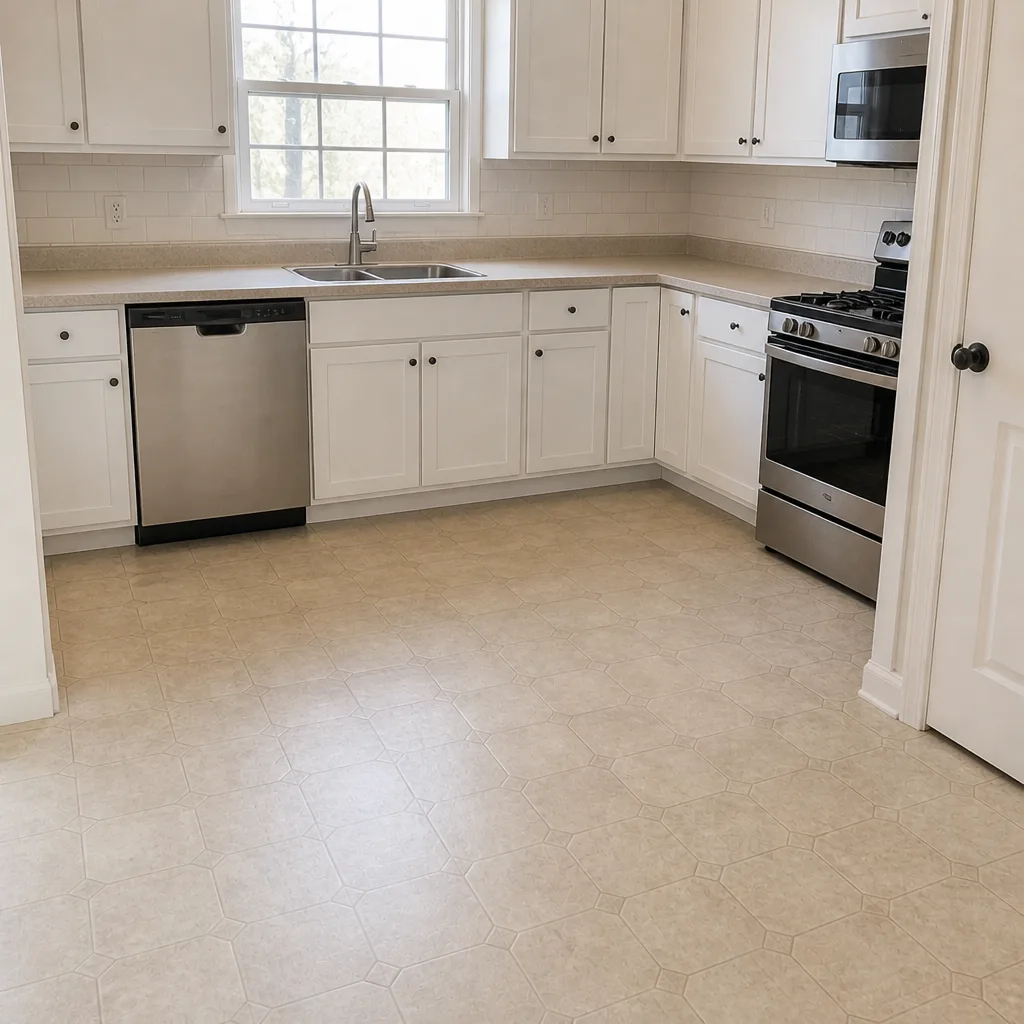
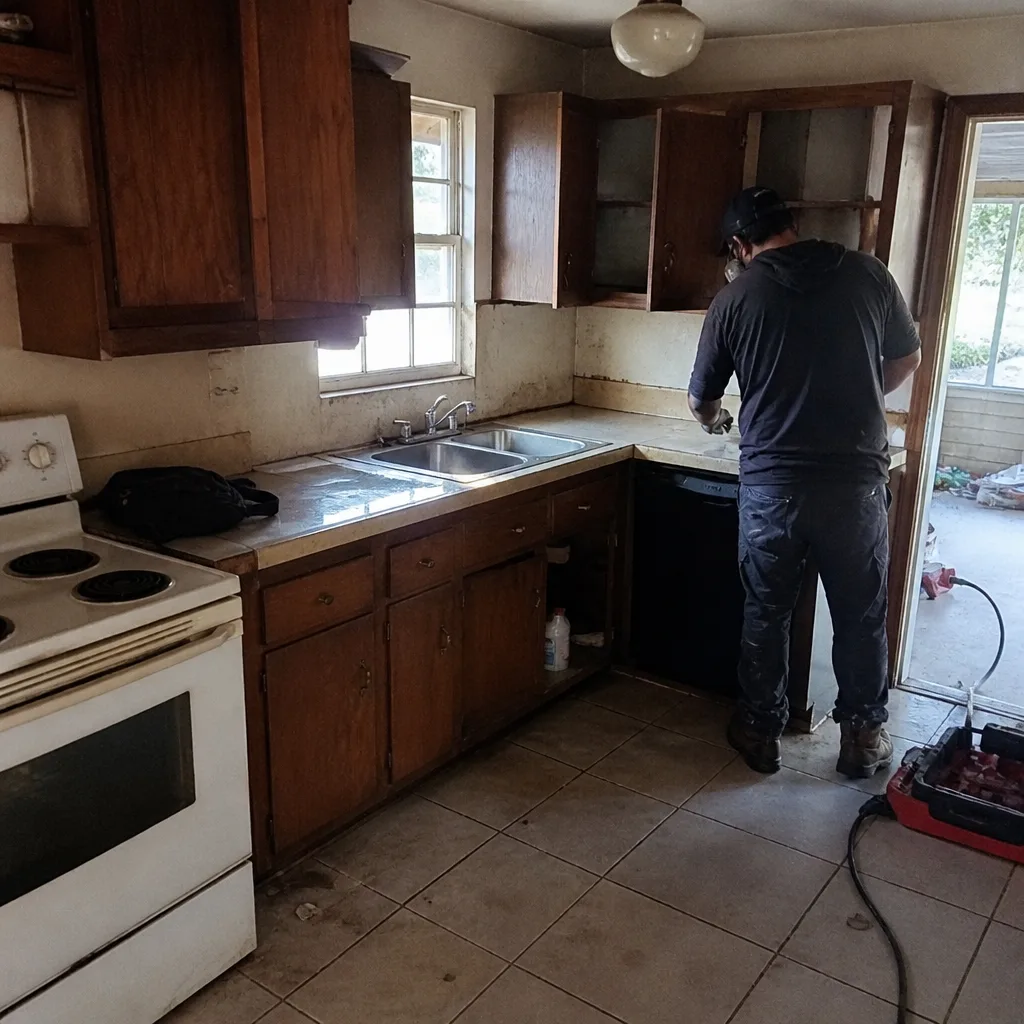
See the difference
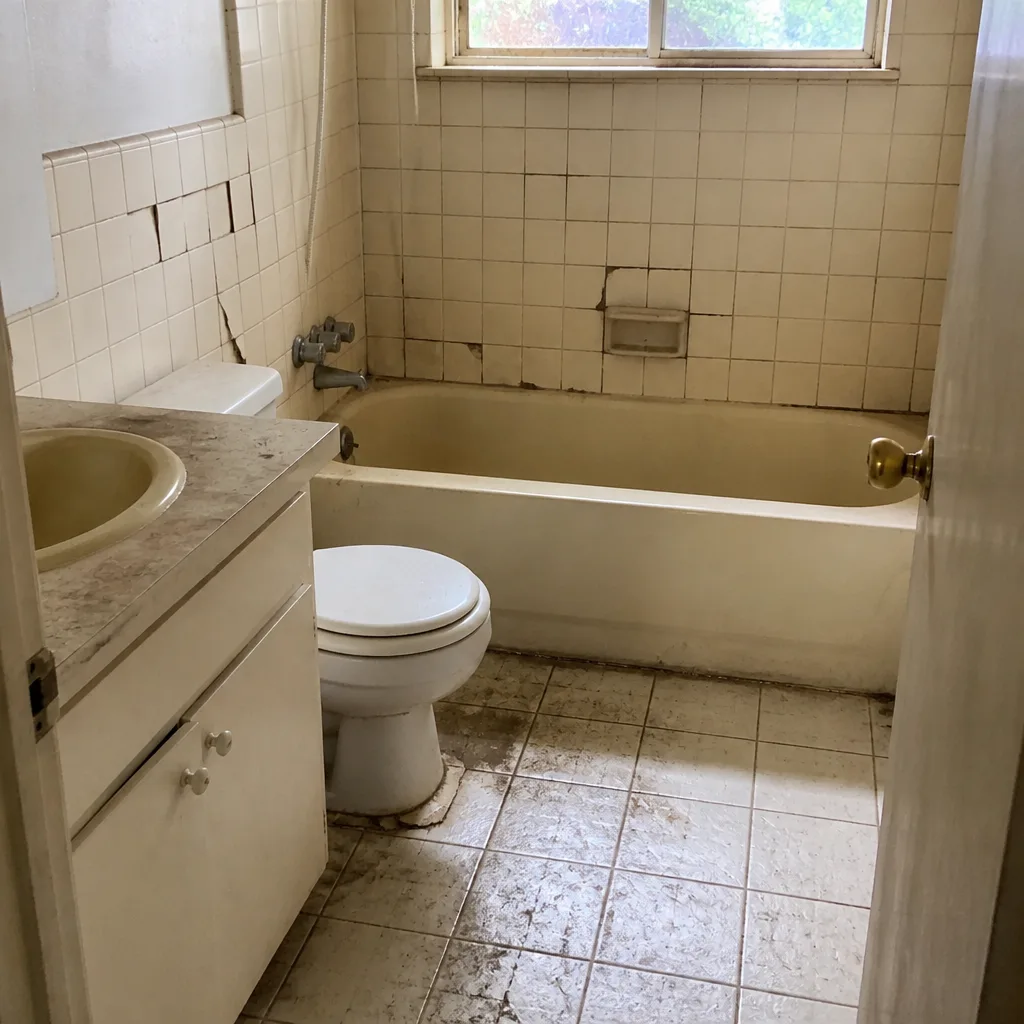 Before
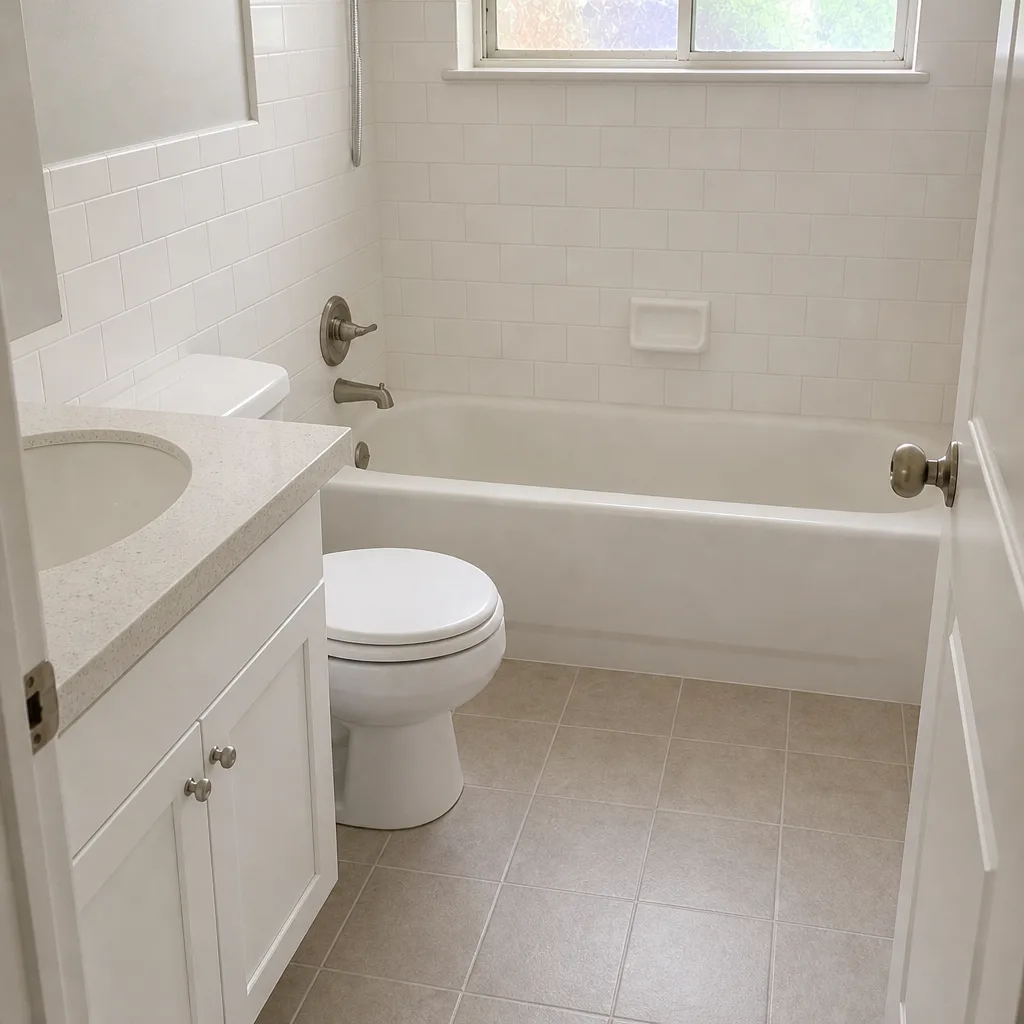 After
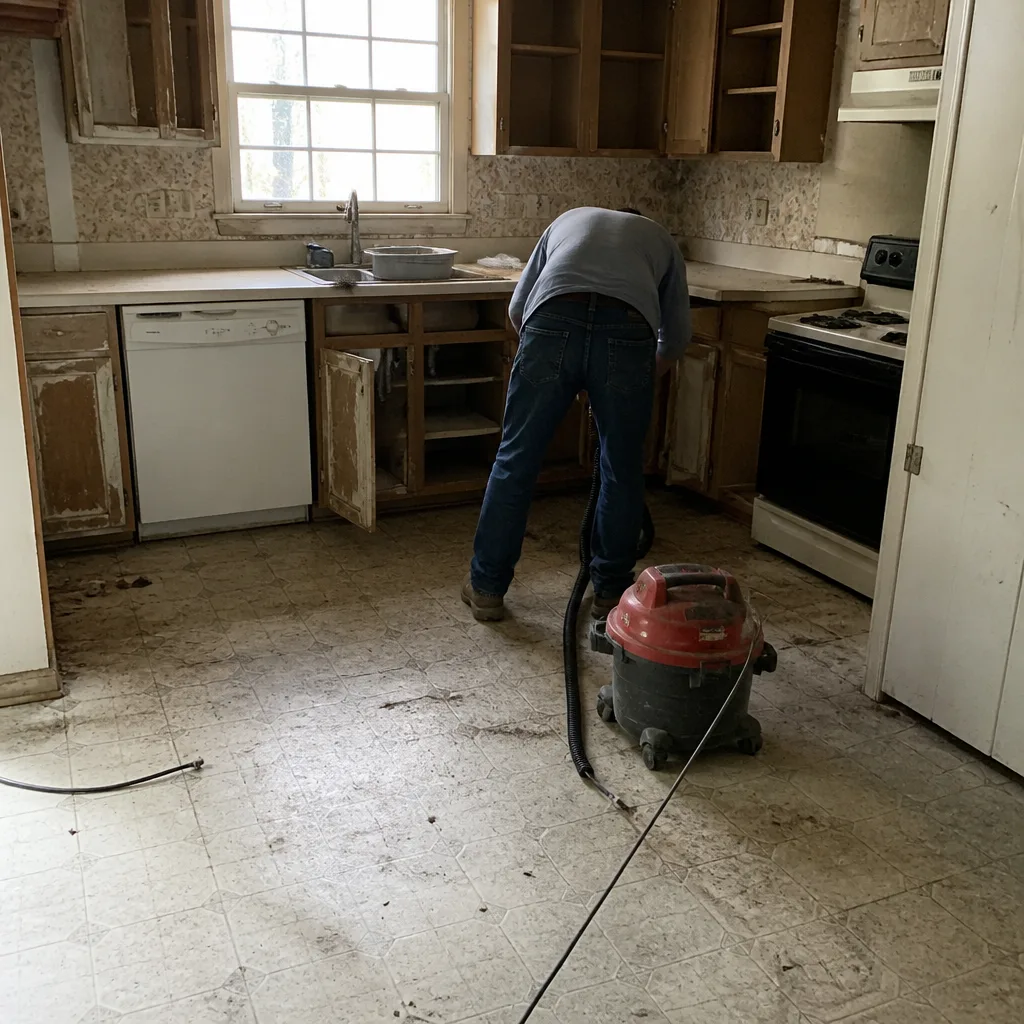 Before
 After
 Before
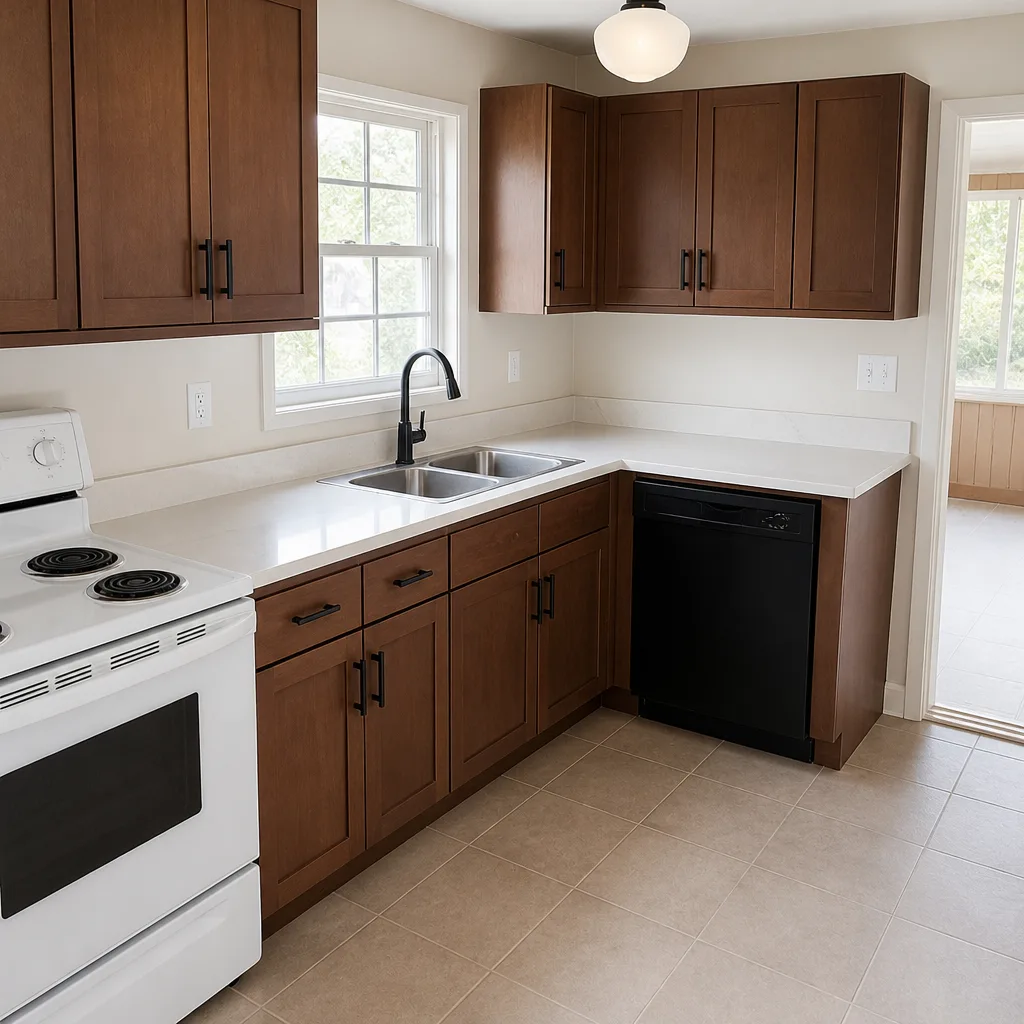 After
When to Call a Professional

Call a professional when the project touches structure, permits, or systems you can’t verify with a visual inspection. That covers additions, ADUs, structural changes, roofing, window replacement, and any work where the permit record matters. It also covers any project where a written scope and warranty carry more weight than saving on labor, because those are the parts of a build that cost the most to fix later.
There’s also a simple case for calling when the scope has become a list of unknowns. If you know you want a larger kitchen but you don’t know whether the wall is load-bearing, or you want to price a driveway but you don’t know what the subgrade looks like, those are the moments to bring in a contractor who specifies by name and writes the scope in detail. Construction Richardson offers free estimates in Richardson – call (844) 320-6637. We answer 24/7. Fast dispatch from 7am to 7pm, Sunday through Friday.
Frequently Asked Questions
There’s no fixed number, but a deposit should be modest and tied to a written scope and contract signature. Deposits large enough to pay for the entire material package before any work is visible should make you ask questions. The right structure is a reasonable deposit, milestone payments, and a meaningful final payment held until the punch list is complete. Call (844) 320-6637 for a free estimate and a written payment schedule.
Most structural work, additions, ADUs, and roofing typically require permits, and fence and window work often has code requirements depending on scope. The reliable answer is to ask the contractor who pulls the permit and gets it in writing. You can also call the Richardson permit office directly to confirm the project’s permit status before work begins. Call (844) 320-6637 and we’ll walk you through what your specific project needs.
Compare them line by line, not by total. Put each bid’s items side by side, then write in the missing lines: soil prep, permit fee, demolition detail, named material brands, allowances, exclusions. The lowest total usually becomes the highest once the missing scope is priced back in. A contractor who can’t produce a line-item bid isn’t giving you a comparison point. Call (844) 320-6637 for a free written estimate.
A single-source contractor holds one contract for the whole project and manages every trade under it, including structural and cosmetic work. A general contractor may hold the contract but subcontract all the trades. In practice, both can work well; the question is whether one party owns the sequence and the finish. We handle roofing, remodeling, additions, windows, fencing, and hardscape under one contract. Call (844) 320-6637 to talk through your project.
Ask for brand names and product lines by category: roofing systems, cabinet lines, stone surfaces, plumbing fixtures, window and door manufacturers, and hardscape systems. A contractor who specifies KraftMaid and Wellborn cabinets or GAF, CertainTeed, and Owens Corning roofing systems is specifying by name, not by guesswork. If the bid says “premium” and “upgraded,” ask for the brand. Call (844) 320-6637 for a free estimate with materials named.
It can, and it should only change through written change orders that you sign before the work is done. That’s why the scope, exclusions, and allowances need to be complete before you sign. A missing soil prep line or an undefined demo scope becomes a change order later; a complete bid prevents most of it. Call (844) 320-6637 for a free written estimate that states its scope and exclusions up front.
Timelines vary widely: a fence installation typically runs days, hardscape work weeks, and additions or ADUs months. The right question is whether the contractor’s timeline names milestones and anticipates inspection lag. A contractor who knows the Richardson permit office builds that lag into the plan. Call (844) 320-6637 for a free estimate and a milestone-based timeline.
Yes, and it often simplifies the project. One contractor for structural, envelope, and finish work means one schedule, one point of contact, and one warranty covering the assembly rather than a dozen separate trade warranties. At Construction Richardson, structural or cosmetic, we handle both, which is the point of the model. Call (844) 320-6637 to schedule your free estimate.
The Bottom Line
Hiring a contractor in Richardson comes down to verifying the paperwork, reading the bid for scope completeness rather than price, and asking the questions that separate a specifying contractor from a guessing one. Request the five documents, compare bids line by line, insist on written change orders, keep the final payment tied to punch list completion, and confirm the contractor pulls the permit in their own name. Do those things and the project starts on the right foot; skip them and the change orders will show up regardless. For a free estimate with a written scope and materials named, call (844) 320-6637. We answer 24/7. Fast dispatch from 7am to 7pm, Sunday through Friday.
Written by the team at Construction Richardson.